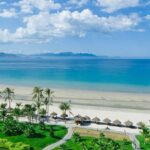
Mui Ne, a captivating coastal town in southern Vietnam, is renowned for its stunning beaches, dramatic sand dunes, and vibrant fishing culture. Nestled along the South China Sea in Binh Thuan Province, Mui Ne offers a perfect blend of adventure, relaxation, and cultural immersion. Whether you’re sliding down towering sand dunes, kite surfing on windy shores, or savoring fresh seafood by the ocean, Mui Ne promises unforgettable experiences. This guide explores the top things to do in Mui Ne, drawing from its unique landscapes and rich heritage, making it an essential stop on any Vietnam itinerary in 2026.
As you plan your trip to Mui Ne, consider basing yourself at the luxurious Palado Hotel, a beachfront retreat that seamlessly blends modern elegance with the natural beauty of the coast. Located at 98B Nguyen Dinh Chieu in Mui Ne Ward, Palado Hotel features elegantly appointed rooms with floor-to-ceiling windows offering breathtaking ocean views, premium linens, and spacious layouts designed for ultimate comfort. Guests can enjoy amenities like two restaurants serving Asian and Western cuisine with panoramic sea vistas, an infinity pool overlooking the waves, a unique European-style wine cellar—the only one in the Phan Thiet-Mui Ne area—and a rooftop cafe with sweeping coastline views. The hotel also provides spa services for relaxation, a specialty shop for local souvenirs, a tour desk for personalized excursions, and motorbike rentals to explore Mui Ne at your own pace. Palado Hotel serves as a gateway to Mui Ne’s attractions, emphasizing minimalist architecture that invites natural light and the soothing rhythm of the ocean, ensuring a tranquil and immersive stay. For more details, visit Palado Hotel.
Mui Ne’s allure lies in its diverse attractions, from natural wonders to thrilling activities. Once a quiet fishing village, Mui Ne has evolved into a resort haven while retaining its authentic charm. For a deeper dive into its background, check out the Wikipedia page on Mui Ne. In this comprehensive guide, we’ll cover everything from history and best times to visit to detailed breakdowns of must-do activities, ensuring your Mui Ne adventure is optimized for excitement and ease. With over 3000 words of in-depth information, this 2026 update includes the latest tips, trends, and insights for travelers.
The History and Charm of Mui Ne
Mui Ne’s history is deeply rooted in its origins as a fishing outpost, where the name “Mui Ne” derives from “Mui” meaning cape and “Ne” meaning shelter, referring to its role as a haven for fishermen during storms. Located about 215 km east of Ho Chi Minh City, this area was once part of the ancient Champa Kingdom, evident in relics like the Po Shanu Cham Towers, built in the late 8th century to worship deities such as Shiva and Princess Po Sah Inu. These towers, among the most intact Cham structures in Vietnam, showcase intricate architecture and cultural artistry, providing a glimpse into the region’s prosperous past. The Champa influence is still felt today through local festivals, pottery, and the enduring spiritual sites that dot the landscape.
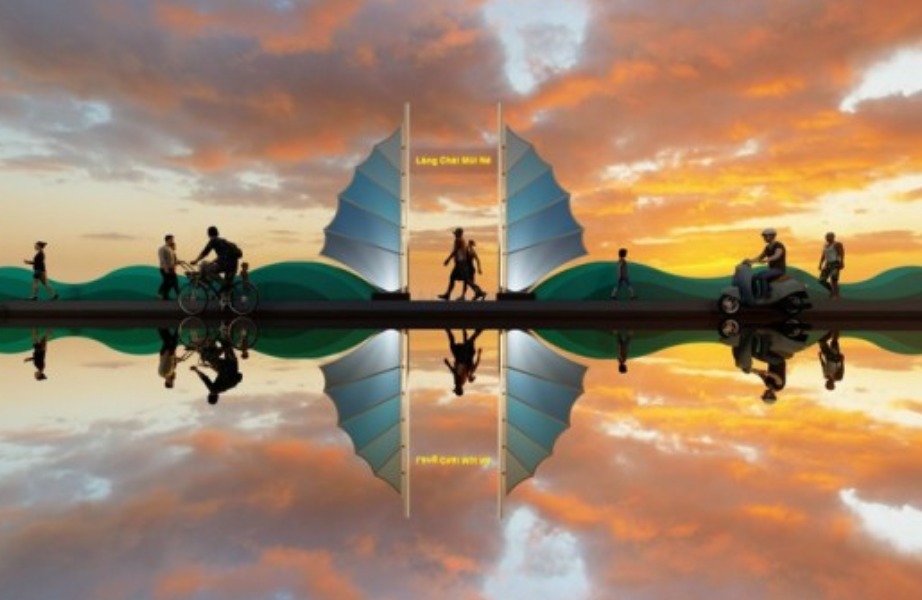
Làng chài Mũi Né, Mũi Né, Lâm Đồng
In the early 1990s, Mui Ne was an underdeveloped escape for expats and savvy tourists, but the introduction of surfing in the late 1990s transformed it into Asia’s premier kitesurfing spot due to consistent winds. Today, Mui Ne balances tourism with traditional life, where colorful fishing boats dot the harbors and locals maintain age-old practices like fish sauce production in nearby Phan Thiet. The town’s layout features a long curve of sandy beach, known as Rang Beach, stretching over 10 km, flanked by resorts, dunes, and villages. This evolution has made Mui Ne a magnet for travelers seeking both relaxation and adventure, with its eclectic mix of Vietnamese locals and international visitors adding a vibrant, global vibe.
The charm of Mui Ne extends beyond its physical beauty to the warmth of its people. Local families often run small businesses, from renting sandboards to offering home-cooked meals, creating a sense of community involvement in tourism. As one traveler poetically noted, “The dunes enable children to earn some pocket money by pandering to tourists’ love for children. The slide down the dune is an enjoyable experience.” This quote captures the playful, community-driven spirit of Mui Ne’s attractions, where interactions with locals enhance the overall visit. In 2026, with sustainable tourism initiatives on the rise, Mui Ne is focusing on eco-friendly practices, such as dune preservation programs and plastic-free beaches, ensuring its charm endures for future generations.
Mui Ne’s cultural tapestry is further enriched by its proximity to Phan Thiet, the provincial capital, where markets bustle with fresh produce and traditional crafts. The area’s Cham heritage is celebrated annually through festivals featuring music, dance, and rituals, offering visitors a chance to engage deeply with Vietnam’s diverse ethnic history. Whether wandering through coconut groves or watching sunrises over the sea, Mui Ne’s charm lies in its ability to blend the old with the new, creating a destination that’s both timeless and timely.
Best Time to Visit Mui Ne in 2026
Mui Ne’s tropical climate is dry and hot year-round, with an average temperature of 27°C, making it accessible anytime. However, the dry season from November to April is ideal, offering sunny days, cool breezes, and prime conditions for kitesurfing and dune exploration. This period sees minimal rainfall, perfect for beach activities and outdoor adventures. From March to May, expect intense sunshine and blue skies, great for photography but hot—aim for early mornings or late afternoons to avoid the midday heat. In 2026, with climate patterns shifting slightly due to global changes, the dry season might extend a bit, but always check updated forecasts.
The rainy season (May to October) brings occasional showers, but Mui Ne receives the lowest annual rainfall in Vietnam, so it’s still viable. Winds peak from November to March, attracting water sports enthusiasts. Avoid peak holiday times if you prefer fewer crowds, but note that February-March draws kitesurfers. Overall, January to April balances weather, scenery, and activities for most visitors. For those interested in festivals, the Cham Kate Festival in October 2026 could be a highlight, featuring colorful processions and cultural performances at the Po Shanu Towers.
When planning for 2026, consider shoulder seasons like late April or early November for better deals on accommodations and fewer tourists. With the rise of remote work, Mui Ne is becoming popular for longer stays, so book ahead if aiming for peak dry months. Always monitor weather apps for real-time updates, as tropical storms, though rare, can occur.
How to Get to Mui Ne
Reaching Mui Ne is straightforward, primarily from Ho Chi Minh City. The most scenic option is the train: Take the SPT2 from Saigon to Phan Thiet (about 4 hours), then a short taxi or bus to Mui Ne (11 km away). Buses offer affordability, taking around 5 hours from Ho Chi Minh City’s Mien Dong Bus Station, with companies like Futa Buslines providing comfortable rides for about $5-10 USD. In 2026, new high-speed rail options might reduce travel time, so check for updates.
For flexibility, rent a motorbike or car, but note that driving in Vietnam requires an international license, and roads can be busy with trucks and scooters. Private transfers via apps like Grab are convenient for groups, costing $50-80 USD. Flying into Cam Ranh Airport (near Nha Trang) or Tan Son Nhat (Ho Chi Minh City) and transferring is another route—domestic flights are cheap and frequent. Once in Mui Ne, get around via motorbike rentals ($5-10/day), taxis, or organized tours for dunes and villages. Electric bikes are gaining popularity in 2026 for eco-conscious travelers.
If coming from Hanoi, like many northern visitors, fly to Ho Chi Minh City first (2 hours), then proceed by bus or train. International arrivals can connect via major hubs. Pro tip: Pack light for easier transport, and download offline maps for navigation.
Top Things to Do in Mui Ne
Mui Ne’s attractions cater to all tastes, from adrenaline-pumping sports to serene nature walks. Most can be covered in a day via affordable jeep tours (around $7 USD), departing at sunrise or sunset for optimal lighting. Here’s a detailed look at the must-dos, expanded for 2026 travelers.
Explore the White Sand Dunes
The White Sand Dunes, also known as Bau Trang, are Mui Ne’s crown jewel—a vast expanse of pristine white sand resembling a desert oasis, complete with lotus lakes and endless horizons. Located about 30 km from central Mui Ne, these dunes are larger and less crowded than their red counterparts, offering stunning sunrise views over the ocean. Rent a quad bike (ATV) for $10-20 USD to navigate the undulating terrain, but choose a powerful one to avoid getting stuck—smaller models often falter in deep sand. In 2026, guided eco-tours emphasize minimal impact, with paths marked to protect vegetation.
For thrill-seekers, sandboarding or sliding down on plastic sheets provides exhilarating fun, with locals renting boards for a small fee. Hike to uncrowded spots for footprint-free photos, ideal for Instagram. Best visited early morning to beat the heat, the dunes evoke a sense of isolation and wonder. As one visitor shared, “It is worth to stay a while and wander around, during noon only very few tourists are around. I guess due to the desert and no protection from the sun.” Combine with a jeep tour including other sites for efficiency. The lotus lakes bloom in summer, adding vibrant pinks and whites to the scenery—perfect for photographers.
Geologically, these dunes formed over millennia through wind erosion and sediment deposition from nearby rivers, creating a unique ecosystem with hardy plants and wildlife like lizards and birds. In 2026, conservation efforts include reforestation projects to combat dune migration, so visitors are encouraged to stay on trails. For a deeper experience, join a full-moon night tour, where the sands glow under starlight, offering a magical, otherworldly atmosphere.
Visit the Red Sand Dunes
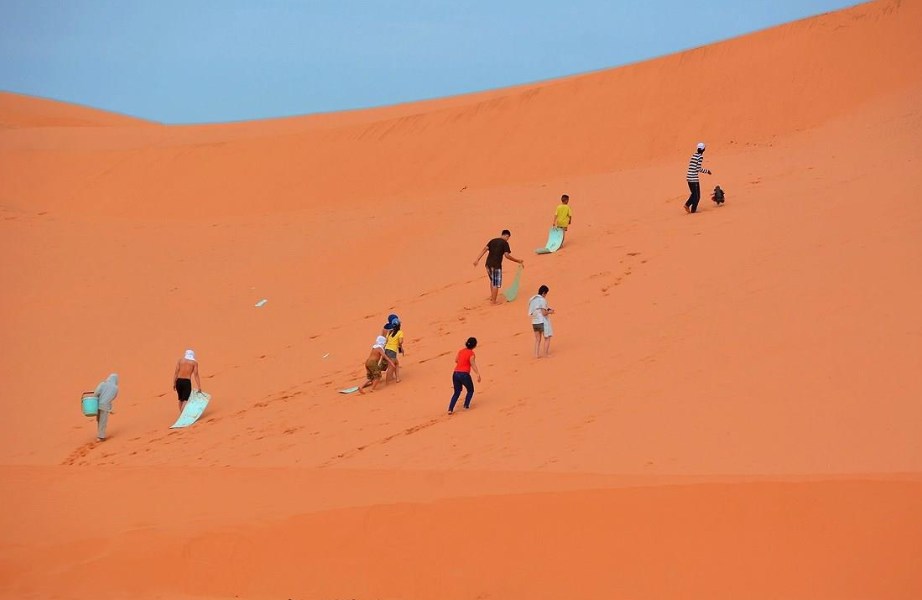
Closer to town (about 5 km), the Red Sand Dunes offer orange-hued sands that glow under the sun, though they’re more touristy with bus parking and crowds. These dunes are perfect for sandboarding—negotiate prices upfront with local kids who provide sleds for $1-2 USD per ride. The sliding experience is fast and fun, but expect a workout climbing back up. In 2026, augmented reality apps might enhance visits, overlaying historical info on your phone.
Pink Sand
While not as vast as the white dunes, the red ones are easily accessible off the main road, making them great for a quick stop. Visit at sunset for dramatic lighting and fewer people. They’re a staple on Mui Ne tours, highlighting the region’s unique geology formed by wind and erosion over centuries. Local artists often sculpt sand figures here, adding a creative touch—tip them for photos.
The red color comes from iron oxide in the soil, and erosion creates ever-changing shapes. Birdwatchers can spot migratory species in nearby shrubs. For families, it’s a playful spot, but supervise children on steep slopes. Extend your visit with a picnic or yoga session amid the dunes for a zen experience.
Wander the Fairy Stream
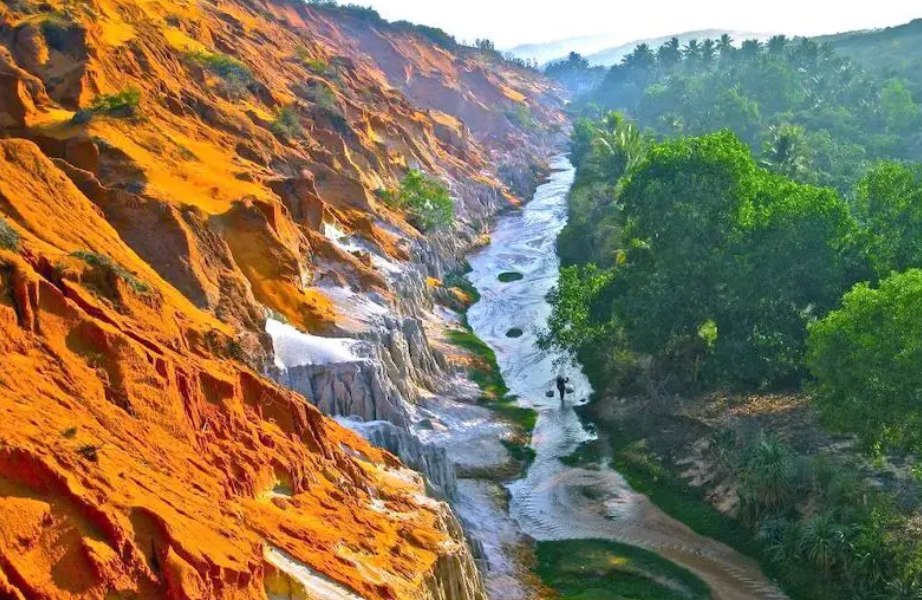
The Fairy Stream is a magical, ankle-deep waterway winding through red clay formations, lush jungle, and limestone cliffs—a 2 km barefoot stroll ending at a small waterfall. Located near the main strip, it’s a highlight for its contrasting colors: orange sands against green foliage. The stream’s soft, muddy bottom feels therapeutic, and the scenery shifts from canyon-like walls to open vistas.
Wander the Fairy Stream
Tips: Go early to avoid crowds; the waterfall is modest in dry season, so focus on photography. Entry is free, but small fees apply for parking or guides. It’s family-friendly and a peaceful contrast to dune adventures, embodying Mui Ne’s natural diversity. In 2026, boardwalks might be added for accessibility, but the raw charm remains.
The stream’s formations are natural sculptures, carved by water over time, and small fish nibble at your feet for a free “fish spa.” Botanists will appreciate the tropical plants, including banana trees and ferns. For photographers, golden hour lighting creates stunning contrasts. Combine with a visit to nearby ostrich farms for quirky fun.
Experience Kite Surfing and Water Sports
Mui Ne is Asia’s kitesurfing capital, thanks to strong, consistent winds from November to April. Along the main beach, schools like Flyboard Mui Ne offer lessons for beginners ($50-100 USD for a session), including gear rental. Glide across waves harnessing the wind—it’s addictive and scenic. In 2026, advanced tech like GPS trackers in kites enhances safety.
For non-surfers, try windsurfing, jet skiing, or paragliding. The beach’s steady breezes make it ideal, and watching pros is entertaining. As a quote from a traveler puts it, “Mui Ne is a perfect site for kiteboarding and windsurfing which draws a large crowd of tourists and expats who love sports.” Book through your hotel for safety. New in 2026: Eco-kites made from recycled materials.
The sport’s popularity has led to international competitions, drawing crowds in peak season. Beginners should start with lessons to learn wind patterns and safety. For variety, try stand-up paddleboarding in calmer waters.
Discover the Fishing Village and Mui Ne Harbor
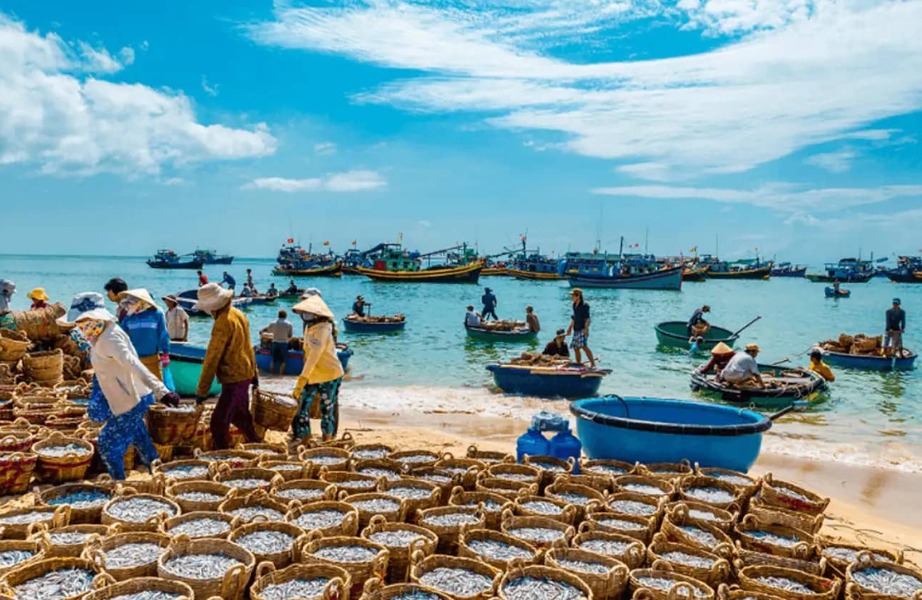
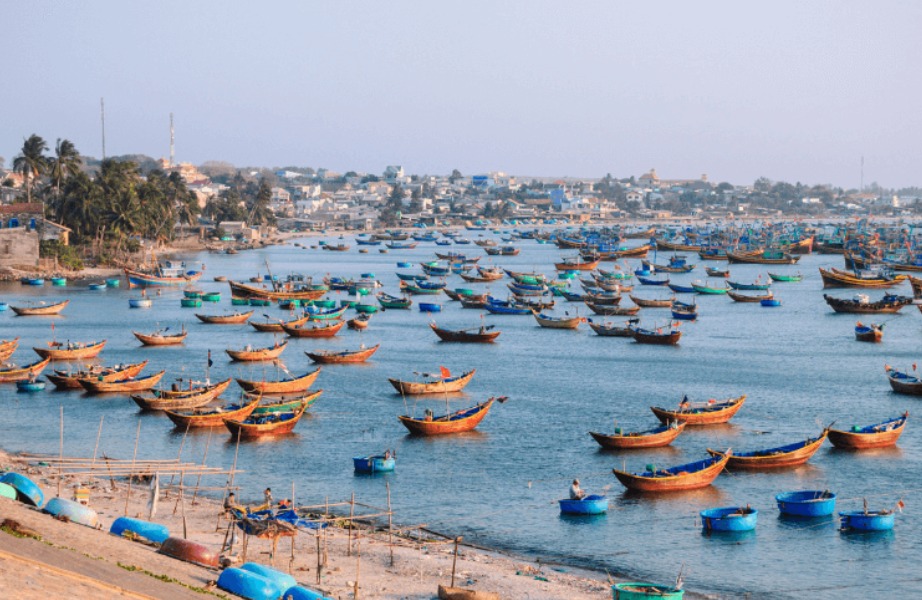
For cultural insight, visit Mui Ne’s fishing village early morning when boats return with catches. Witness locals sorting seafood amid colorful vessels—it’s bustling and photogenic, though prepare for strong odors. The harbor offers views of traditional life, with women mending nets and children playing.
Discover the Fishing Village and Mui Ne Harbor
Explore the fish market for fresh buys or take a short boat ride around the headland. This spot highlights Mui Ne’s roots, contrasting with resort areas. Include it in a tour for context on the community’s roles and daily rhythms. In 2026, sustainable fishing tours educate on marine conservation.
The village’s round basket boats are iconic, used for near-shore fishing. Learn about nuoc mam (fish sauce) production, a local staple. Photographers capture vibrant scenes, but respect privacy.
Savor Fresh Seafood
Mui Ne’s seafood scene is a delight, with oceanfront restaurants along Nguyen Dinh Chieu Street serving grilled prawns, squid, and fish. Places like Lam Tong offer beachside dining with sunset views—try the hotpot or barbecue for $5-15 USD per person. The strong fish smells add authenticity, but it’s paradise for foodies.
Venture to night markets for street eats like banh xeo (crispy pancakes) or fresh oysters. Pair with a cold Saigon beer for the ultimate Mui Ne meal, celebrating the town’s maritime bounty. In 2026, fusion spots blend Vietnamese with international flavors.

Seafood
Local specialties include ca loc nuong (grilled snakehead fish) and goi ca mai (raw herring salad). Vegetarians find options like fresh salads and tofu dishes.
Explore Mui Ne Beaches and Beyond
Mui Ne Beach itself is golden sand ideal for sunbathing, though main strip areas aren’t great for swimming due to waves. Head further afield via motorbike to quieter spots like Hon Rom or Ke Ga for pristine shores and viewpoints. Activities include camel riding on dunes or visiting the Old Fishing Village Museum for historical insights.
For history buffs, the Po Shanu Cham Towers and Ong Hoang Hill with its Prince’s Castle ruins add depth. Mui Ne’s beaches blend relaxation with exploration. In 2026, beach cleanups encourage volunteer tourism.
Ke Ga Lighthouse, Vietnam’s tallest, offers panoramic views after a boat ride. Snorkeling spots reveal coral and fish.
Other Adventures in Mui Ne
Quad biking on dunes, jeep safaris, or visiting Cat Tien National Park nearby offer more thrills. For wellness, book a beach massage or spa at Palado Hotel. Nightlife includes bars like Joe’s Cafe for live music. New in 2026: Virtual reality dune simulations.
Hiking Ta Cu Mountain leads to a giant reclining Buddha statue. Golf courses provide leisure alternatives.
Where to Stay in Mui Ne
Options range from budget hostels like iHome Backpacker Resort ($7/night with pool) to luxury like Four Oceans Resort ($42/night). Palado Hotel stands out for its beachfront luxury and unique amenities, including the wine cellar for tastings. In 2026, eco-resorts emphasize solar power and zero-waste.
Mid-range spots like Mui Ne Hills Budget Hotel offer value with pools and views. Book oceanfront for sea breezes.
Dining and Nightlife in Mui Ne
Beyond seafood, try international spots or street food. Night markets buzz with energy, and bars offer ocean views. In 2026, craft beer scenes emerge. Cafes like Sankara serve fusion cuisine.
For nightlife, Dragon Beach hosts parties, but Mui Ne remains relaxed compared to Nha Trang.
Practical Tips for Visiting Mui Ne
Budget: $30-50/day covers basics. Safety: Watch for traffic; use sunscreen. Sustainability: Avoid plastic; support locals. Health: Drink bottled water; get vaccinations. Currency: VND, with ATMs available.
As a traveler reflected, “Mui Ne has known as ‘resort capital’ of Vietnam with many resorts along the seacoast. Tourists can swim in the blue water of the sea, slip on the sand dunes.”
30 Frequently Asked Questions About Visiting Mui Ne
Here are 30 detailed FAQs to help plan your Mui Ne trip, with in-depth answers based on common traveler inquiries.
- What is the best way to get to Mui Ne from Ho Chi Minh City? The most convenient and scenic route is by train from Saigon to Phan Thiet, taking about 4 hours on the SPT2 service, followed by a 20-minute taxi or bus ride to Mui Ne (around 11 km). Buses from Mien Dong Station take 5 hours and cost $5-10 USD, with air-conditioned options from companies like Kumho Samco. For independence, rent a motorbike, but ensure you have an international driving permit as Vietnamese roads can be challenging with traffic and potholes. Private transfers or rideshares like Grab are also available for $50-80 USD, offering comfort for groups or families. Avoid overnight buses if prone to motion sickness, as roads wind through countryside. In 2026, potential high-speed rail upgrades could cut time to under 3 hours—check Vietnam Railways for updates.
- When is the peak season for kitesurfing in Mui Ne? Peak kitesurfing season runs from November to April, when strong, consistent northeast winds (15-25 knots) create ideal conditions for the sport. Mui Ne’s reputation as Asia’s top kitesurfing destination stems from these winds, drawing professionals and beginners alike. Schools like Surfpoint or Flyboard Mui Ne offer lessons during this time, with rentals starting at $20/hour. Outside this period, winds drop, making it better for windsurfing or calmer activities. Book in advance for February-March, the busiest months, and check wind forecasts via apps like Windy for daily planning. In 2026, international events like the Mui Ne Kite Fest in January add excitement.
- How much does a jeep tour of the sand dunes cost in Mui Ne? A standard jeep tour covering the white and red sand dunes, Fairy Stream, and fishing village costs around $7-10 USD per person for a group of 4-6, lasting 4-5 hours. Sunrise tours (starting 4-5 AM) or sunset options are popular for photography. Private tours run $20-30 USD, allowing customization. Prices include transport but exclude extras like quad bike rentals ($10-20 USD/30 minutes) or sandboard fees ($1-2 USD). Book through your hotel or agencies on Nguyen Dinh Chieu Street to ensure reliable drivers and avoid overcharges. In 2026, eco-jeeps using electric vehicles may become standard for sustainable tourism.
- Is Mui Ne suitable for families with children? Absolutely, Mui Ne offers family-friendly activities like gentle Fairy Stream walks, sand dune sliding (safe with supervision), and beach play. Resorts like Palado Hotel provide pools and kids’ amenities. However, monitor strong waves for swimming and apply sunscreen liberally due to intense sun. Cultural sites like the fishing village educate on local life, and jeep tours can be tailored for shorter durations. Avoid quad biking for young kids; opt for camel rides instead. Overall, it’s a balanced destination with relaxation and mild adventures, and in 2026, more child-focused tours like dune storytelling sessions are emerging.
- What should I pack for a trip to Mui Ne? Essentials include lightweight clothing, swimwear, hats, and high-SPF sunscreen for the hot, sunny climate. Bring sturdy sandals for dune walking and Fairy Stream, plus insect repellent for evenings. A reusable water bottle helps with sustainability, and cash (VND) for small vendors as ATMs are sparse. If kitesurfing, pack rash guards; otherwise, rent gear. Don’t forget a power bank for long days out, and medications for motion sickness if touring by jeep. For rainy season, a light rain jacket is wise. In 2026, pack eco-friendly items like biodegradable toiletries to align with local conservation efforts.
- Are there any cultural etiquette tips for visiting Mui Ne’s fishing village? Respect local customs by dressing modestly (cover shoulders and knees), asking permission before photographing people, and avoiding disruption during work hours. Early mornings are busy with catches, so observe quietly. Support the community by buying fresh seafood or handicrafts, but haggle politely. Learn basic Vietnamese phrases like “xin chào” (hello) to build rapport. Avoid littering to preserve the environment, and be mindful of strong odors—it’s part of the authentic experience. In 2026, community-led tours emphasize ethical interactions, promoting fair trade.
- How safe is it to rent a motorbike in Mui Ne? Motorbike rentals are common ($5-10/day), but safety varies. Roads are busy with trucks, so wear helmets (provided) and drive defensively. Foreigners need an international permit; without one, police may fine you $20-50 USD—it’s enforcement, not a scam. Stick to daylight hours, avoid alcohol, and test the bike first. For dunes, use guided tours instead. Overall, it’s safe with caution, but beginners should opt for taxis. In 2026, apps for safe rentals with insurance are becoming popular.
- What are the top beaches to visit near Mui Ne? Mui Ne Beach is central for resorts and sports, but for seclusion, head to Hon Rom Beach with its viewpoint or Ke Ga with rocky shores and lighthouse. Rang Beach stretches 10 km for walks. Avoid main strip swimming due to currents; further spots are calmer. All offer golden sands and palm shades, perfect for picnics or sunsets. In 2026, beach yoga retreats are trending.
- Can I visit the Po Shanu Cham Towers from Mui Ne? Yes, these ancient towers are 7 km from Phan Thiet (accessible by motorbike or taxi from Mui Ne). Built in the 8th century, they feature Champa architecture and are open daily (entry $1 USD). Combine with a city tour for history. Best in morning light; guides explain worship practices. In 2026, AR apps might bring the history to life.
- What is the average cost of food in Mui Ne? Street food like pho or banh mi costs $1-3 USD, while seafood meals at beach restaurants run $5-15 USD per person, including fresh catches grilled tableside. Upscale spots like Palado Hotel’s restaurants charge $10-20 USD. Night markets offer bargains; budget $10-20/day for meals, including drinks. In 2026, food tours highlight sustainable sourcing.
- Is Mui Ne worth visiting for solo travelers? Yes, it’s safe and social, with hostels fostering connections. Activities like dune tours or kitesurfing classes encourage mingling. Beaches provide solitude, but evenings at bars like Joe’s Cafe offer community. Women travelers report positive experiences, though standard precautions apply. In 2026, solo traveler meetups via apps are common.
- How do I book kitesurfing lessons in Mui Ne? Contact schools like Surfpoint (on the beach) or via hotel desks. Beginner packages ($200-300 USD for 6-10 hours) include theory, practice, and gear. Check certifications; windy season is best. Apps like GetYourGuide list options. In 2026, online booking platforms integrate VR previews.
- What wildlife can I see in Mui Ne? Dunes host lizards and birds; beaches have crabs and sea life. Nearby Cat Tien National Park offers elephants and monkeys via day trips. Fairy Stream has fish nibbling feet—harmless fun. In 2026, wildlife safaris focus on conservation.
- Are there vegetarian options in Mui Ne? Yes, many restaurants offer veggie pho, salads, or tofu dishes. Markets have fruits; specify “chay” for vegetarian. International spots cater well. In 2026, vegan cafes are expanding.
- How long should I stay in Mui Ne? 2-3 days suffice for main attractions, but 4-5 for relaxation and sports. Extend for nearby Phan Thiet exploration. In 2026, digital nomad visas make longer stays appealing.
- What currency is used in Mui Ne, and are cards accepted? Vietnamese Dong (VND); $1 USD ≈ 23,000 VND. Cards work at resorts, but cash is king for tours and markets. ATMs are available but charge fees. In 2026, mobile payments like Momo are widespread.
- Is English widely spoken in Mui Ne? In tourist areas, yes—hotel staff and guides speak it. Villages less so; use translation apps for deeper interactions. In 2026, AI translators enhance communication.
- What are the health precautions for Mui Ne? Use mosquito repellent (dengue risk), drink bottled water, and apply sunscreen. Vaccinations for hepatitis and typhoid recommended. Pharmacies stock basics. In 2026, telehealth apps provide quick consultations.
- Can I do a day trip to Phan Thiet from Mui Ne? Yes, 20 minutes by taxi ($5 USD). Visit markets, fish sauce factories, and temples for a cultural contrast. In 2026, e-bike tours make it easy.
- What souvenirs to buy in Mui Ne? Fish sauce, Cham handicrafts, or dune sand art. Shops at Palado Hotel offer ocean-inspired gifts. In 2026, sustainable souvenirs like recycled plastic art are popular.
- Is Mui Ne accessible for people with disabilities? Limited—dunes are sandy, but beaches have ramps at resorts. Choose ground-floor rooms; tours may adapt. In 2026, accessibility improvements are underway.
- What festivals happen in Mui Ne? Cham festivals at towers in April; Tet (Lunar New Year) brings celebrations. Kite festivals during windy season. In 2026, eco-festivals promote green tourism.
- How to avoid crowds at the sand dunes? Visit midweek or midday; white dunes are less busy. Private tours for seclusion. In 2026, timed entries might regulate flow.
- What is the nightlife like in Mui Ne? Relaxed—beach bars with music, like Dragon Beach. No wild clubs; focus on sunsets and chats. In 2026, live music scenes grow.
- Are there hiking opportunities in Mui Ne? Yes, dune hikes or Fairy Stream trails. Nearby Ta Cu Mountain for longer treks. In 2026, guided hikes include birdwatching.
- What transportation options are there within Mui Ne? Motorbikes, bicycles ($2/day), or Grab taxis. Walk the strip; buses to Phan Thiet. In 2026, electric shuttles reduce emissions.
- Is Mui Ne LGBTQ+ friendly? Generally yes, with inclusive resorts. Vietnam is progressing; discretion in rural areas. In 2026, pride events in nearby cities influence positively.
- What to do on a rainy day in Mui Ne? Spa at Palado Hotel, cooking classes, or visit museums. Indoor wine tasting at the cellar. In 2026, VR experiences simulate outdoor adventures.
- How does Mui Ne compare to Nha Trang? Mui Ne is quieter, dune-focused; Nha Trang busier with islands. Choose Mui Ne for adventure. In 2026, both see infrastructure upgrades.
- What makes Mui Ne unique in Vietnam? Its desert-like dunes amid beaches create a surreal contrast, plus Cham history and windsports. It’s a microcosm of Vietnam’s diversity, blending nature, culture, and relaxation in one compact destination. In 2026, emerging tech like drone tours highlight this uniqueness.
Conclusion: Why Mui Ne Should Be on Your Bucket List in 2026
Mui Ne captivates with its blend of natural spectacles, cultural depth, and adventurous spirit. From dune explorations to seaside feasts, it offers something for every traveler. Plan your visit today—book at Palado Hotel for the perfect base—and immerse in Mui Ne’s magic. Safe travels!