Mui Ne, a enchanting coastal enclave in Binh Thuan Province, southern Vietnam, has solidified its status as a premier destination for travelers seeking a harmonious blend of natural wonders, cultural depth, and adrenaline-pumping activities. Renowned for its surreal sand dunes that mimic desert landscapes juxtaposed against turquoise seas, Mui Ne offers an array of must-visit tourist attractions that cater to every type of explorer. In 2026, with enhanced infrastructure and sustainable tourism initiatives, Mui Ne continues to captivate, drawing visitors from around the globe to its pristine beaches, ancient Cham ruins, and vibrant fishing communities. This ultimate guide delves into the essential Mui Ne tourist attractions, providing in-depth details, practical tips, and insider insights to ensure your visit is nothing short of extraordinary. For a comprehensive overview of Mui Ne’s background, explore the Mui Ne Wikipedia page.
“Mui Ne is a hidden gem where the whispers of ancient dunes meet the roar of ocean waves, creating a timeless adventure for the soul.” – Travel Enthusiast, TripAdvisor
Introduction to Palado Hotel: Your Luxurious Gateway to Mui Ne Tourist Attractions
To truly immerse yourself in the magic of Mui Ne’s must-visit tourist attractions, choosing the right accommodation is key. Palado Hotel, a exquisite 4-star beachfront retreat situated at 98B Nguyen Dinh Chieu, Mui Ne Ward, Lam Dong Province, Vietnam, serves as the perfect base for your explorations. Born from a deep reverence for Mui Ne’s natural allure—featuring endless azure waters, powdery white sands, and perpetual golden sunlight—Palado Hotel artfully merges contemporary architecture with elements of local culture and the surrounding environment. The design philosophy emphasizes minimalist elegance, with bold structural lines and expansive floor-to-ceiling glass windows that flood interiors with natural light and refreshing sea breezes, fostering an atmosphere of profound relaxation and connection to nature.
Introduction to Palado Hotel: Your Luxurious Gateway to Mui Ne Tourist Attractions
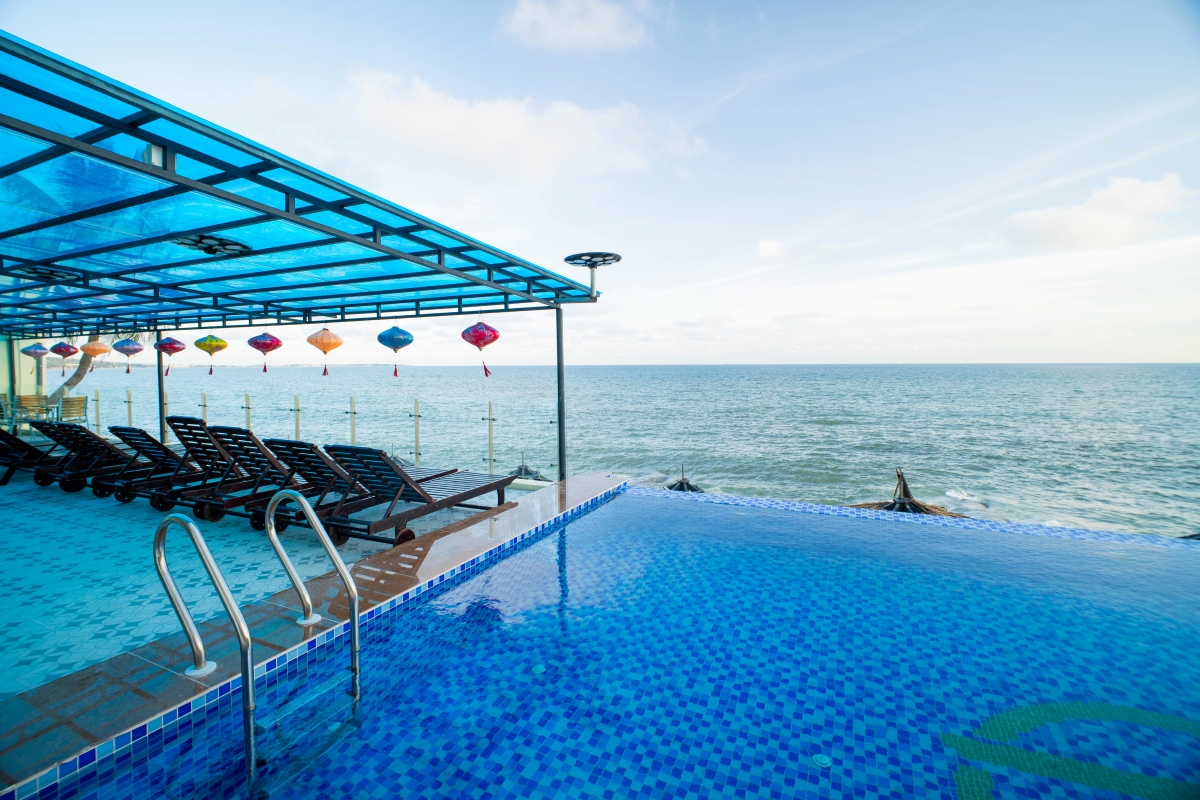
Each guest room at Palado Hotel is a meticulously crafted sanctuary, boasting refined furnishings, supremely comfortable beds adorned with high-thread-count linens, ergonomic workspaces, and subtle ambient lighting that enhances the serene ambiance. Awakening to panoramic views of the ocean and sky, guests are enveloped in the rhythmic symphony of waves and the invigorating salty air, setting the tone for days filled with Mui Ne’s adventures. The hotel’s amenities elevate the experience further: an infinity-edge swimming pool that creates the illusion of seamlessly blending with the sea, a rooftop coffee lounge offering sweeping coastal panoramas, and the Palado Spa, where expert therapists deliver rejuvenating treatments using aromatic essential oils amidst lush tropical gardens.
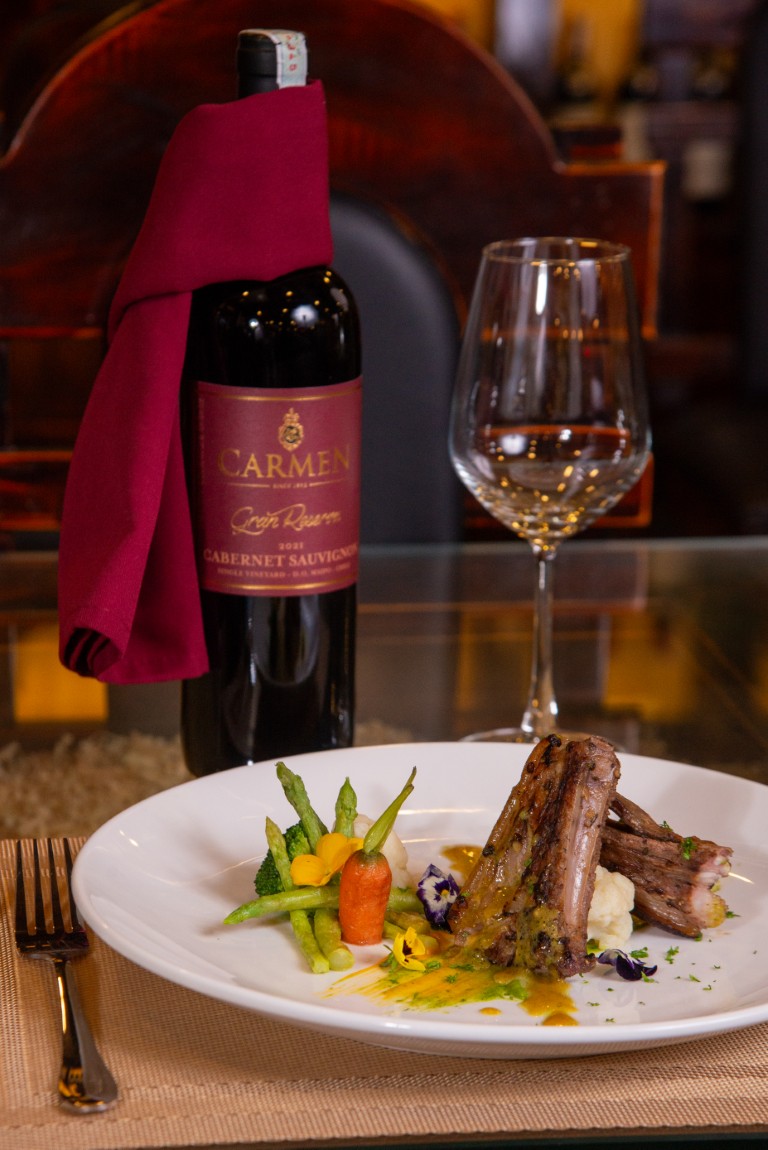
Dining at Palado Hotel is a culinary journey in itself, with two onsite restaurants that fuse Asian and Western flavors against breathtaking ocean vistas. The beachfront dining venue features an open-concept design for uninterrupted views, while the underground wine cellar— a pioneering feature in the Phan Thiet-Mui Ne region—transports guests to a European-inspired haven with rustic stone walls, fragrant pine accents, and curated wine selections paired with gourmet delights. Complementing these are a specialty shop stocked with authentic Mui Ne souvenirs, a dedicated Tour & Travel Desk for arranging personalized excursions to must-visit attractions, and convenient rental services for motorbikes and bicycles to navigate the area at your own pace. Whether you’re a solo traveler seeking solitude, a couple in search of romance, or a family craving shared discoveries, Palado Hotel encapsulates the essence of Mui Ne, transforming your stay into a tapestry of luxury, comfort, and memorable moments. For reservations and further information, visit Palado Hotel.
History and Culture of Mui Ne: Foundations of Its Must-Visit Attractions
Mui Ne’s allure as a hub of must-visit tourist attractions is deeply intertwined with its storied history and vibrant cultural fabric. Tracing its roots to the ancient Champa Kingdom, which thrived from the 4th to the 15th century, Mui Ne was once part of a prosperous Hindu-influenced civilization known for its seafaring prowess and architectural ingenuity. The Cham people, descendants of this kingdom, have left an indelible mark through relics like the Poshanu Cham Towers, which stand as testaments to their spiritual and artistic heritage. These towers, constructed with intricate red brickwork, were dedicated to deities such as Shiva and continue to host annual festivals like the Kate Festival, where traditional dances, music, and rituals celebrate Cham identity.
As Vietnam evolved through colonial eras and modern reforms, Mui Ne transitioned from a humble fishing hamlet to a burgeoning tourist destination following the 1986 Doi Moi economic policies. Despite this growth, the local culture remains authentically preserved, with fishing communities upholding age-old practices—evident in the bustling Mui Ne Fishing Village, where colorful coracle boats bob on the waves and markets teem with fresh seafood. Vietnamese customs blend seamlessly with Cham influences, seen in local crafts like pottery and weaving, and in the region’s culinary traditions that incorporate fresh, local ingredients. In 2026, sustainable cultural tourism initiatives, such as guided Cham village tours and eco-friendly festivals, ensure that visitors can engage respectfully with this heritage. As one travel source aptly describes, “Mui Ne’s attractions are not just sights but portals to Vietnam’s resilient spirit.” This cultural depth enriches every must-visit site, turning simple visits into profound cultural immersions.
Best Time to Visit Mui Ne in 2026: Optimizing Your Trip to Must-Visit Attractions
Timing your visit to Mui Ne’s must-visit tourist attractions can significantly enhance your experience, given the region’s tropical monsoon climate. In 2026, the dry season from November to April emerges as the prime window, offering sunny skies, moderate temperatures averaging 25-30°C (77-86°F), and consistent northeast winds that make activities like kitesurfing exhilarating. This period is ideal for exploring outdoor attractions such as the sand dunes and beaches, with minimal rainfall ensuring clear vistas and comfortable conditions. However, expect larger crowds during peak months like December to February, coinciding with international holidays and Vietnam’s Tet celebrations, which add festive vibrancy but may inflate prices.
For those preferring fewer tourists and lower costs, the shoulder seasons of May to June or September to October provide a balanced alternative, with occasional short showers that rarely disrupt plans. The wet season from July to October brings heavier rains, potentially limiting access to some attractions like hiking trails, but it also unveils lush greenery and dramatic seascapes. Kitesurfing enthusiasts should target November to March for optimal wind conditions. Regardless of when you visit, pack lightweight clothing, high-SPF sunscreen, hats, and a reusable rain poncho. Travel experts recommend checking weather apps and booking flexible tours to adapt to conditions, ensuring you maximize enjoyment at Mui Ne’s iconic sites.
How to Get to Mui Ne: Seamless Access to Must-Visit Tourist Attractions
Reaching Mui Ne, approximately 200 kilometers east of Ho Chi Minh City, is straightforward and offers various options to suit budgets and preferences. The most popular route is by bus, with reputable operators like FUTA Bus Lines or Kumho Samco providing comfortable air-conditioned services from Mien Dong Bus Station in Ho Chi Minh City. Journeys take 4-5 hours and cost VND 150,000-300,000 ($6-12), dropping passengers directly in Mui Ne’s central strip. For a more scenic experience, opt for the train from Saigon Railway Station to Phan Thiet Station (4-5 hours, VND 200,000-500,000), followed by a short 20-kilometer taxi or bus ride to Mui Ne (VND 200,000-300,000).
Flying into Lien Khuong Airport in Dalat or the upcoming Phan Thiet Airport (expected to be fully operational by 2026) provides quicker access, with subsequent ground transfers. Adventurous travelers can rent motorbikes or cars for the drive along Highway 1A, enjoying coastal views but requiring caution on Vietnamese roads. Once in Mui Ne, motorbike rentals (VND 100,000-150,000 per day) are the go-to for navigating attractions, while apps like Grab offer convenient ridesharing. For group travel, private transfers or jeep tours bundle transportation with site visits. Pro tip: Book in advance during peaks and carry cash for rural areas. These options ensure effortless access to Mui Ne’s treasures.
Where to Stay in Mui Ne: Accommodations Near Must-Visit Attractions
Mui Ne’s accommodation scene ranges from budget-friendly guesthouses to opulent resorts, strategically located for easy access to must-visit tourist attractions. The Ham Tien-Mui Ne strip buzzes with options like boutique hotels and beachfront bungalows, ideal for proximity to beaches and the Fairy Stream. Luxury seekers will appreciate resorts such as Anantara Mui Ne or Pandanus Resort, featuring private pools, spas, and ocean views (VND 3,000,000-6,000,000 per night). Mid-range choices like Serenity by the Sea or Mui Ne Hills Budget Hotel offer comfort with amenities like pools and restaurants (VND 800,000-2,000,000).
Introduction to Palado Hotel: Your Luxurious Gateway to Mui Ne Tourist Attractions
For authentic vibes, homestays in fishing villages provide cultural immersion at VND 300,000-600,000. Palado Hotel, with its infinity pool, spa, and unique wine cellar, stands out as a top pick for blending luxury with convenience to attractions like the sand dunes. Use platforms like Booking.com or Agoda for deals, and book sea-view rooms for stunning sunrises. Off-peak stays yield discounts, and eco-friendly properties support sustainable tourism. Whatever your style, Mui Ne’s lodgings enhance your attraction-hopping adventures.
Must-Visit Mui Ne Tourist Attractions: Detailed Explorations
1. White Sand Dunes (Bau Trang): A Desert Mirage by the Sea
The White Sand Dunes, also known as Bau Trang or White Lake, rank among the most iconic must-visit Mui Ne tourist attractions, offering a surreal landscape where vast white sands meet lotus-filled lakes. Located about 25 kilometers north of Mui Ne, this expansive dune system spans over 50 hectares, with peaks reaching up to 30 meters. Formed over centuries by wind erosion, the dunes shift shapes daily, creating an ever-changing vista reminiscent of the Sahara but bordered by the East Sea. Visitors flock here for sunrise jeep tours (VND 400,000-600,000 per vehicle), where the golden light illuminates the pristine sands, or for quad biking adventures that let you zip across the terrain.
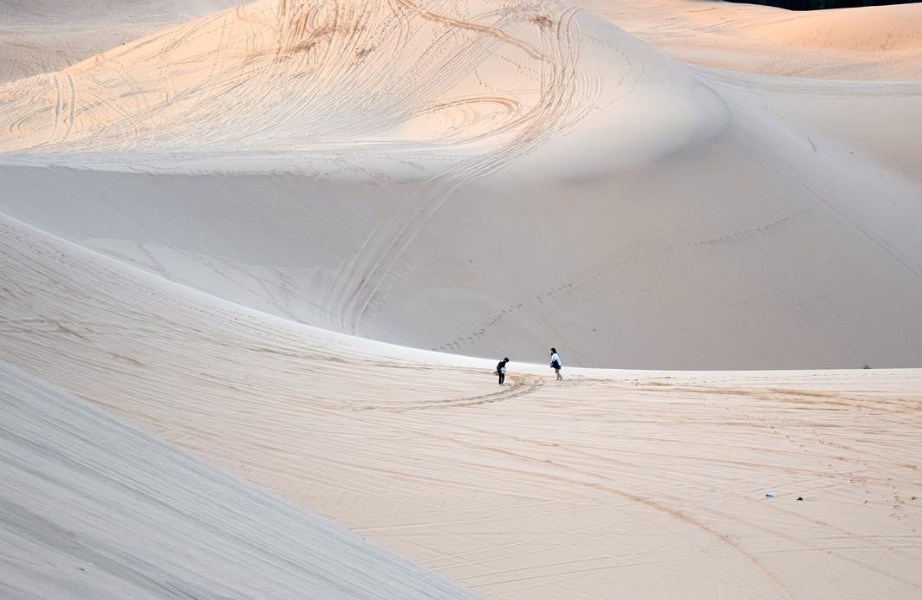
Bau Trang
History ties the dunes to local legends of ancient seas and Cham nomads, while ecologically, they support unique flora like cacti and wildflowers. Best visited early morning or late afternoon to avoid midday heat (temperatures can soar to 35°C), entry is free, but activities incur fees. Tips: Wear closed shoes to prevent sand burns, bring water, and hire a local guide for safe navigation. For photographers, the lotus blooms in Bau Sen Lake (June-August) add vibrant pink hues. As a source highlights, “The White Sand Dunes are a must-see for their breathtaking desert escape in Vietnam.” Don’t miss ostrich rides or picnics by the lake for a full experience.
Visualize the ethereal White Sand Dunes:
2. Red Sand Dunes: Vibrant Sands and Sunset Spectacles
Closer to town at just 5 kilometers from Mui Ne center, the Red Sand Dunes captivate with their rusty orange hues, derived from iron-rich soil, making them a staple among must-visit Mui Ne tourist attractions. Spanning a smaller area than their white counterparts, these dunes are perfect for casual sand sliding (plastic sleds VND 20,000) or leisurely walks. The site’s history links to ancient trade routes, where Cham merchants traversed these sands, and today, it’s a hub for local artists who sculpt intricate figures from the malleable material.
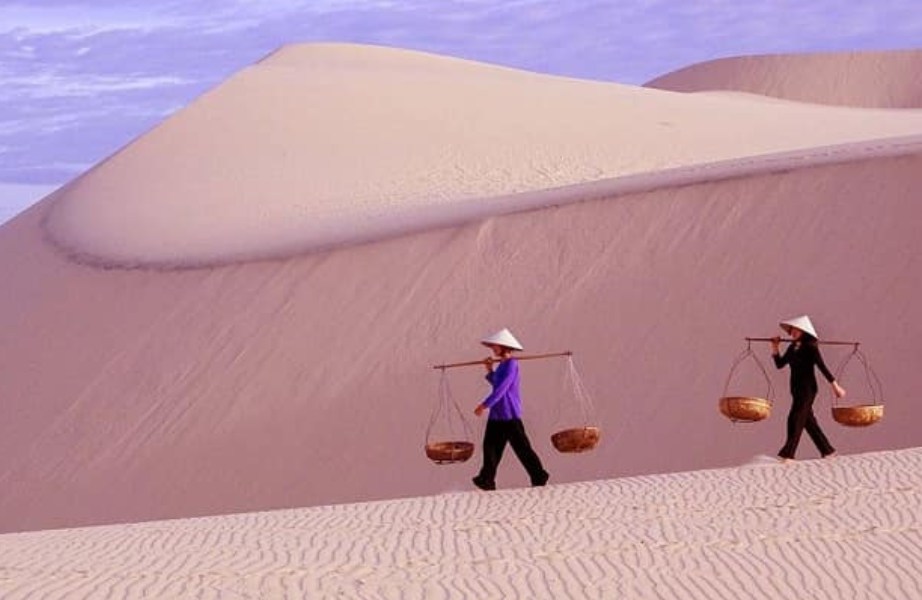
Red Sand Dunes
Best time: Sunset, when the sands glow fiery red against the horizon. No entry fee, but parking is VND 10,000. Tips: Avoid peak sun hours, apply sunscreen, and support local vendors selling coconut water. Combine with nearby attractions for efficiency. “The Red Sand Dunes are a must-see attraction in Mui Ne,” notes a travel guide. For thrill-seekers, ATV rentals add excitement.
Experience the striking Red Sand Dunes:
3. Fairy Stream (Suoi Tien): A Magical Natural Wonderland
The Fairy Stream, or Suoi Tien, is a whimsical must-visit Mui Ne tourist attraction, featuring a shallow stream winding through colorful red and white sand formations, lush vegetation, and bizarre rock pillars. Stretching 1.5 kilometers, this natural canyon—formed by erosion over millennia—invites barefoot wades in ankle-deep water, revealing mini-waterfalls and ostrich farms along the way. Local folklore claims fairies bathed here, adding mystical charm.
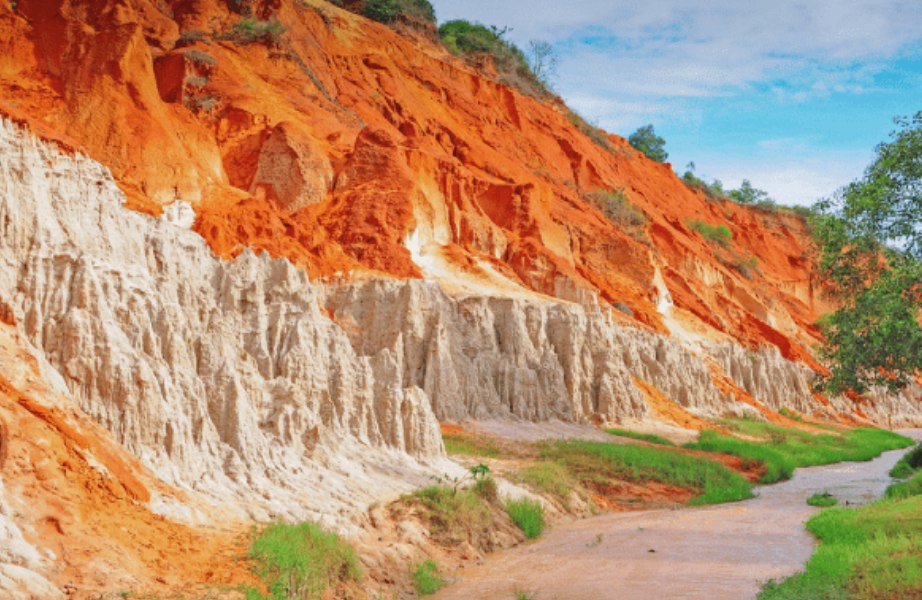
Fairy Stream (Suoi Tien): A Magical Natural Wonderland
Entry VND 15,000; best in morning for soft light and fewer crowds. Tips: Wear quick-dry clothes, watch for slippery rocks, and tip local guides. Vegetarians note nearby eateries. “Fairy Stream is a cannot-miss natural attraction,” praises a source. Extend your visit with nearby coconut groves.
Discover the enchanting Fairy Stream:
4. Mui Ne Fishing Village: Authentic Coastal Life
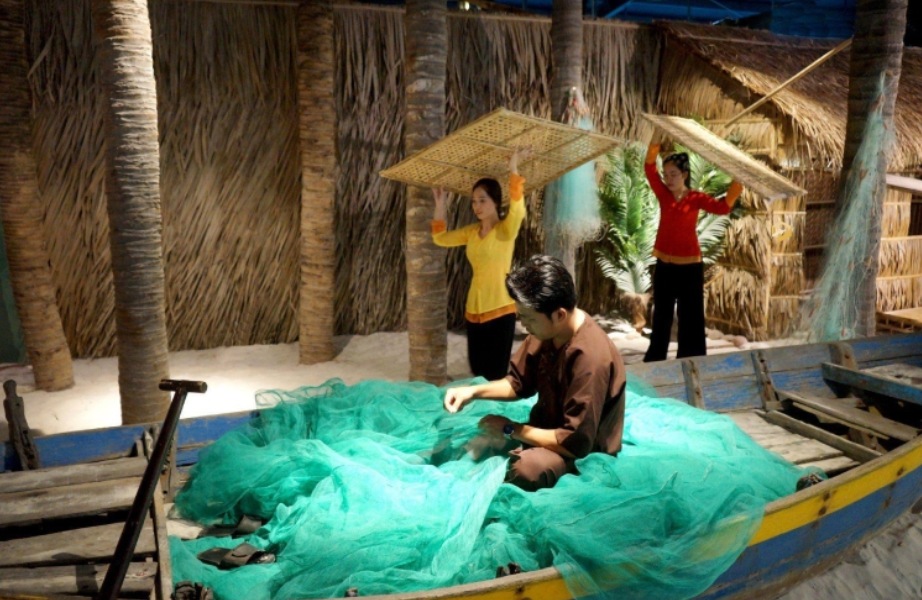
A quintessential must-visit Mui Ne tourist attraction, the Fishing Village offers a glimpse into traditional Vietnamese seaside living. Home to hundreds of colorful boats and bustling markets, this spot comes alive at dawn with fishermen unloading catches of squid, crab, and fish. Spanning the harbor area, it’s a photographer’s dream with coracle boats and net-mending scenes.
Free entry; visit early for market vibrancy. Tips: Bargain for fresh seafood, respect locals, and try boat rides (VND 100,000). “Mui Ne Fishing Village is an escape to Vietnam’s coastal charm.” Pair with nearby eateries for grilled catches.
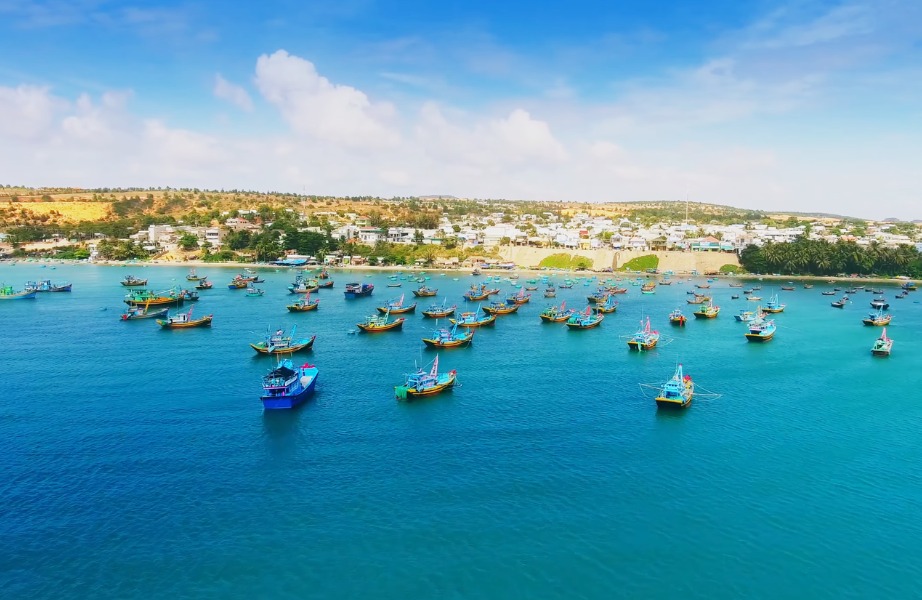
Mui Ne Fishing Village: Authentic Coastal Life
5. Poshanu Cham Towers: Ancient Architectural Marvels
Perched on Ong Hoang Hill, the Poshanu Cham Towers are a historical must-visit Mui Ne tourist attraction, dating back to the 8th century. These three brick towers, dedicated to Cham deities like Po Sah Inu, showcase intricate carvings and serve as active worship sites. The complex includes a small museum with artifacts.

Poshanu Cham Towers: Ancient Architectural Marvels
Entry VND 10,000; best during festivals. Tips: Dress modestly, climb for views, and learn from guides. “The Champa Kingdom Legacy: Secrets of Poshanu Towers.” Explore nearby ruins for depth.
Admire the historic Poshanu Cham Towers:
6. Ta Cu Mountain: Spiritual Hikes and Giant Buddhas
Ta Cu Mountain, 28 kilometers from Mui Ne, is a spiritual must-visit with its 49-meter reclining Buddha—the largest in Vietnam—and pagodas amid rainforests. Access via hike (2 hours) or cable car (VND 160,000 round-trip). The site dates to the 19th century, offering tranquility and panoramic views.
Best in dry season; entry VND 50,000. Tips: Wear sturdy shoes, bring insect repellent, and visit temples respectfully. “Climbing Ta Cu Mountain Mui Ne” for insights. Picnic spots abound.
Ascend Ta Cu Mountain:
7. Ke Ga Lighthouse: Colonial Beacon and Island Views
The tallest in Southeast Asia at 65 meters, Ke Ga Lighthouse (built 1899) is a must-visit Mui Ne tourist attraction on a rocky island accessible by boat (VND 50,000). Climb 183 steps for sweeping coastal vistas; it’s a historical maritime landmark.
Entry VND 20,000; best at low tide. Tips: Check tides, wear comfy shoes, and snorkel nearby. “Ke Ga Lighthouse is all you need to know.” Sunset boat trips enchant.
Behold Ke Ga Lighthouse:
8. Mui Ne Beach: Kitesurfing Haven and Relaxation Spot
Mui Ne Beach, stretching 15 kilometers, is a premier must-visit for water sports, especially kitesurfing, thanks to consistent winds. The golden sands host schools and rentals (lessons VND 1,000,000).
Free access; peak November-March. Tips: Choose certified schools, apply reef-safe sunscreen. “Kitesurfing in Mui Ne, Vietnam.” Relax with beachside cafes.
Ride the waves at Mui Ne Beach:
9. Lotus Lake (Bau Sen): Serene Waters Amid Dunes
Nestled within the White Sand Dunes, Lotus Lake blooms with pink lotuses in summer, creating a oasis-like must-visit. Paddle boats (VND 50,000) allow close encounters.
Best June-August; free with dunes. Tips: Visit at dawn for birdwatching, pack snacks. Enhances dune tours.
10. Ong Dia Rock Beach: Mythical Formations and Tranquility
This beach features unique rock stacks tied to legends, offering quiet swims and picnics. Less crowded, it’s a peaceful must-visit.
Free; anytime. Tips: Tide check, eco-friendly practices.
11. Dragon Fruit Farms: Agricultural Insights
Tour farms to learn about Vietnam’s “dragon fruit” cultivation, with tastings and picks.
VND 50,000 tours; evening for lit fields. Tips: Buy fresh produce.
12. Wonderland Water Park: Family Fun Slides
Thrills with pools and slides for all ages (VND 350,000).
Weekdays to avoid crowds. Tips: Sunscreen, lockers.
13. Dino Park: Prehistoric Adventures
Interactive dinosaur exhibits (VND 120,000).
Mornings; tips: Educational for kids.
14. Safari Cafe: Animal Encounters
Feed giraffes and elephants (VND 150,000).
Ethical visits; tips: Photos allowed.
15. Circus Land: Beachside Performances
Acrobatics and shows (VND 120,000).
Evenings; tips: Family-oriented.
16. Wonder Hill: Miniature Worlds
Scaled ancient sites (VND 120,000).
Anytime; tips: Photo ops.
17. Forgotten Land Sand Sculpture Park: Artistic Sands
Themed sculptures; VND 100,000.
Mornings; tips: Guided tours.
18. NovaWorld Phan Thiet: Shopping and Entertainment
Modern complex with malls, shows.
Evenings; tips: Dining options.
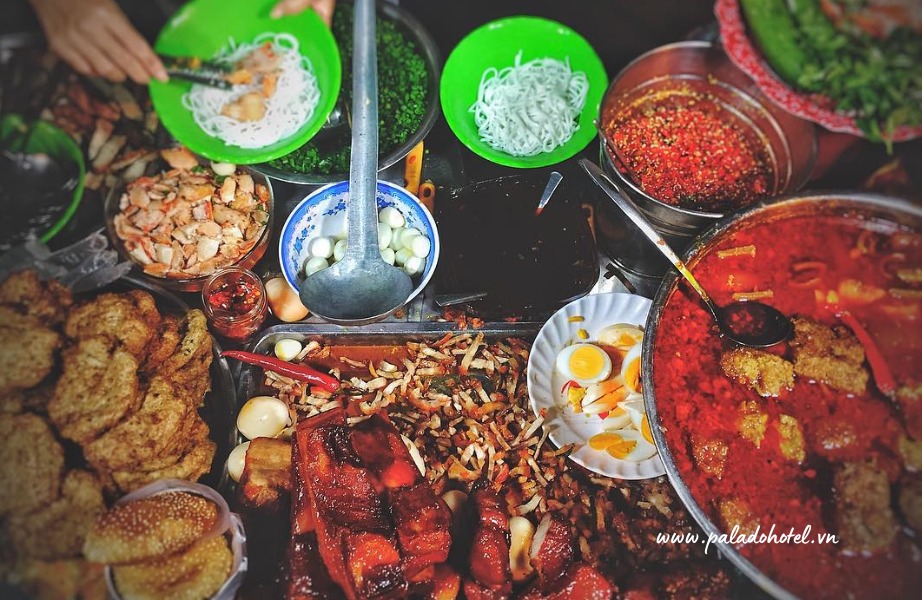
19. Mui Ne Night Market: Local Vibes
Mui Ne Night Market: Local Vibes
Street food, souvenirs; free.
Nights; tips: Bargain.
20. Po Shanu Cham Towers: Additional Cham Heritage
Similar to Poshanu, more ruins; VND 10,000.
Tips: Combine with Poshanu.
“Mui Ne’s attractions offer a perfect blend of nature, culture, and adventure, making it a top destination in Vietnam.” – Backpackers Wanderlust
What to Eat in Mui Ne: Culinary Complements to Your Attractions Tour
Mui Ne’s food scene enhances visits to must-visit tourist attractions, focusing on fresh seafood from the fishing village. Indulge in Goi Ca Mai (raw fish salad with herbs), Banh Canh Cha Ca (fish cake noodle soup), or grilled squid with chili. Street eats like Banh Xeo (shrimp pancakes) and Banh Trang Nuong (rice paper pizza) are affordable (VND 50,000-100,000). Vegetarian options include tofu adaptations and fresh fruits from dragon farms. Dine at Bo Ke Street or Palado Hotel’s fusion spots. Night markets offer Che desserts. Tips: Eat fresh, try cooking classes for immersion.
Suggested Itineraries for Exploring Must-Visit Mui Ne Tourist Attractions
2-Day Itinerary: Day 1: Fairy Stream, Red Dunes, Fishing Village. Day 2: White Dunes, Cham Towers, beach relax.
4-Day Itinerary: Add Ta Cu Mountain, Ke Ga Lighthouse, kitesurfing, parks.
Family Itinerary: Water parks, dunes sliding, animal cafes, easy beaches.
Insider Tips for Visiting Mui Ne Tourist Attractions in 2026
Budget: VND 5,000,000-15,000,000 for 4 days. Safety: Helmet on bikes, sun protection. Culture: Modest dress at sites. Eco: No litter, support locals. Families: Kid-friendly tours. Solo: Join groups. Book jeep tours (VND 500,000) for efficiency. Apps for weather, translations.
“From quad biking to Cham ruins, Mui Ne’s things to do entice all travelers.” – Bruised Passports
Frequently Asked Questions about Must-Visit Mui Ne Tourist Attractions
-
What are the top must-visit Mui Ne tourist attractions for nature lovers?
Nature enthusiasts will find Mui Ne’s landscapes irresistible, with the White Sand Dunes topping the list for their vast, shifting sands and lotus lakes that create a desert-oasis illusion. Explore via jeep or quad bike for an immersive experience, best at sunrise when temperatures are cooler and light is magical. The Red Sand Dunes offer vibrant orange vistas perfect for sliding and photography, while the Fairy Stream provides a gentle hike through colorful canyons with refreshing waters. Ta Cu Mountain combines hikes with rainforest scenery and Buddha views, and Bau Trang Lake blooms with lotuses in summer. These sites highlight Mui Ne’s unique geology, formed by wind and water over centuries. Tips include early visits, hydration, and eco-friendly practices like staying on paths. As guides note, “Mui Ne’s natural attractions are a surreal escape.” Allocate half-days per site for thorough enjoyment.
-
Which cultural must-visit Mui Ne tourist attractions should I prioritize?
Cultural highlights in Mui Ne revolve around Cham heritage, with Poshanu Cham Towers as a priority for their 8th-century architecture and active rituals. Visit during Kate Festival for dances and music. The Fishing Village immerses in daily life, with markets and boat traditions reflecting Vietnamese coastal culture. Po Shanu Towers offer similar insights, while Duc Thanh School ties to Ho Chi Minh’s history. Join workshops in Cham villages for pottery. These sites provide educational depth, often with guides (VND 200,000). Best in dry seasons; dress respectfully. “Explore ancient Cham ruins for cultural depth.” Combine with homestays for authenticity.
-
What adventure-focused must-visit Mui Ne tourist attractions are available?
Adventurers thrive with kitesurfing on Mui Ne Beach, where winds support lessons and pros (VND 1,000,000 sessions). Quad biking on dunes, sand sliding, and jeep safaris offer thrills. Ta Cu hikes challenge with rewards, Ke Ga boat trips add exploration. Paragliding and kayaking round out options. Safety gear essential; book certified operators. “Mui Ne is a playground for desert and water adventures.” Peak winds November-April enhance sports.
-
Are there family-friendly must-visit Mui Ne tourist attractions?
Yes, families enjoy Wonderland Water Park’s slides, Dino Park’s exhibits, Safari Cafe’s animals, and Circus Land’s shows. Dunes provide safe sliding, beaches gentle swims. Fishing Village educates on life, Cham towers on history. Resorts like Palado offer pools. Avoid heat; use sunscreen. “Mui Ne suits families with fun and education.” Plan mornings for energy.
-
How do I plan a budget trip to must-visit Mui Ne tourist attractions?
Budget travelers can focus on free sites like beaches and dunes, using motorbikes (VND 100,000/day) for transport. Group tours reduce costs (VND 500,000 for dunes). Stay in guesthouses (VND 300,000), eat street food (VND 50,000/meal). Off-peak visits save 30%. Total 4 days: VND 5,000,000. Apps for deals. “Affordable adventures in Mui Ne.”
-
What is the historical significance of Mui Ne’s must-visit attractions?
Mui Ne’s sites reflect Champa Kingdom (4th-15th century) with towers like Poshanu, colonial eras via Ke Ga Lighthouse (1899), and modern history at Duc Thanh School. Dunes tie to ancient trades, village to fishing traditions. Tours explain contexts. “Portals to Vietnam’s past.” Enhances visits with stories.
-
Which must-visit Mui Ne tourist attractions are best for photography?
Photographers love dunes for dramatic lights, Fairy Stream for colors, Fishing Village for scenes, Ke Ga for vistas, Ta Cu for panoramas. Golden hour ideal. Drones allowed with permits. Tips: Wide lenses, respect subjects. “Mui Ne’s visuals are captivating.”
-
Are there eco-friendly ways to explore must-visit Mui Ne attractions?
Yes, choose sustainable tours avoiding dune damage, use reusable items, support green hotels. Whale sanctuaries, conservation hikes promote protection. “Preserve Mui Ne’s beauty.” Leave no trace.
-
What unique experiences do must-visit Mui Ne attractions offer?
Unique include ostrich rides on dunes, lotus paddling, Cham rituals, lighthouse climbs, dragon fruit harvests. Cooking classes, night markets add flavor. “Unforgettable blends.”
-
How accessible are must-visit Mui Ne tourist attractions for all abilities?
Beaches, villages accessible; dunes via jeeps for mobility issues. Fairy Stream gentle, towers flat. Ta Cu has cable cars. Inquire for adaptations. “Inclusive options growing.”