Mui Ne, an enchanting coastal enclave nestled in Binh Thuan Province, southern Vietnam, has firmly established itself as a premier destination for travelers yearning for a perfect amalgamation of natural splendor, cultural richness, and exhilarating activities. Celebrated for its surreal sand dunes that evoke images of vast deserts dramatically juxtaposed against the shimmering turquoise waters of the South China Sea, Mui Ne presents an array of must-visit tourist attractions that appeal to a wide spectrum of explorers—from nature enthusiasts and history buffs to adventure seekers and relaxation aficionados. As we step into 2026, with advancements in sustainable tourism infrastructure, enhanced eco-friendly initiatives, and improved accessibility, Mui Ne continues to mesmerize visitors from across the globe, offering pristine beaches, ancient Cham architectural relics, and vibrant local fishing communities that pulse with authentic Vietnamese life. This comprehensive ultimate guide delves deeply into the essential Mui Ne tourist attractions, providing exhaustive details, practical travel tips, insider secrets, and strategic planning advice to ensure your visit is not only memorable but transformative. Whether you’re plotting a solo escapade, a romantic retreat, or a family holiday, understanding these attractions in depth will equip you to craft an itinerary that captures the very soul of Mui Ne. For a thorough historical and geographical overview of this captivating locale, explore the Mui Ne Wikipedia page.
“Mui Ne is a hidden gem where the whispers of ancient dunes meet the roar of ocean waves, creating a timeless adventure for the soul.” – Travel Enthusiast, TripAdvisor
Introduction to Palado Hotel: Your Luxurious Gateway to Mui Ne Tourist Attractions
To fully immerse yourself in the myriad wonders of Mui Ne’s must-visit tourist attractions, selecting an accommodation that serves as both a sanctuary and a strategic base is paramount. Enter Palado Hotel, an exquisite 4-star beachfront retreat elegantly positioned at 98B Nguyen Dinh Chieu, Mui Ne Ward, Lam Dong Province, Vietnam. This haven of luxury was conceived from a profound admiration for Mui Ne’s unparalleled natural allure, encompassing endless stretches of azure waters, soft powdery white sands, and the perpetual glow of golden sunlight that bathes the landscape in a warm, inviting light. Palado Hotel masterfully fuses contemporary architectural elements with the intrinsic essence of local Vietnamese culture and the surrounding natural environment, resulting in a design that promotes deep relaxation, introspection, and the creation of lasting memories.
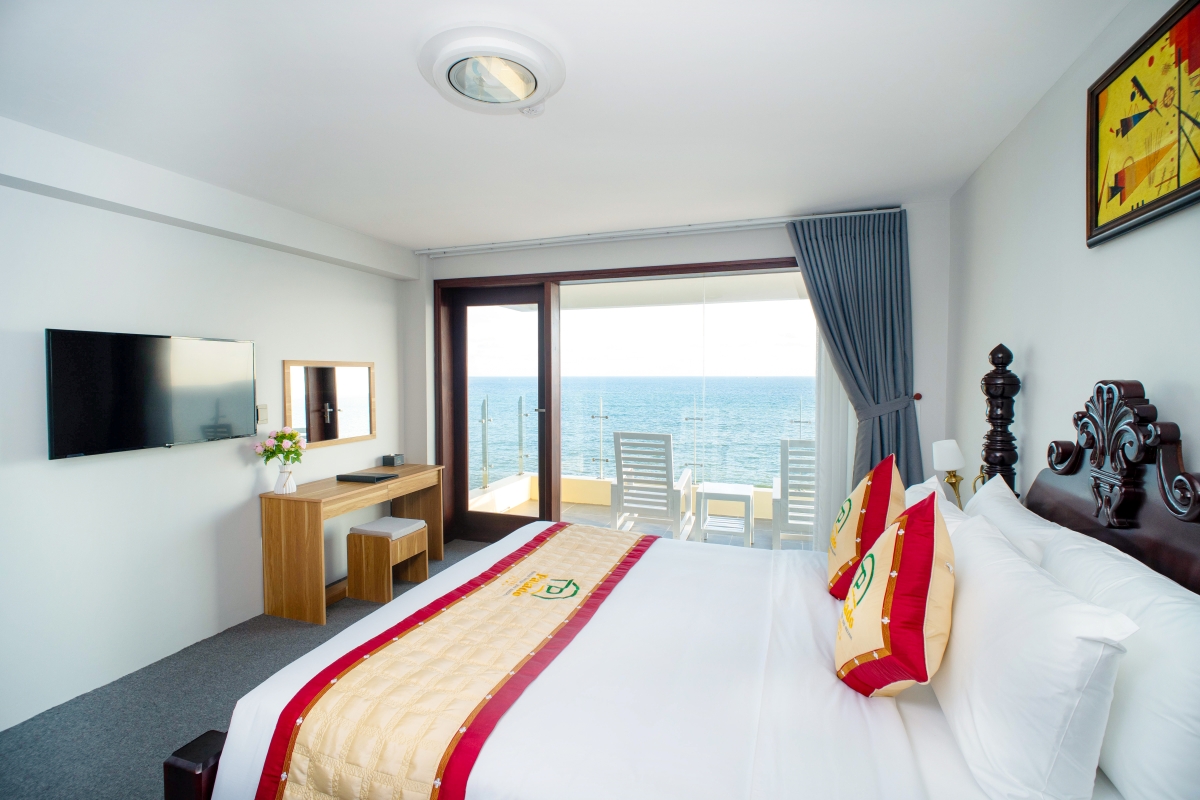
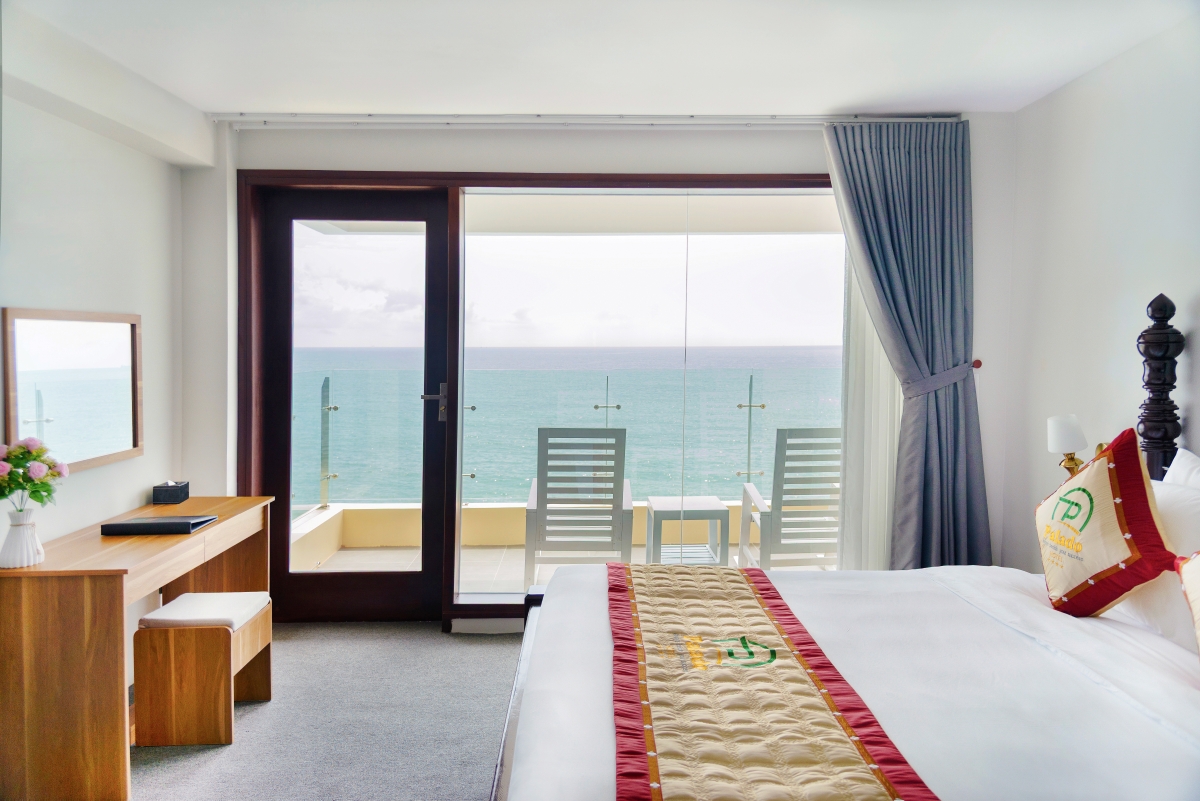
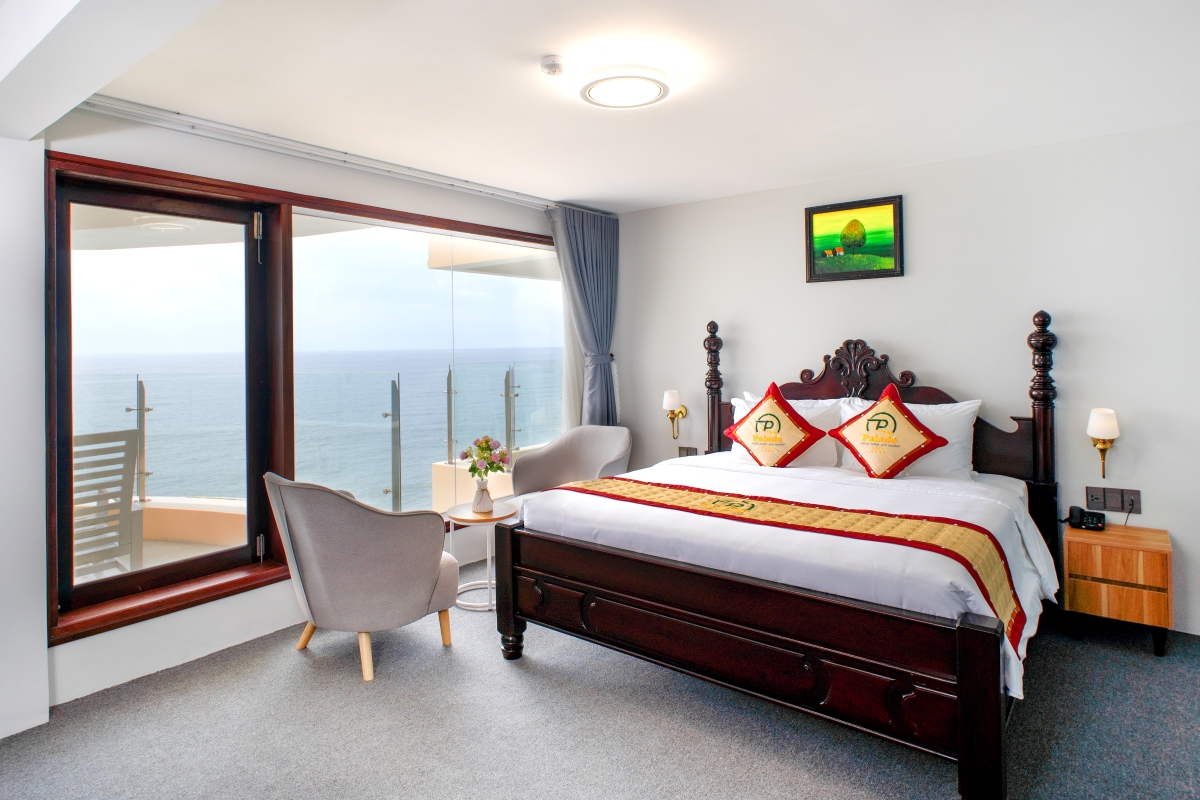
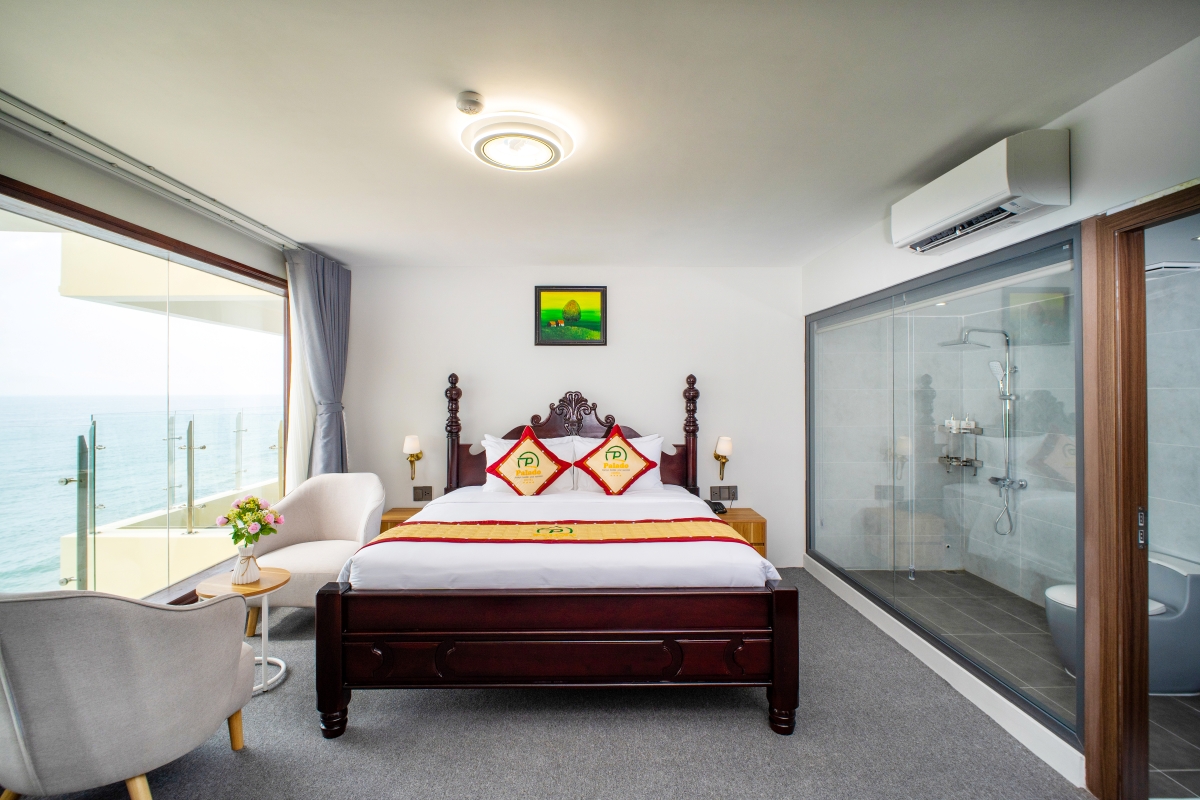
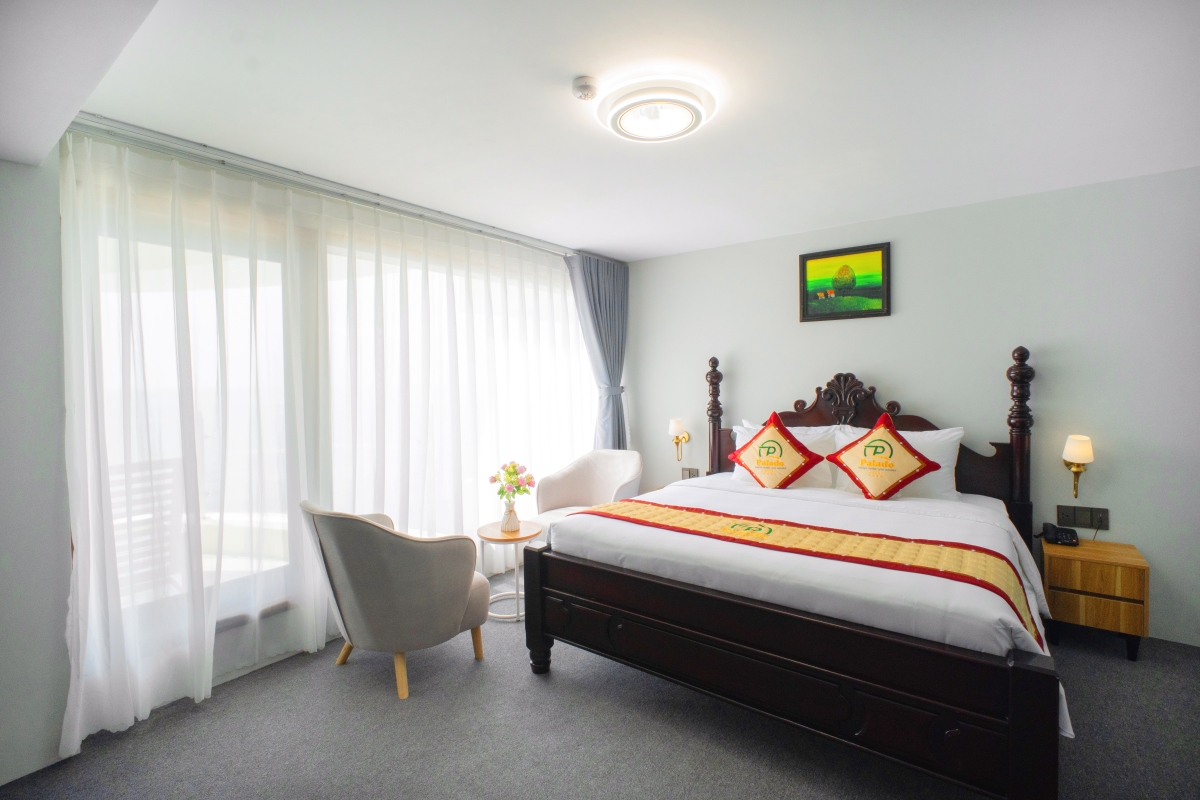
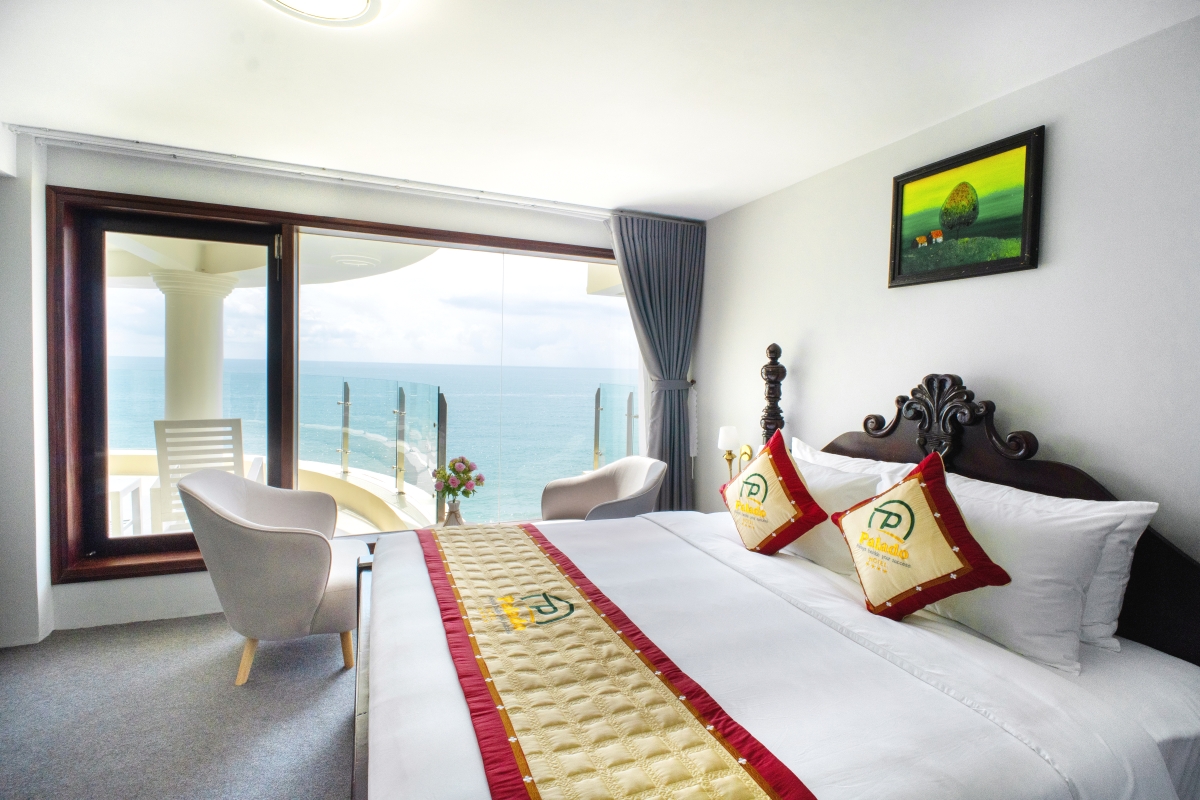
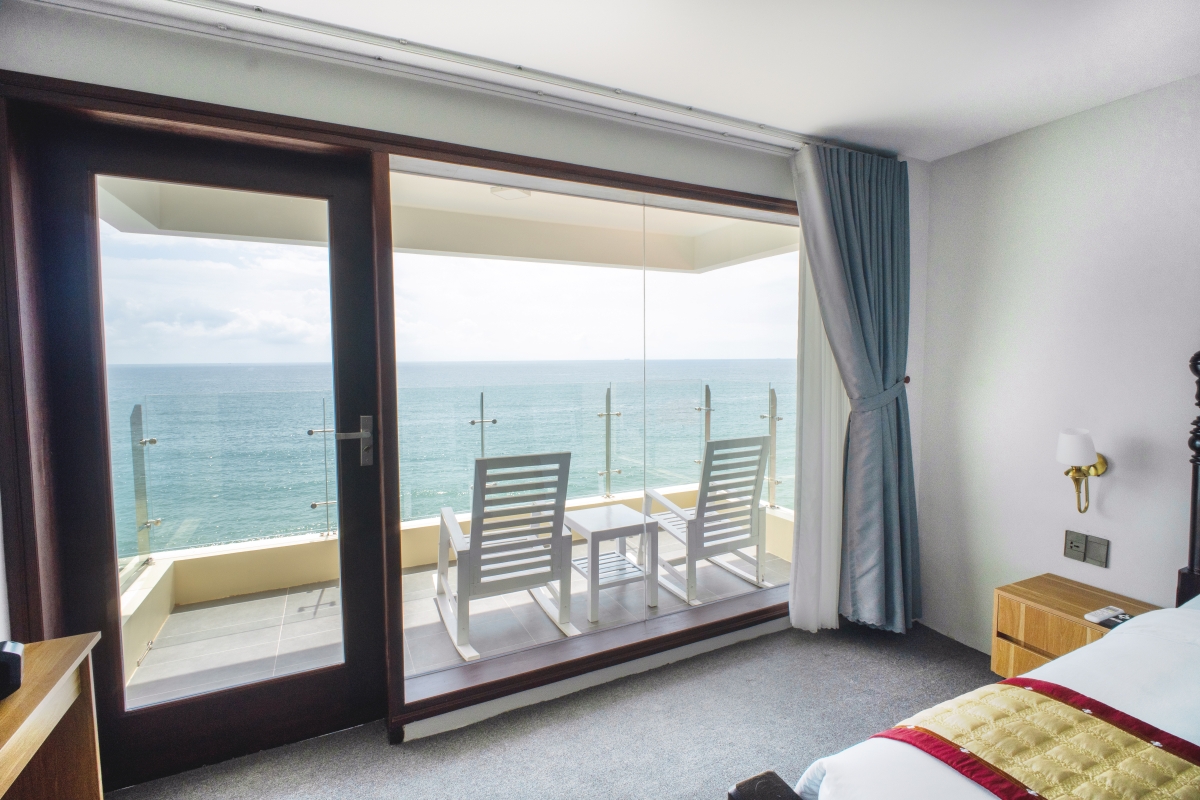
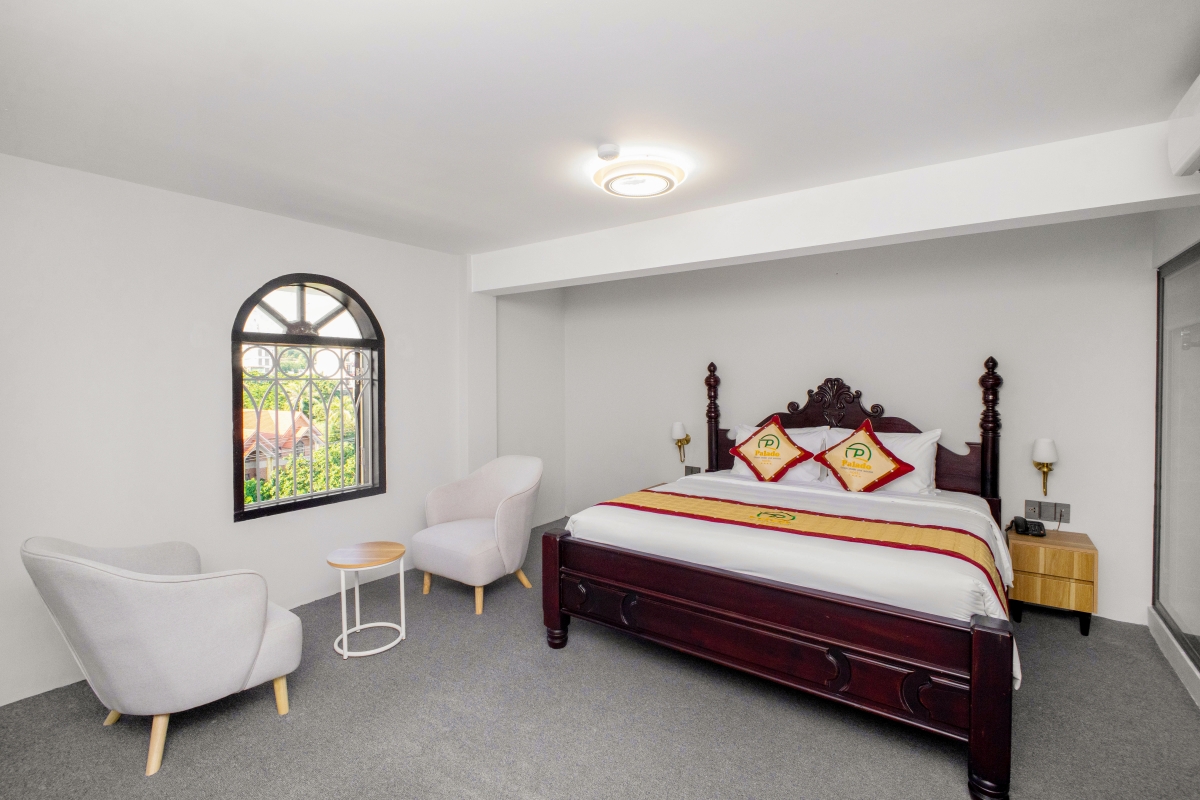
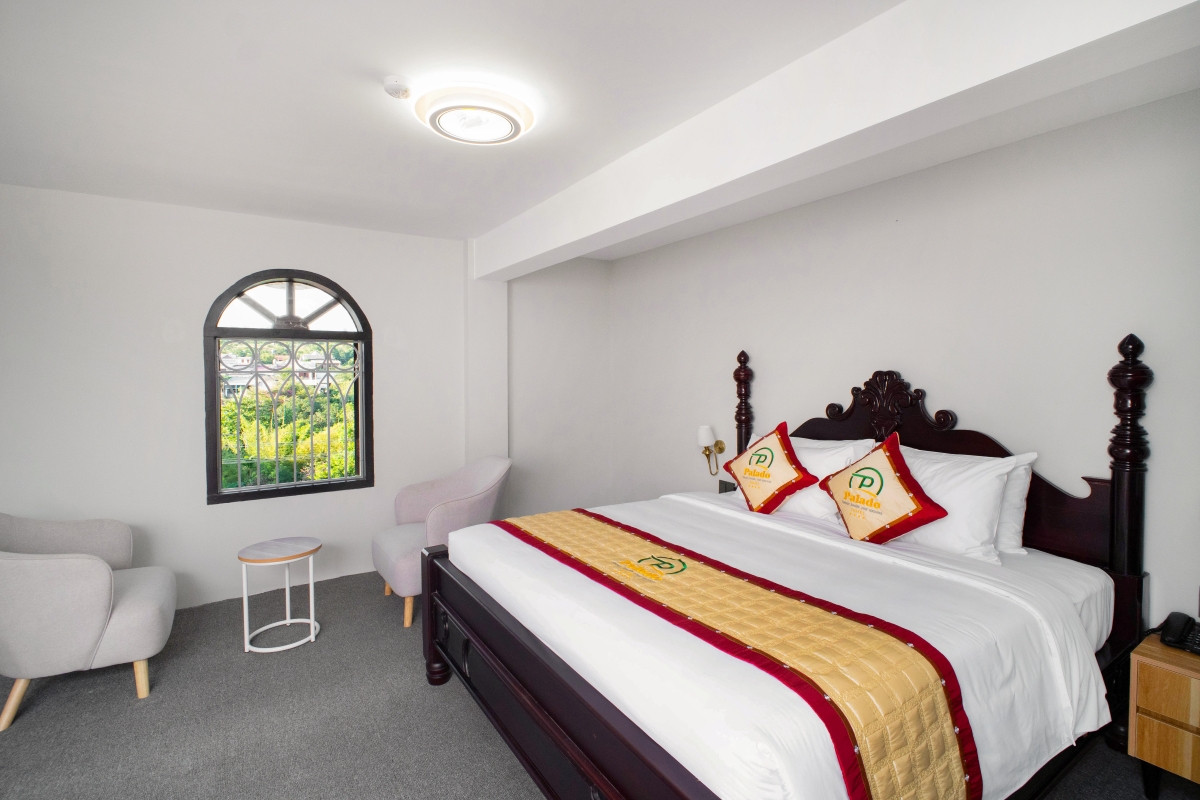
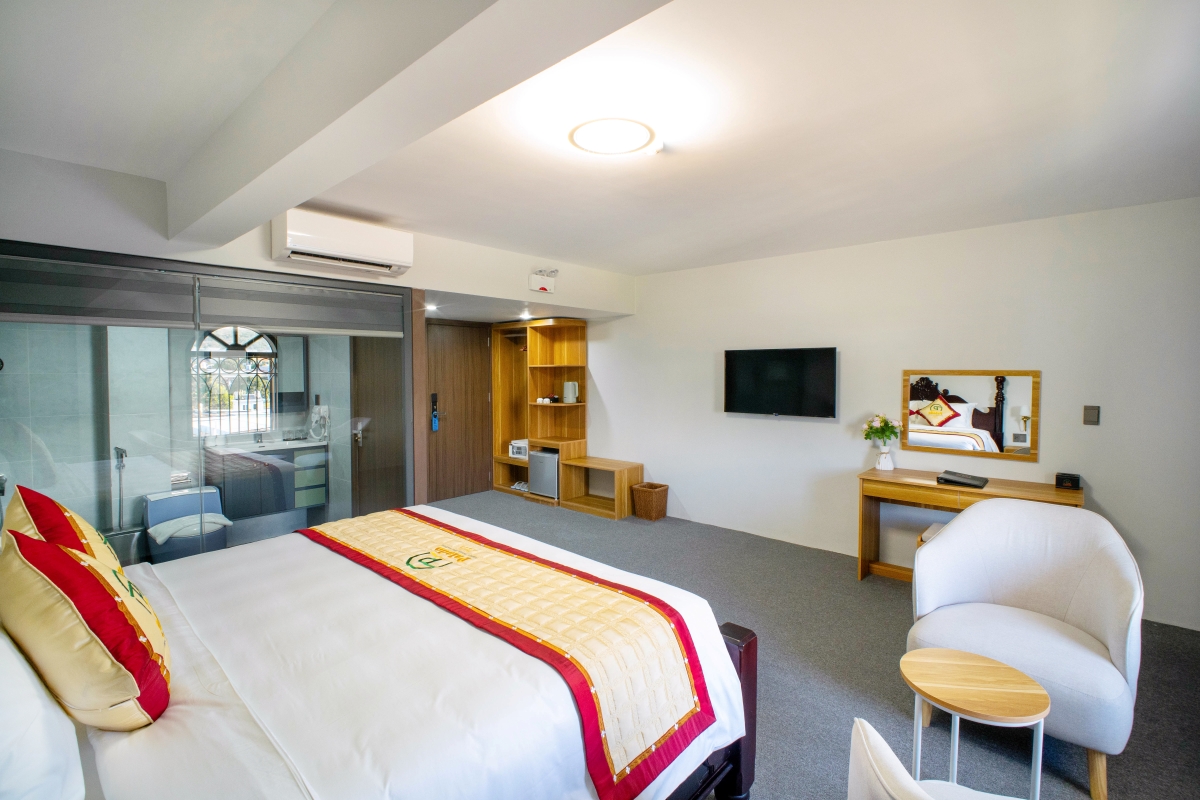
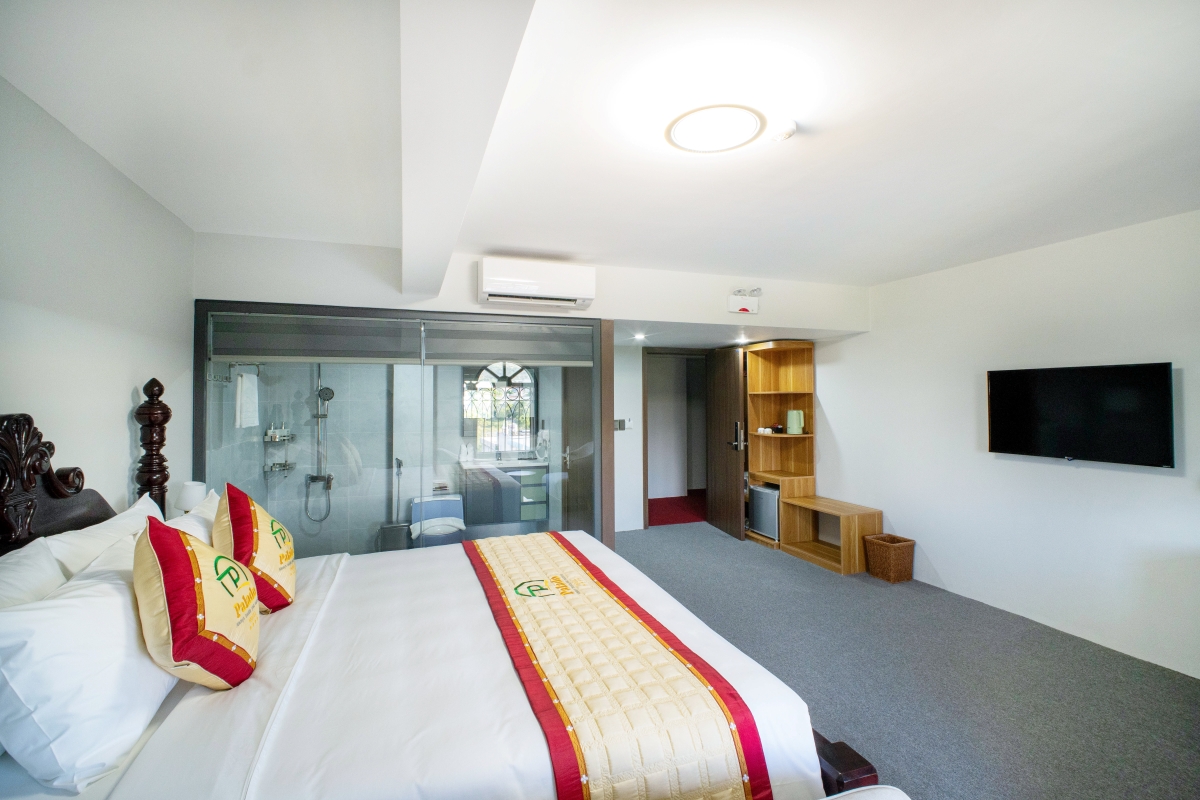
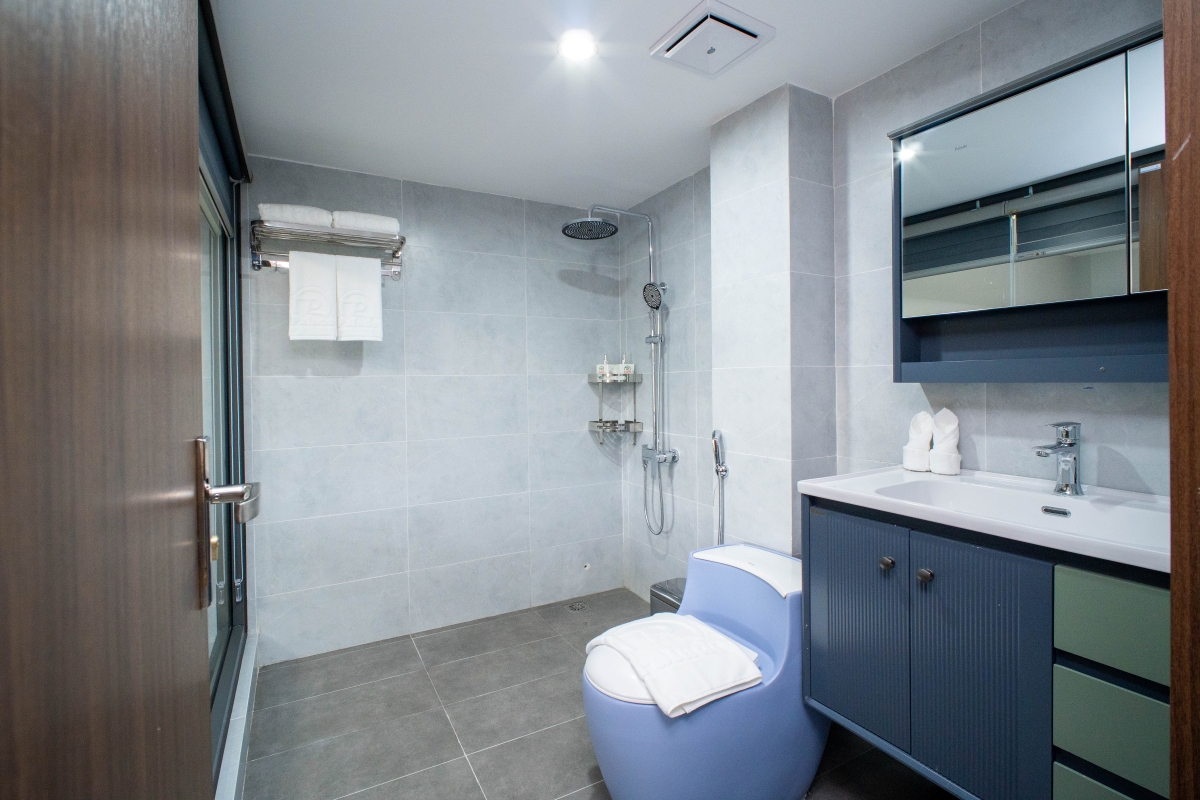
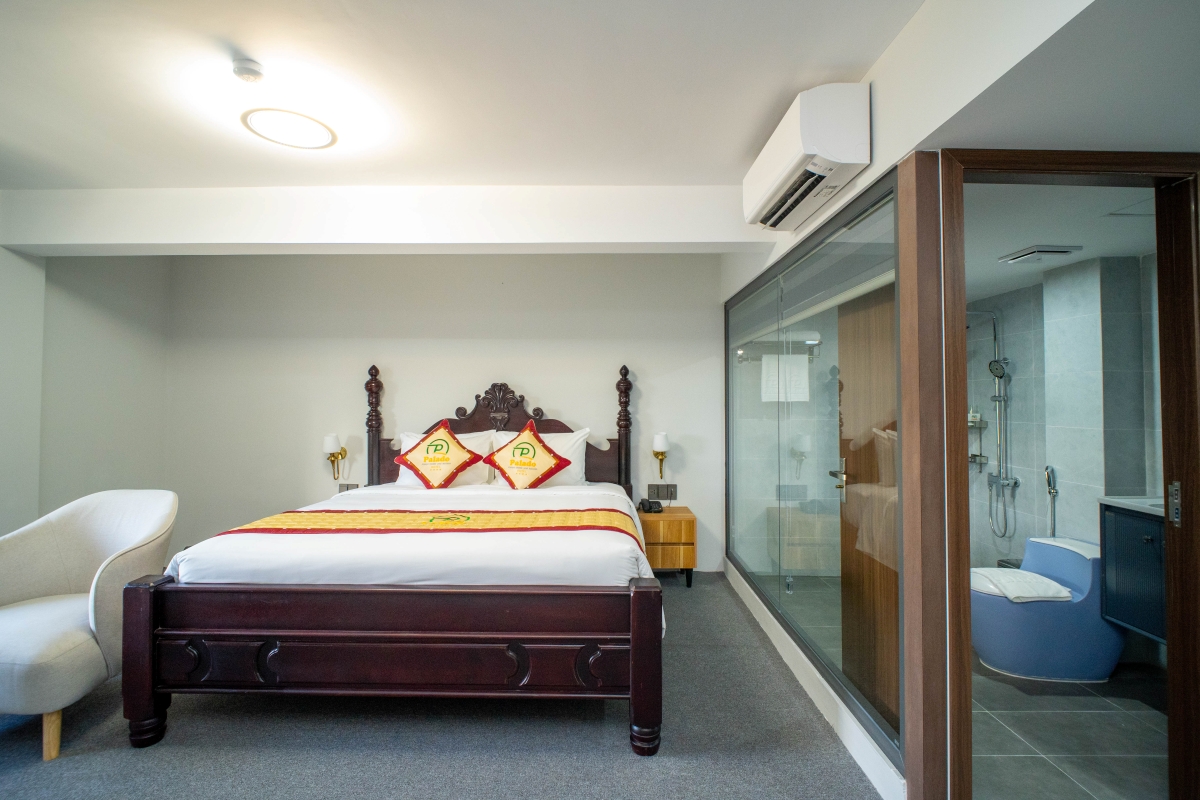
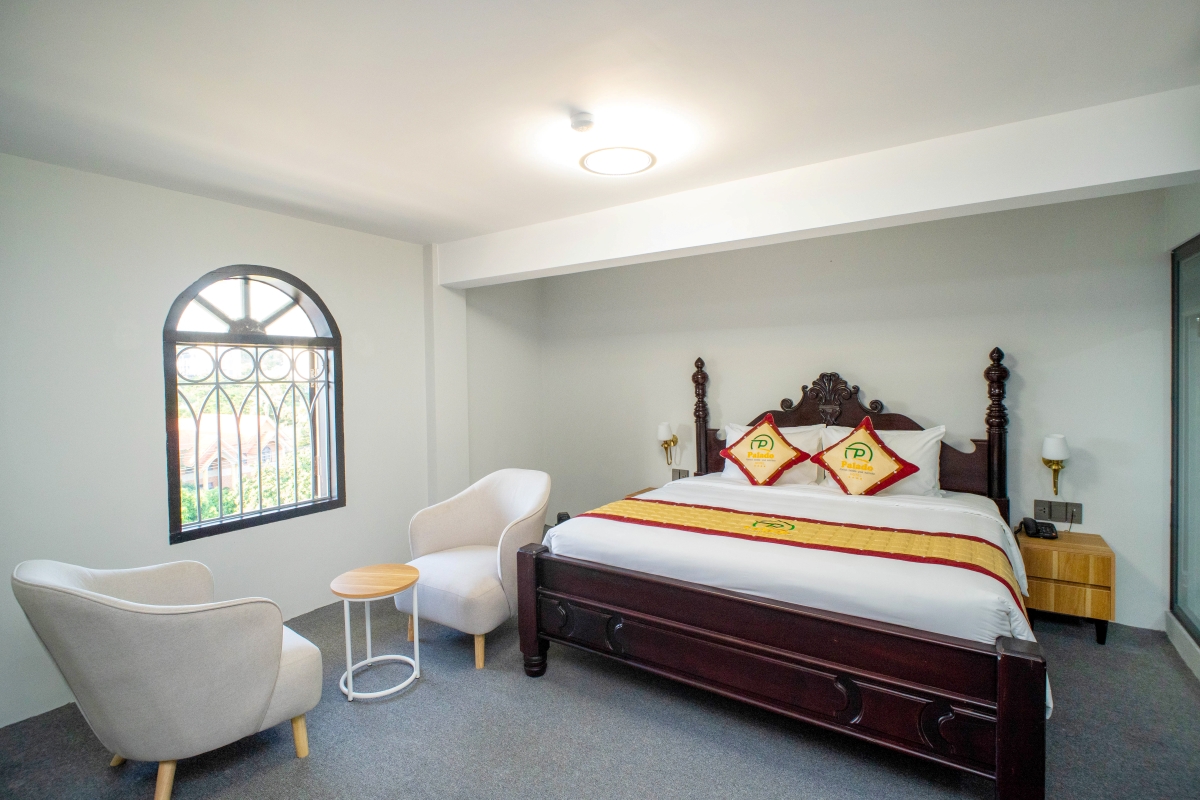
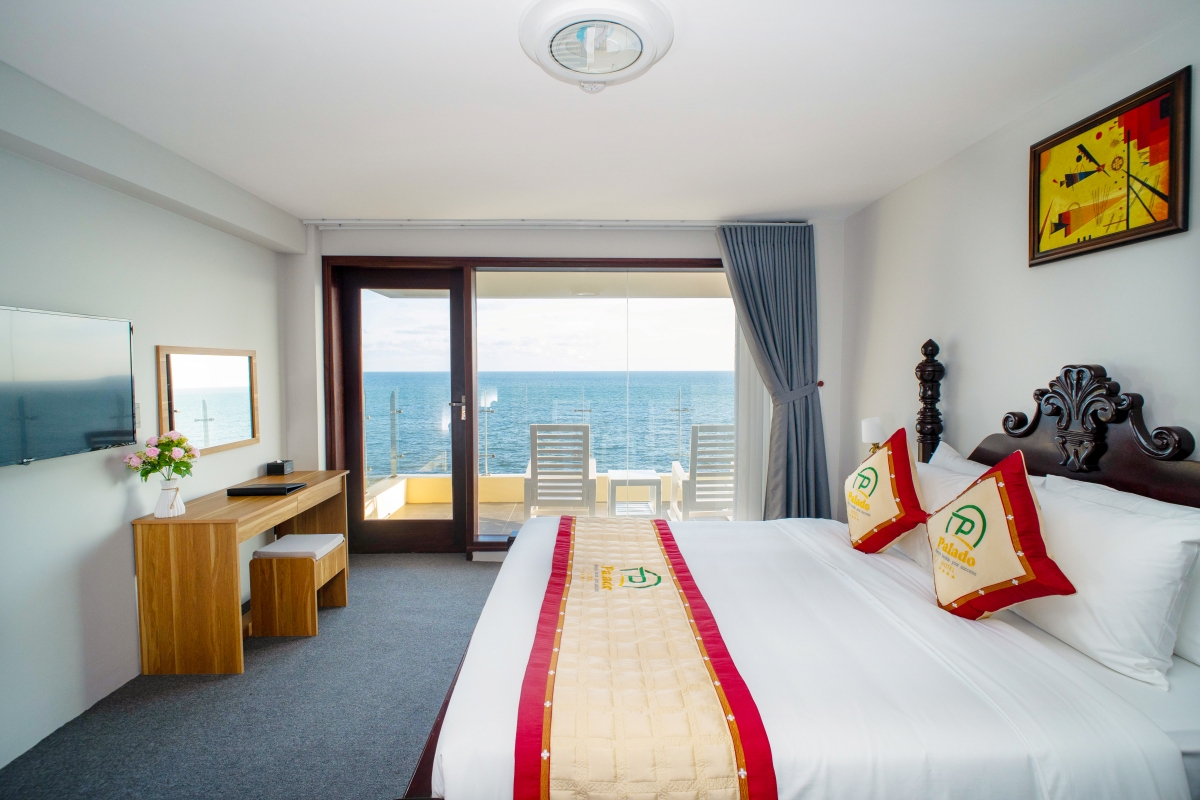
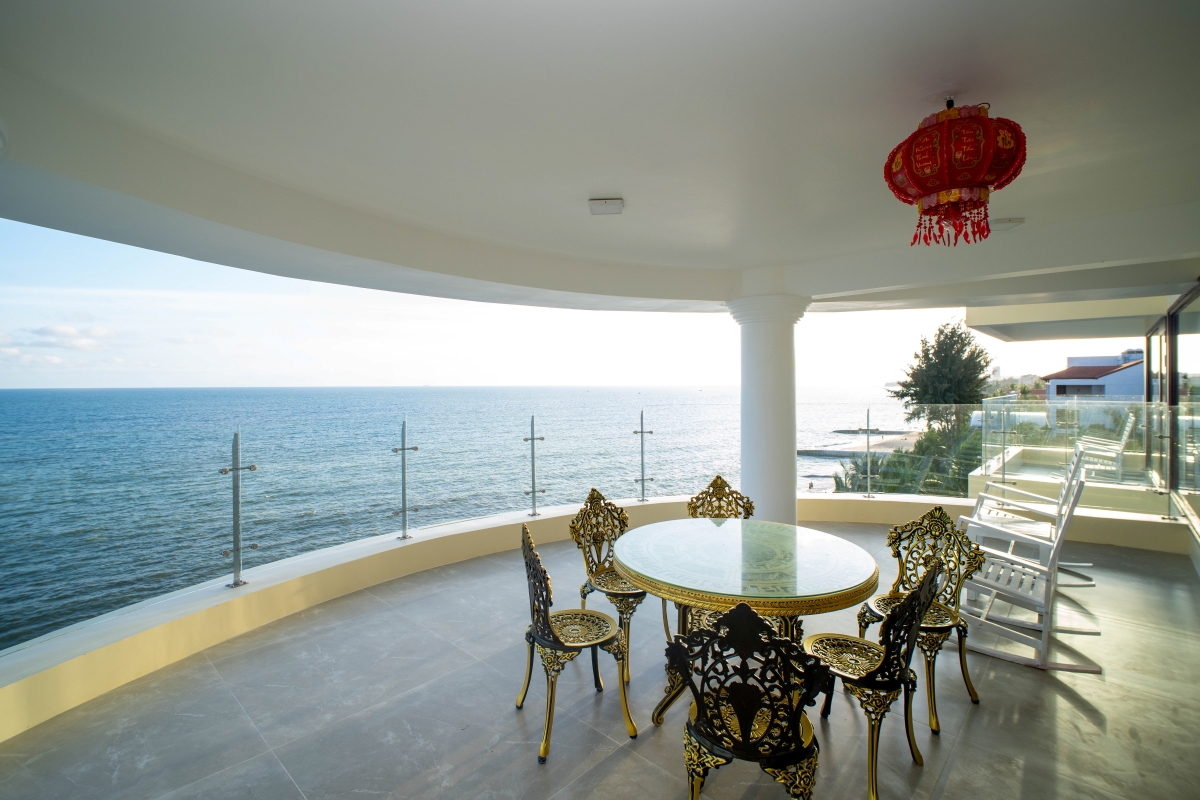
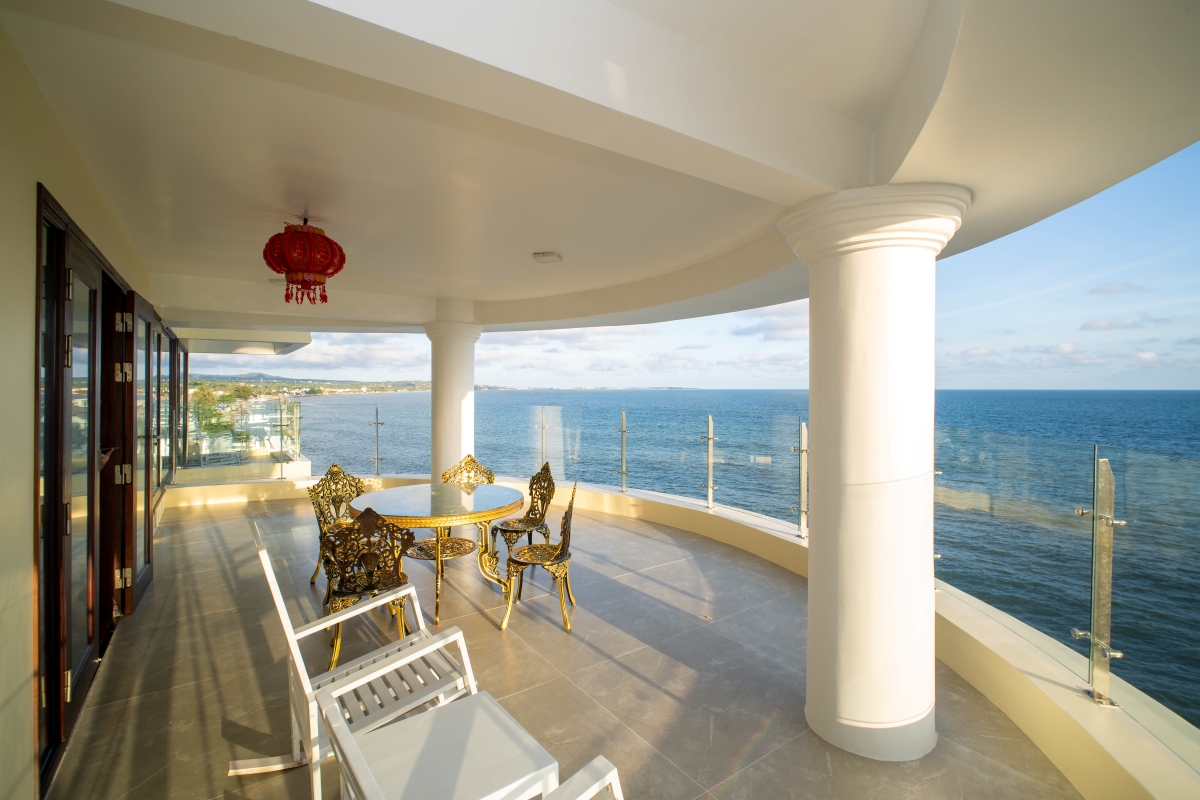
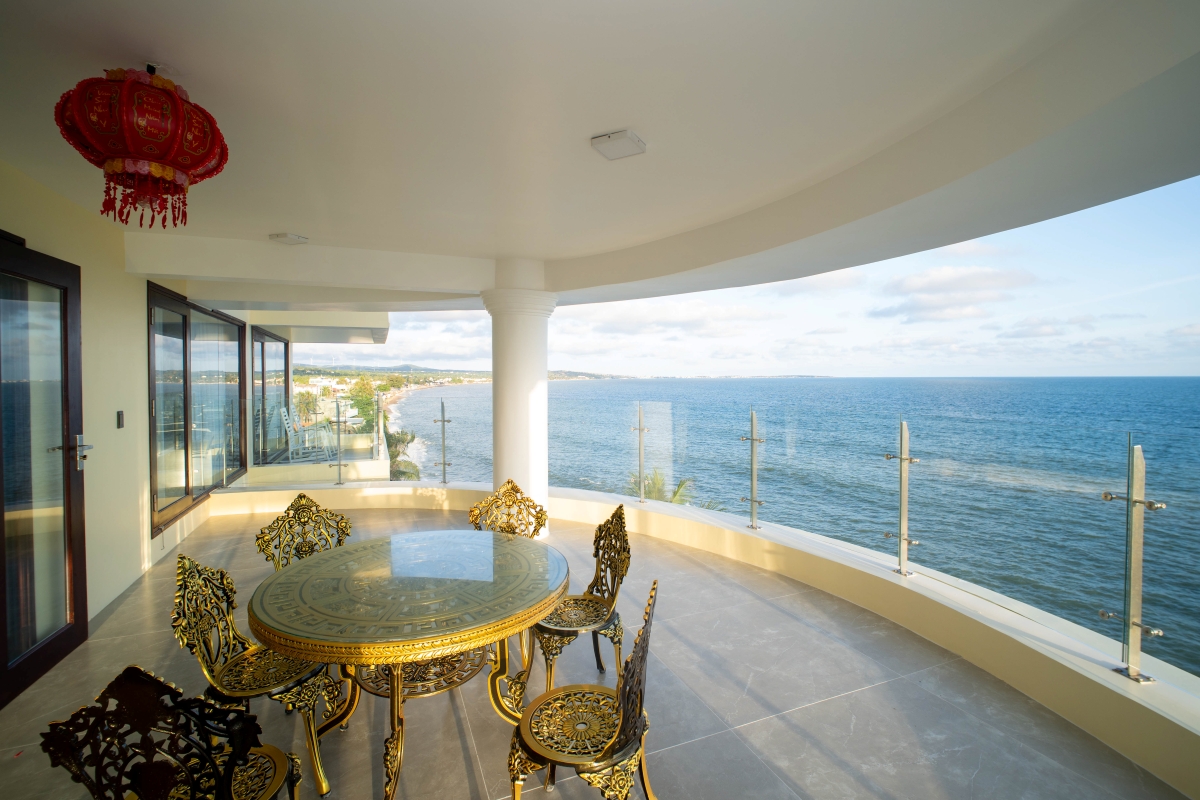
The hotel’s aesthetic philosophy revolves around minimalist elegance, characterized by bold structural lines that exude sophistication and expansive floor-to-ceiling glass windows that seamlessly invite the outdoors in, allowing natural sunlight and refreshing sea breezes to permeate every corner of the property. This thoughtful integration creates an atmosphere where guests feel harmoniously connected to the rhythmic ebb and flow of the ocean. Each guest room at Palado Hotel is meticulously crafted as a private sanctuary, featuring refined furnishings that blend comfort with style, supremely comfortable beds draped in high-thread-count linens for ultimate restfulness, ergonomic workspaces for those who need to stay connected, and subtle ambient lighting that enhances the serene and calming ambiance after a day of exploring Mui Ne’s attractions.
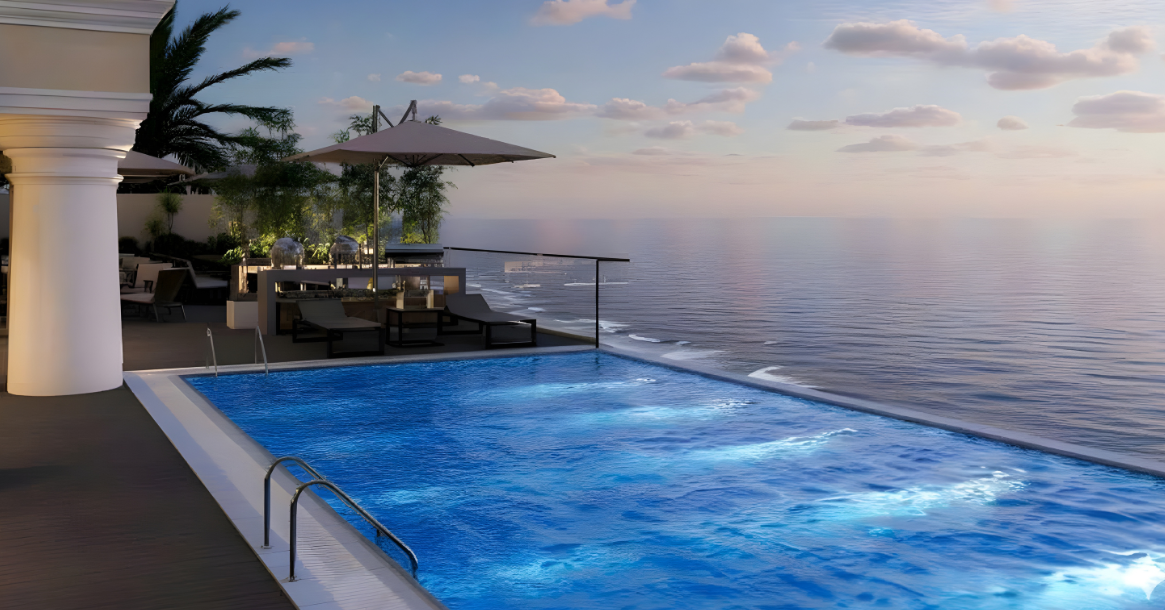
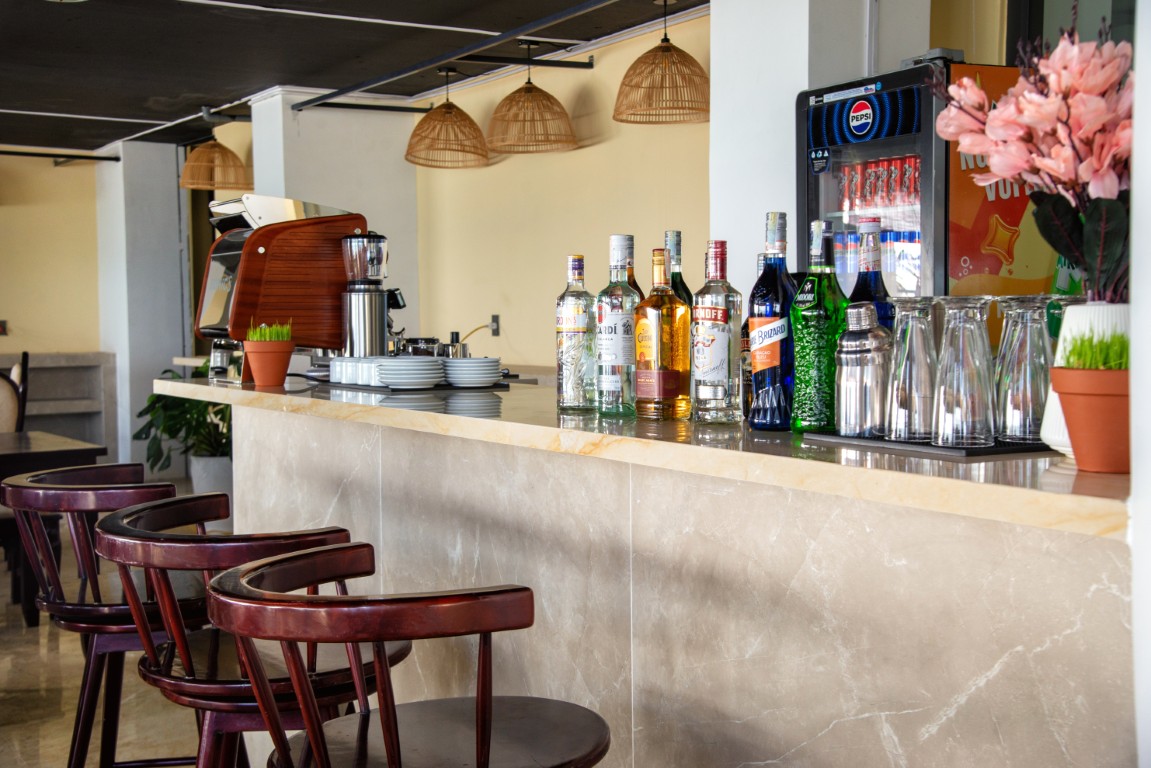
Awakening in Palado Hotel means being greeted by panoramic vistas of the vast ocean and expansive sky, accompanied by the soothing symphony of crashing waves and the invigorating scent of salty sea air, setting an inspiring tone for your daily adventures in Mui Ne. As a distinguished 4-star establishment, Palado Hotel prides itself on an array of premium amenities designed to cater to every guest’s needs. The infinity-edge swimming pool, ingeniously designed to create the optical illusion of merging seamlessly with the horizon of the sea, offers a refreshing dip with unparalleled views. The rooftop coffee lounge serves as a vantage point for enjoying sweeping coastal panoramas while sipping on expertly brewed beverages, and the Palado Spa provides a haven for rejuvenation, where skilled therapists administer indulgent treatments using aromatic essential oils amidst lush, tropical garden settings that evoke a sense of tranquility and wellness.
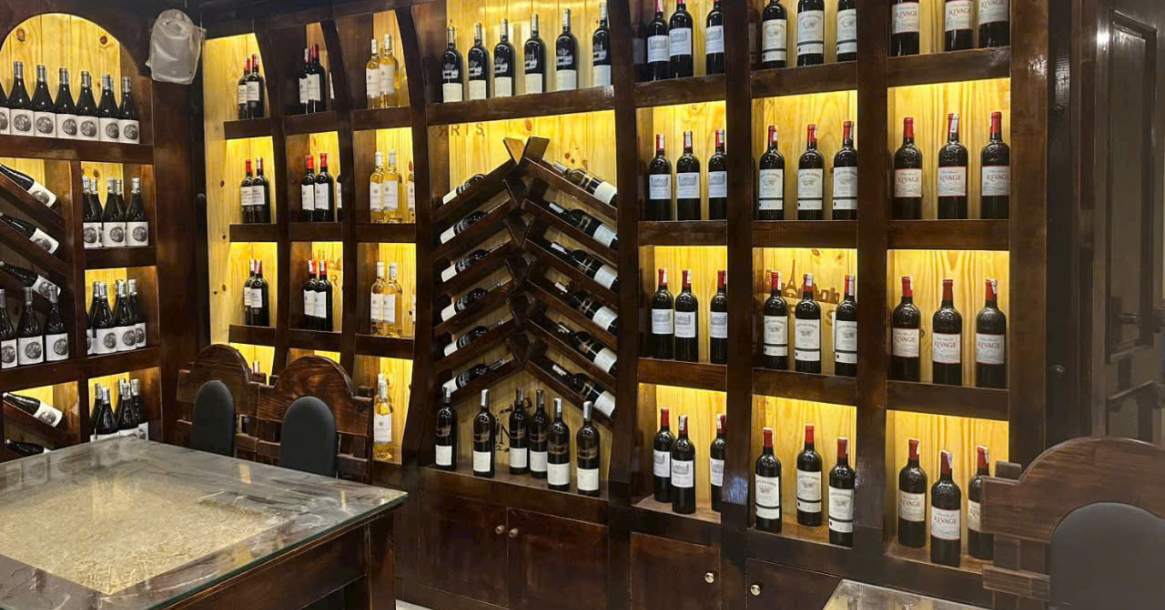
Dining at Palado Hotel elevates the culinary experience to new heights, with two onsite restaurants that artfully blend the flavors of Asian and Western cuisines, all served against the backdrop of stunning ocean vistas that enhance every meal. The beachfront dining venue boasts an open-concept design that ensures unobstructed views of the sea, allowing guests to dine while feeling the gentle ocean breeze. Complementing this is the hotel’s unique underground wine cellar—a pioneering feature in the Phan Thiet-Mui Ne region—that transports patrons to a European-inspired enclave with its rustic stone walls, fragrant pine accents, and a curated selection of wines paired with gourmet delicacies by knowledgeable sommeliers. Beyond dining and relaxation, Palado Hotel offers practical conveniences such as a specialty shop brimming with authentic Mui Ne souvenirs and local handicrafts, a dedicated Tour & Travel Desk staffed with experts who can arrange personalized excursions to the area’s must-visit attractions, and rental services for motorbikes and bicycles, enabling guests to explore the surroundings at their own leisurely pace.
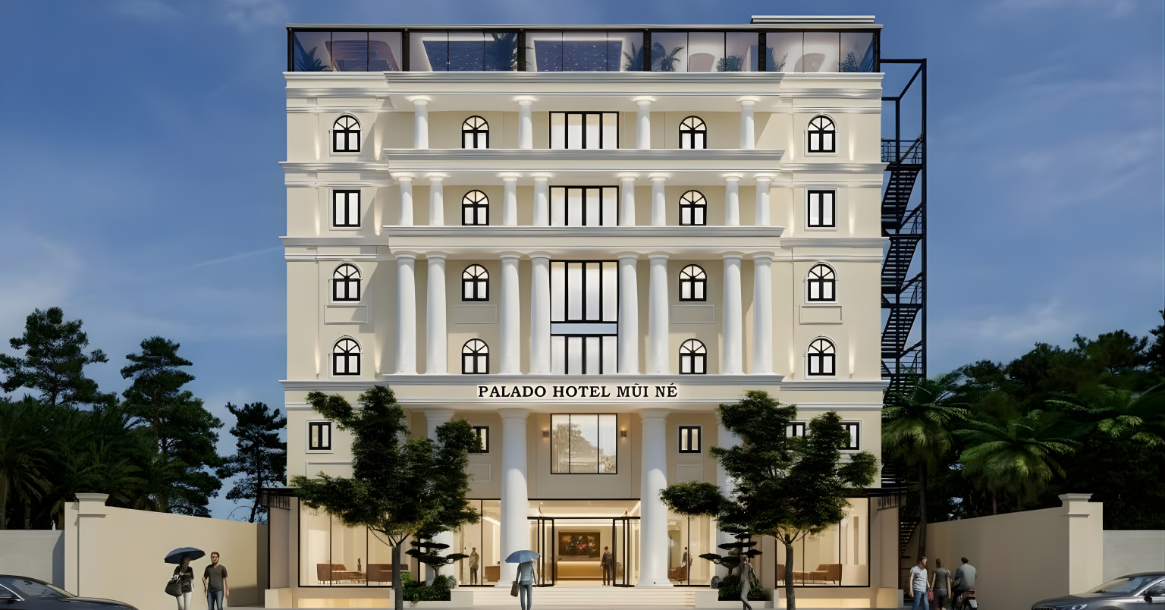
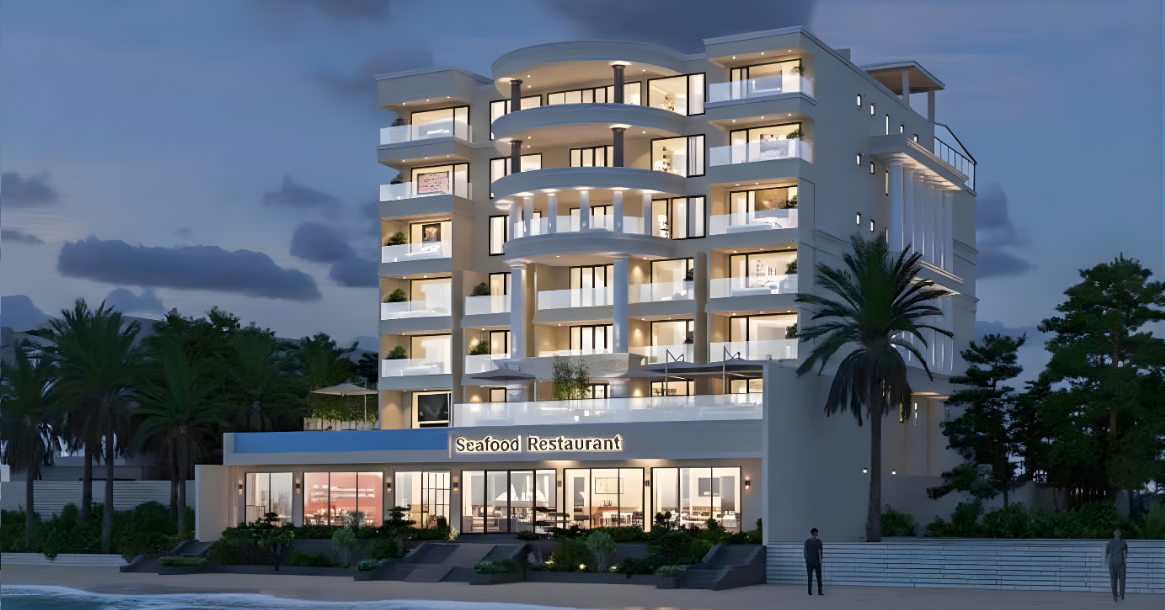
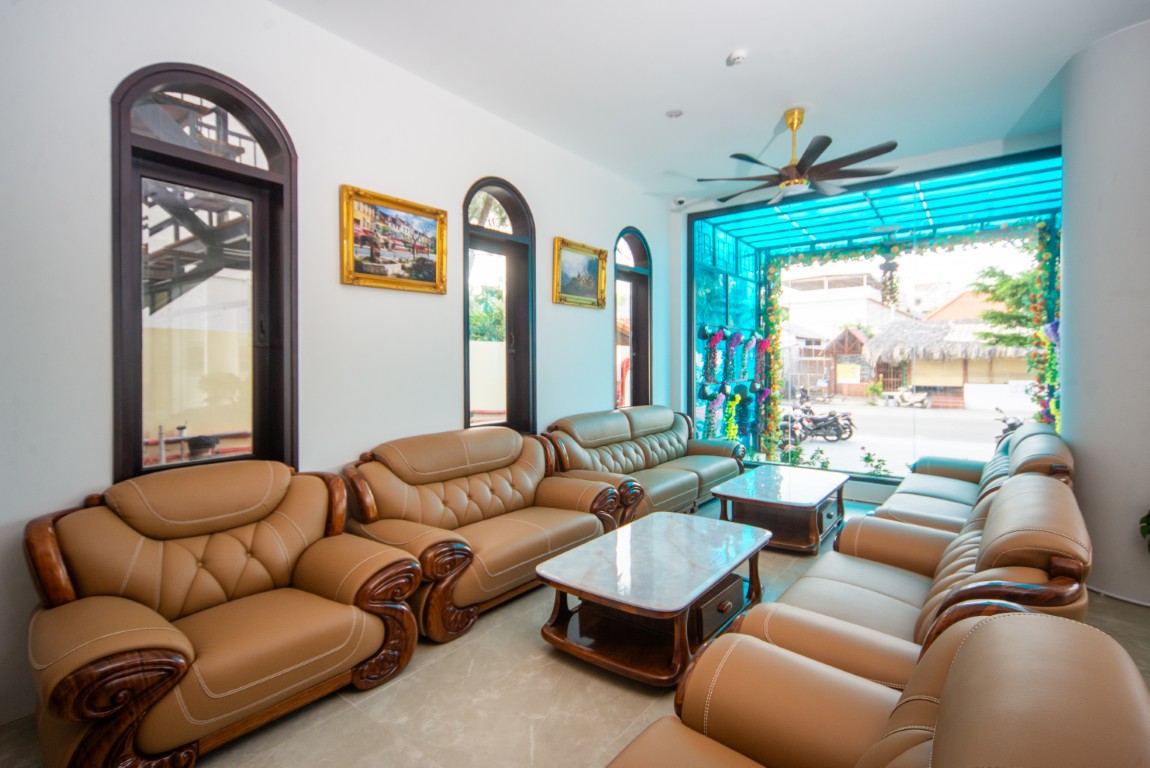
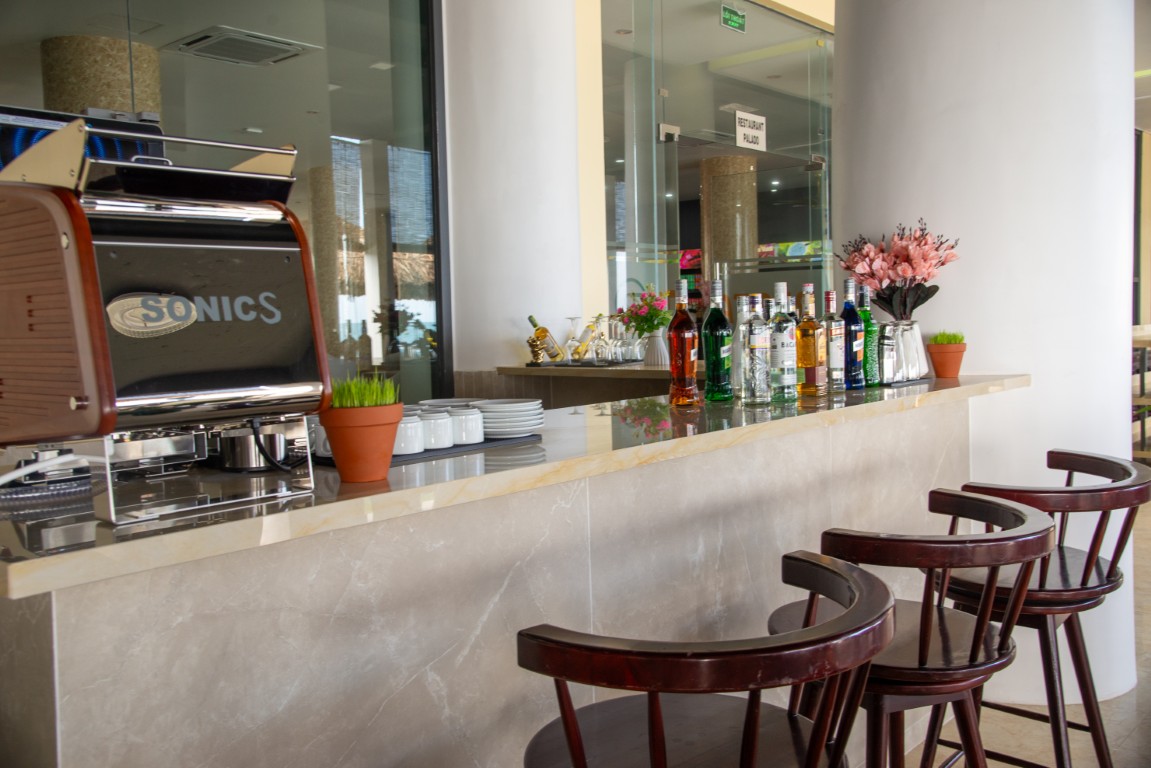
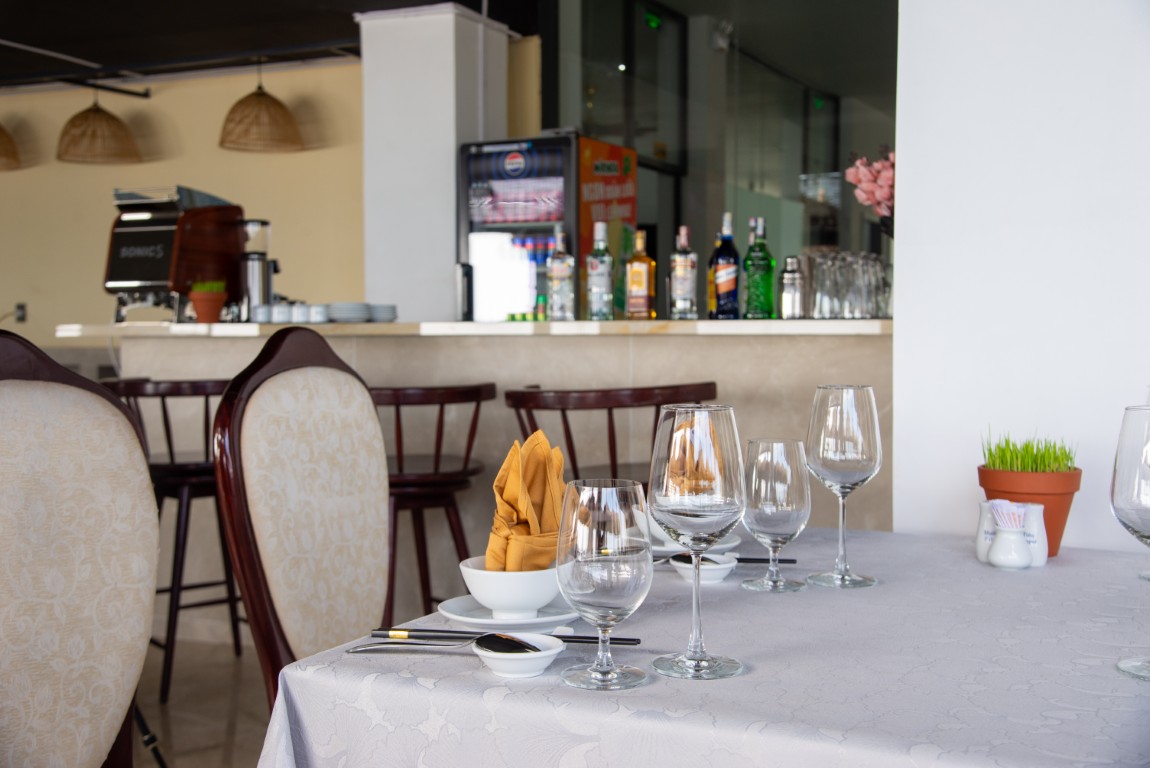
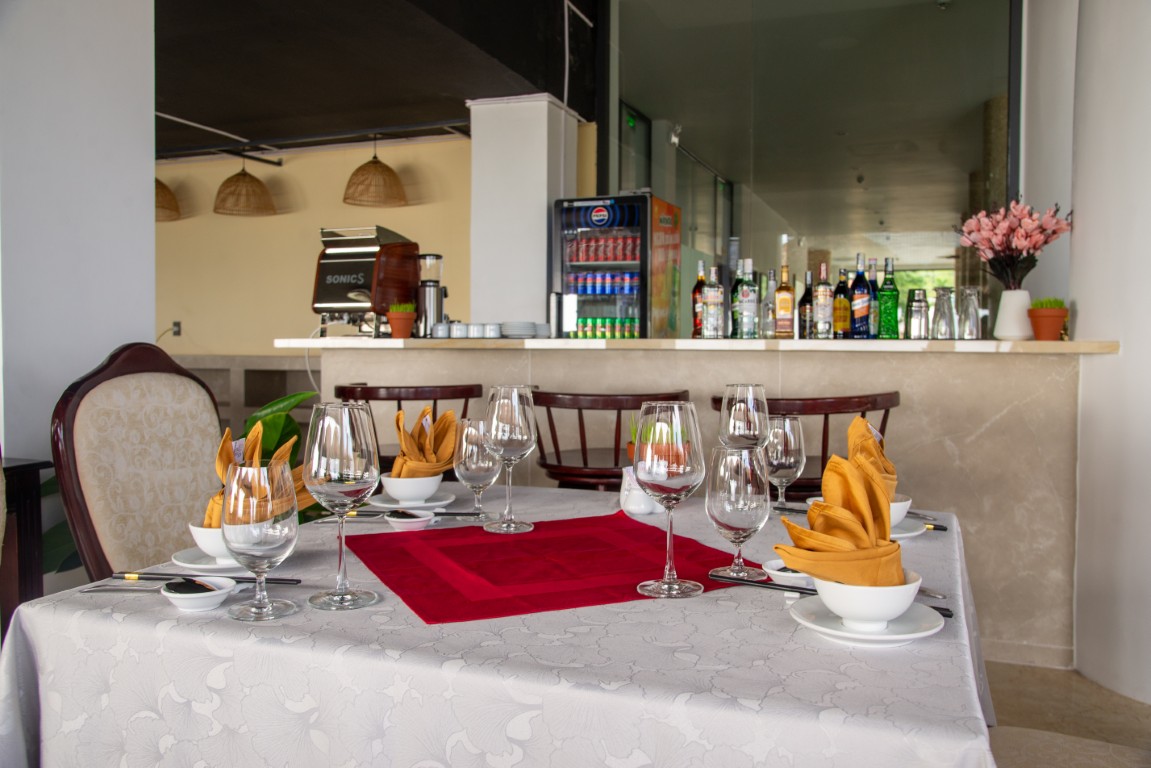
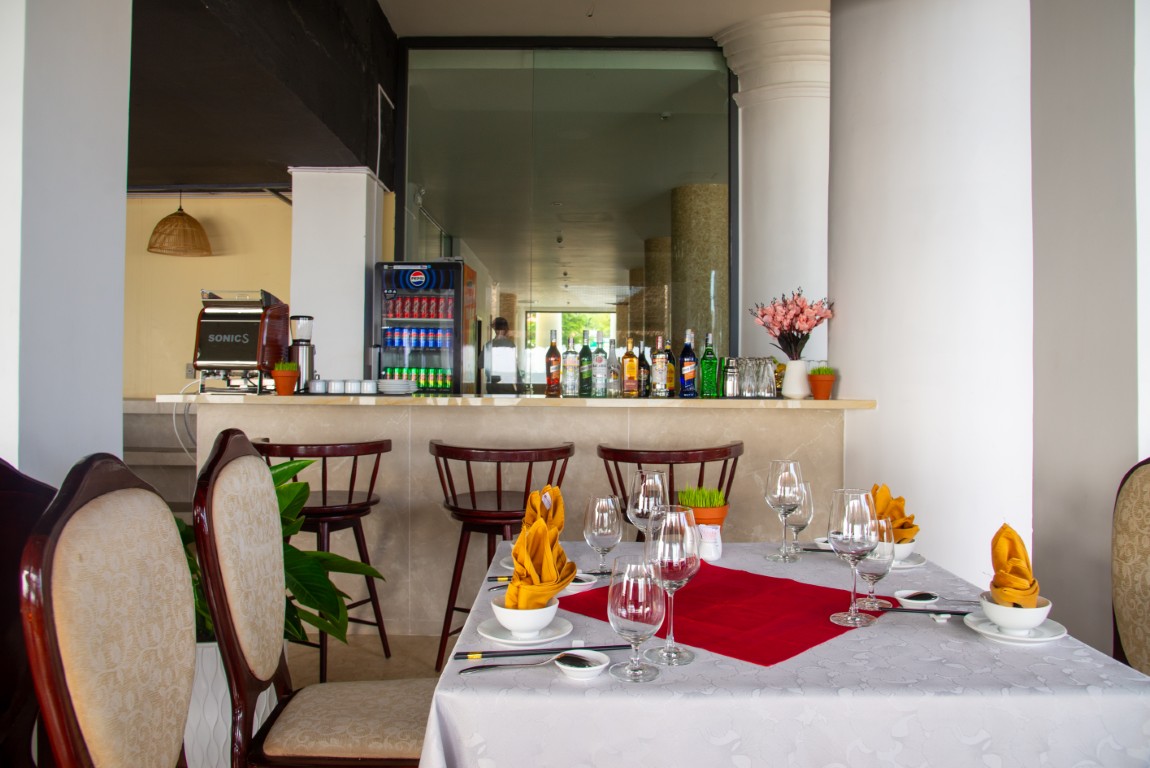
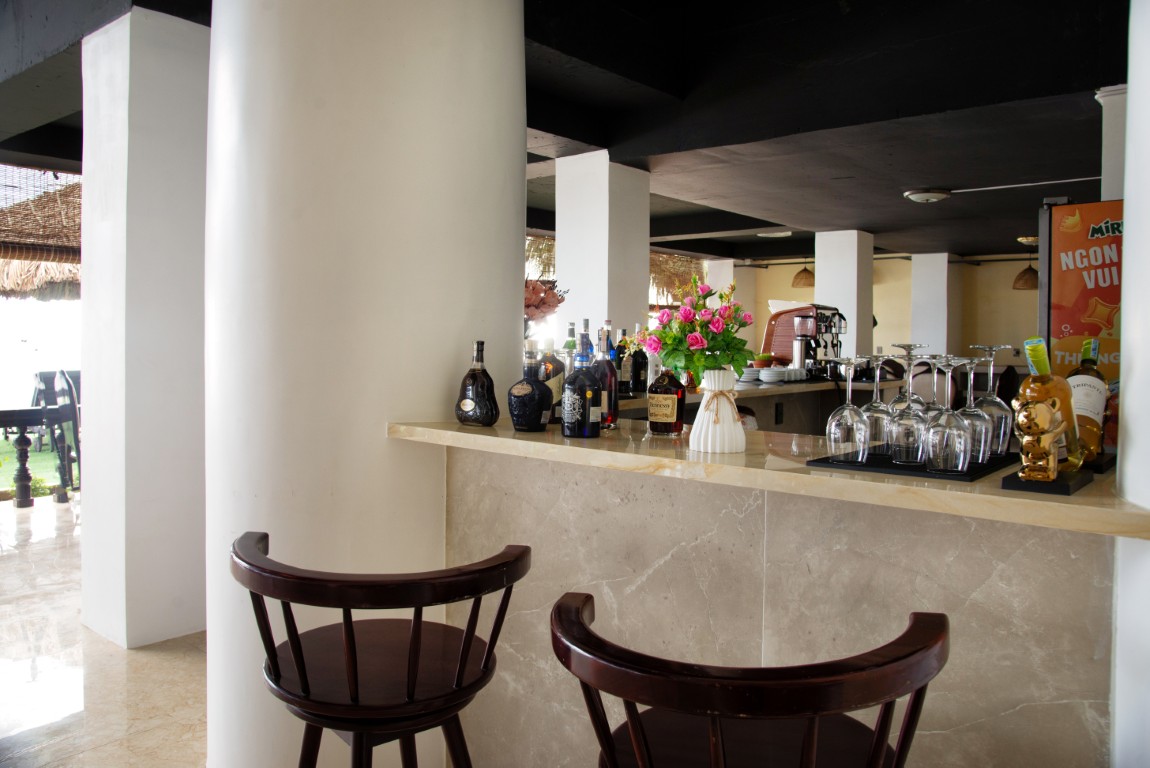
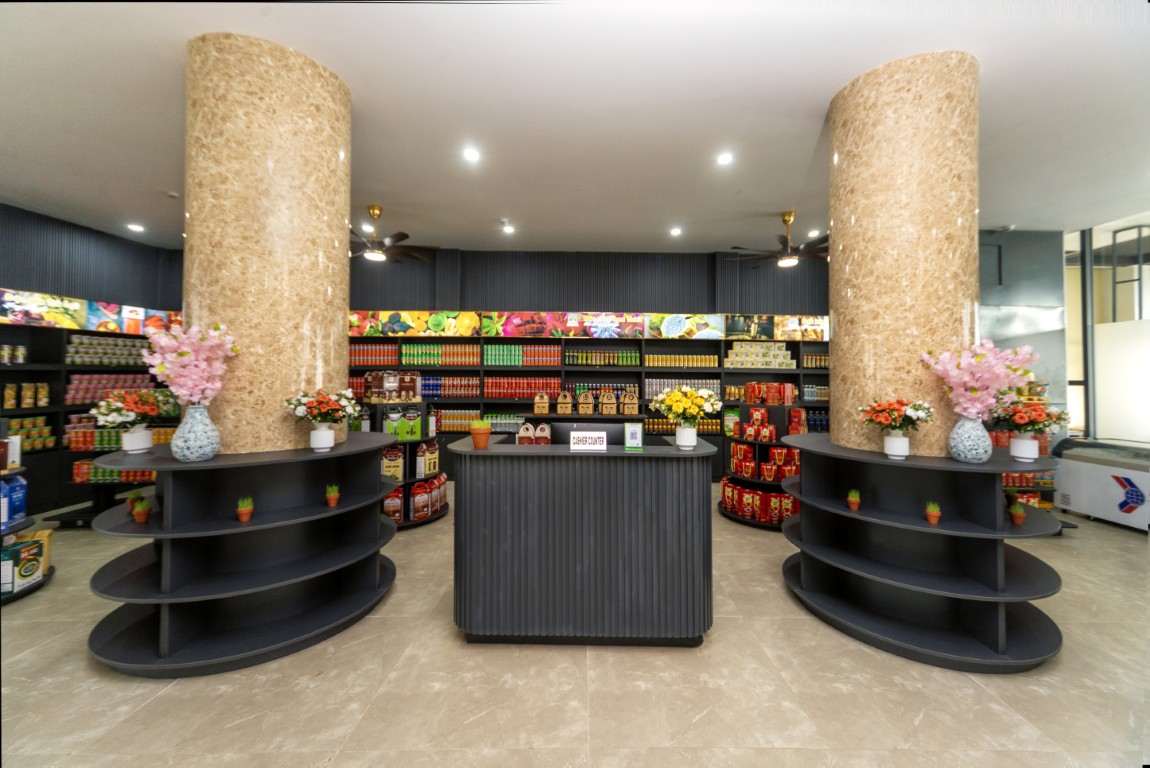
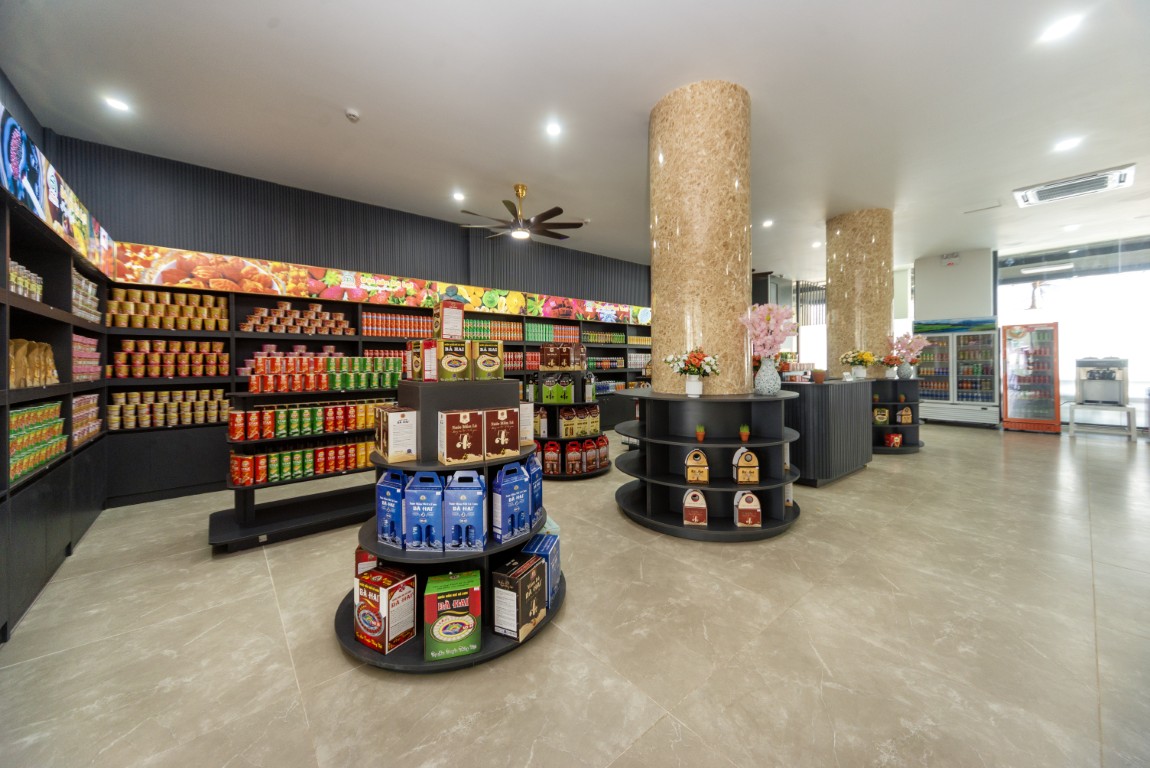

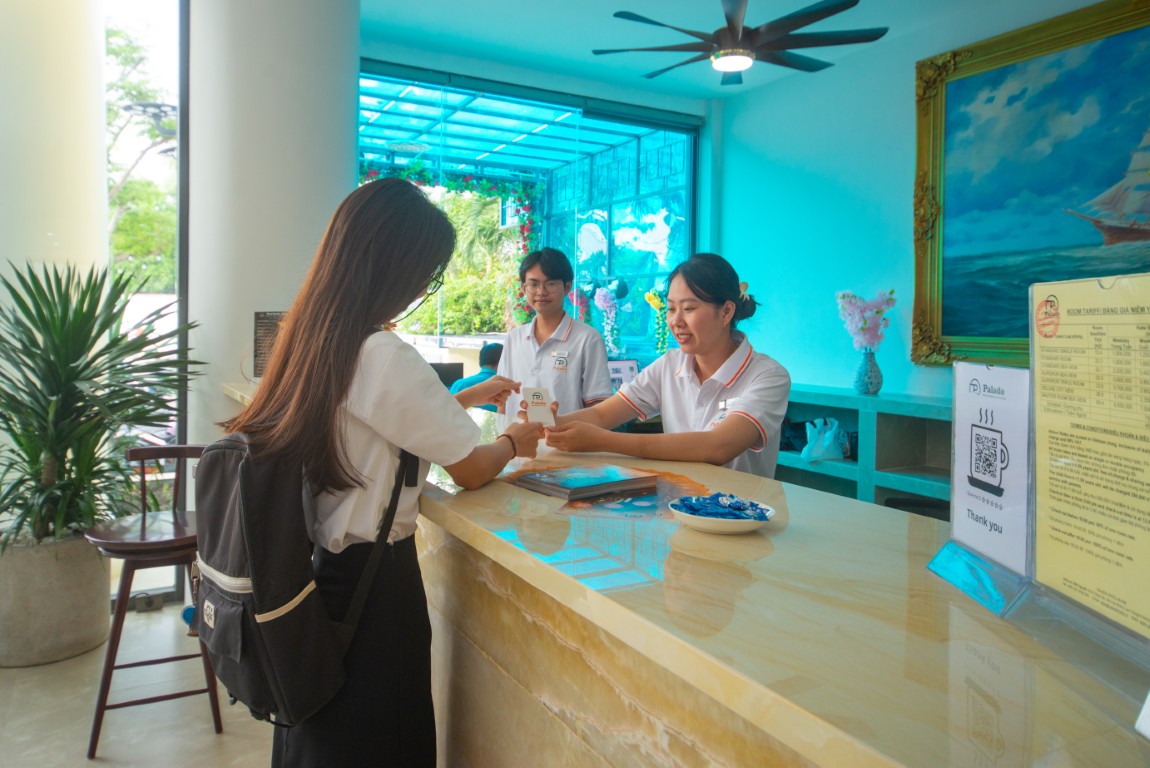
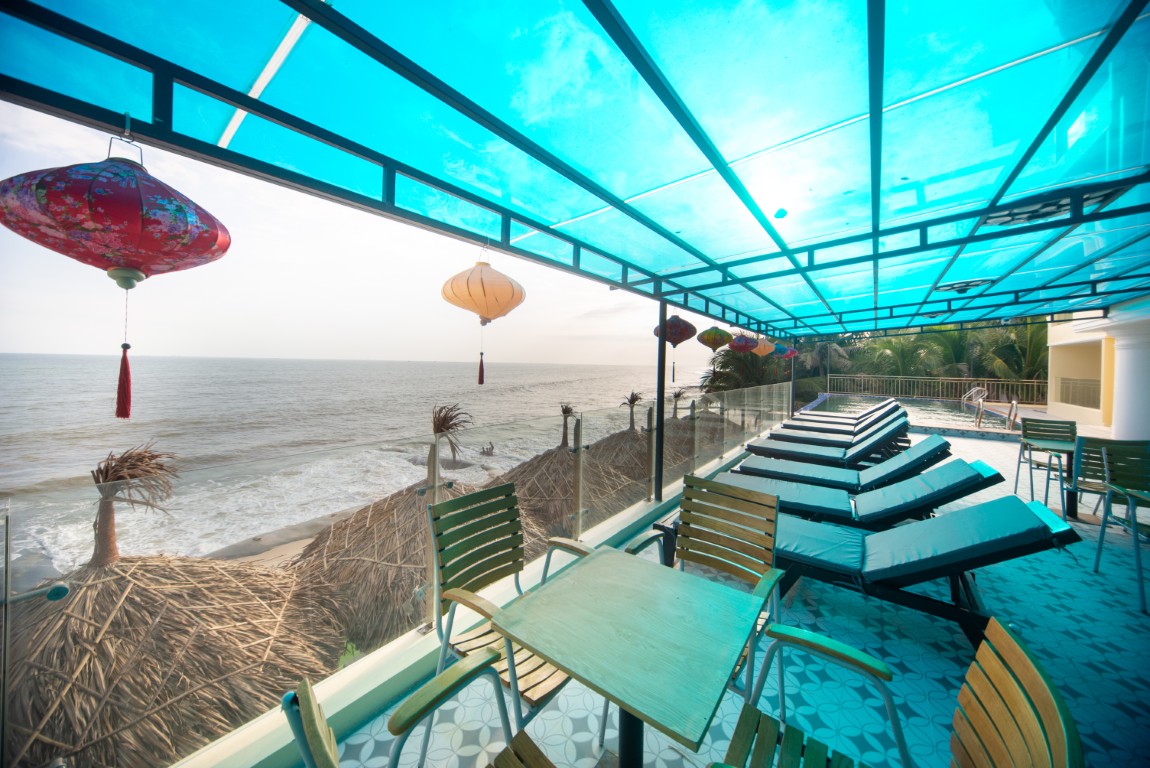
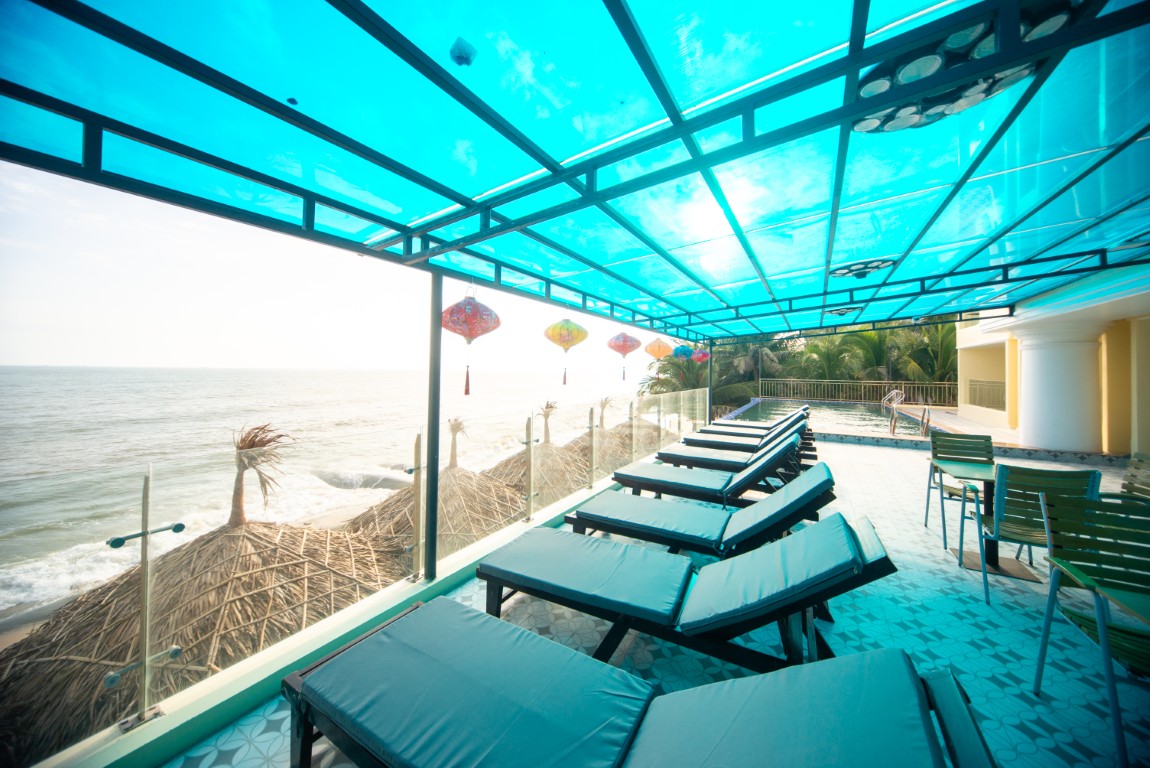
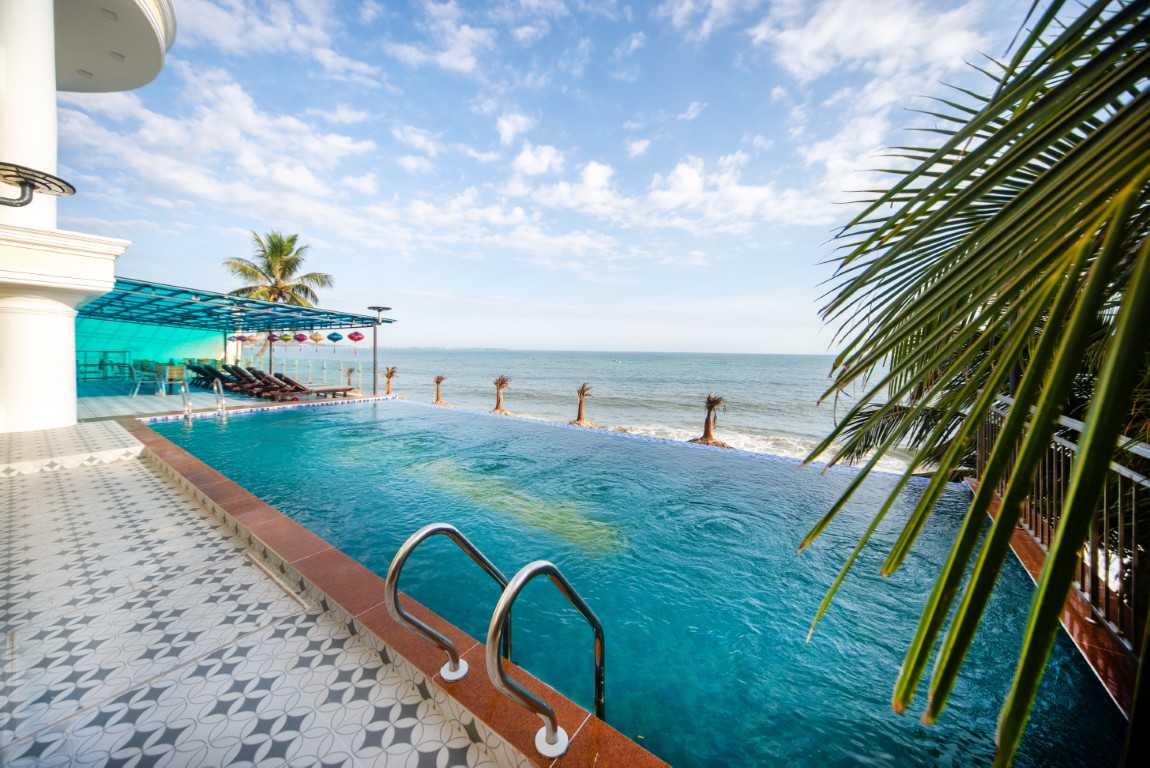
Whether you are a solo traveler in search of solitude and self-discovery, a couple seeking romantic interludes amidst scenic beauty, or a family eager to create shared memories through adventures, Palado Hotel encapsulates the very spirit of Mui Ne, transforming your stay into a rich tapestry woven with threads of luxury, comfort, cultural immersion, and unforgettable moments. Its prime location along the Ham Tien coastline places you within easy reach of iconic sites like the sand dunes and Fairy Stream, making it an ideal launchpad for your explorations. For reservations, detailed amenities, and to begin planning your stay, visit Palado Hotel.
History and Culture of Mui Ne: Foundations of Its Must-Visit Attractions
The magnetic appeal of Mui Ne as a hub teeming with must-visit tourist attractions is profoundly rooted in its layered history and vibrant cultural tapestry, which provide a contextual backdrop that enriches every visitor’s experience. Mui Ne’s historical narrative begins with the ancient Champa Kingdom, a sophisticated maritime civilization that dominated southern and central Vietnam from the 4th to the 15th century. Influenced by Hinduism from India, the Cham people were renowned for their seafaring expertise, intricate craftsmanship, and architectural prowess, leaving behind enduring legacies such as the Poshanu Cham Towers. These towers, constructed from red bricks without mortar through a technique lost to time, were dedicated to deities like Shiva and Po Sah Inu, serving as places of worship and community gathering. Today, they stand as poignant reminders of Cham spirituality and artistic heritage, hosting annual events like the Kate Festival, where elaborate dances, rhythmic music, and sacred rituals celebrate the Cham identity and foster cultural continuity.
As the centuries unfolded, Mui Ne transitioned from a strategic outpost in the Champa Kingdom to a colonial territory under French rule in the 19th century, which introduced elements like the Ke Ga Lighthouse, a towering beacon built in 1899 to aid navigation along the treacherous coastline. The French influence also brought infrastructural developments that laid the groundwork for modern tourism. Following Vietnam’s independence and the tumultuous years of the Vietnam War—during which Mui Ne remained relatively unscathed compared to other regions—the area experienced a renaissance with the 1986 Doi Moi economic reforms. These policies liberalized the economy, opening doors to foreign investment and tourism, transforming Mui Ne from a sleepy fishing village into a bustling destination while preserving its core identity.
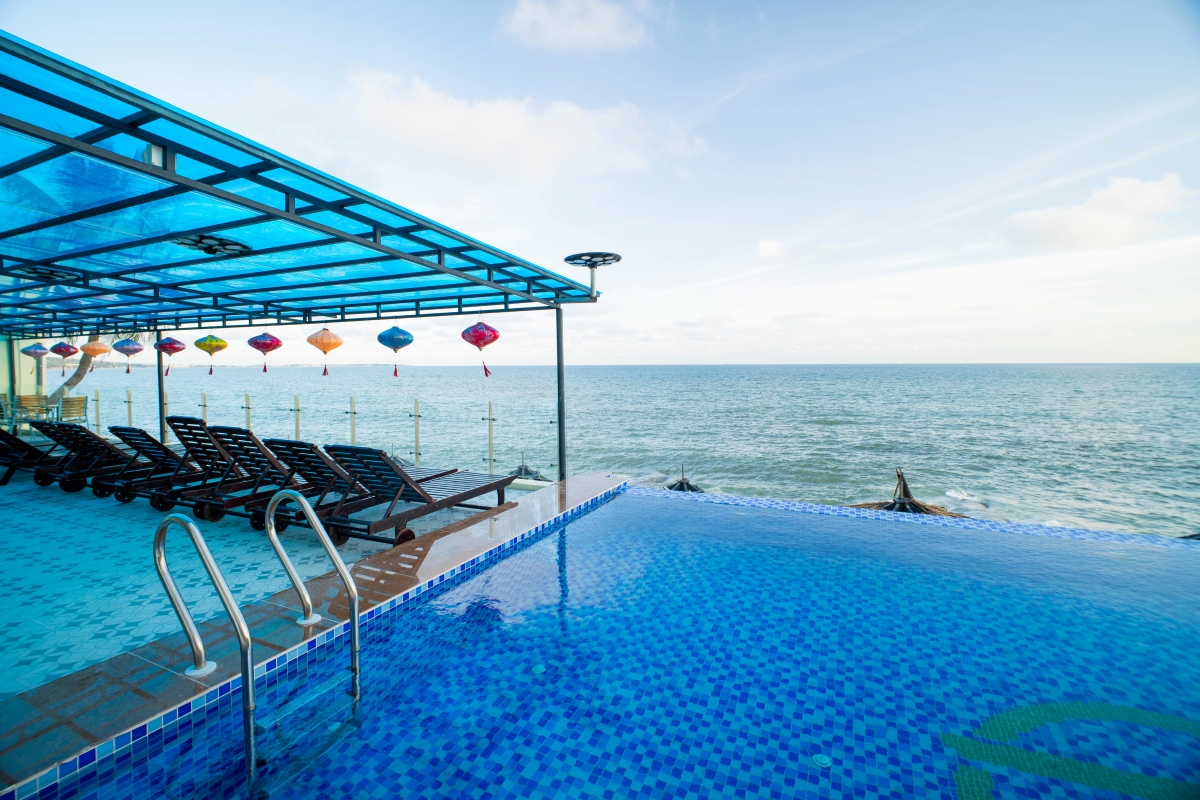
Introduction to Palado Hotel: Your Luxurious Gateway to Mui Ne Tourist Attractions
Culturally, Mui Ne is a melting pot where Vietnamese traditions intermingle with Cham influences, creating a dynamic and welcoming atmosphere. The fishing communities, central to Mui Ne’s economy and daily life, uphold age-old practices passed down through generations. Visitors can witness this in the Mui Ne Fishing Village, where colorful coracle boats dot the horizon, fishermen mend nets at dawn, and markets overflow with fresh seafood, offering a glimpse into the resilient spirit of the locals. Cham culture persists through crafts like pottery, weaving, and silver jewelry making, often showcased in village workshops where travelers can participate and purchase authentic souvenirs. Vietnamese customs, such as communal meals and festivals honoring ancestors, blend seamlessly, reflected in the local cuisine that incorporates fresh herbs, seafood, and rice-based dishes.
In 2026, Mui Ne’s cultural landscape is further enriched by sustainable tourism efforts, including eco-tours that promote conservation of the dunes and beaches, and community-led initiatives that support Cham artisans. Festivals like Tet (Lunar New Year) bring the streets alive with dragon dances, fireworks, and family gatherings, providing immersive opportunities for visitors. Preparing to engage with this culture—perhaps by learning basic Cham or Vietnamese phrases, packing appropriate attire for temple visits, or researching local etiquette—ensures respectful interactions and deeper appreciation. As a renowned travel source eloquently states, “Mui Ne’s attractions are not merely sights but portals to Vietnam’s resilient spirit and multicultural heritage.” This historical and cultural depth infuses every must-visit site with meaning, turning casual sightseeing into profound cultural explorations that linger long after your departure.
Best Time to Visit Mui Ne in 2026: Optimizing Your Trip to Must-Visit Attractions
Strategic timing is crucial when planning your visit to Mui Ne’s must-visit tourist attractions, as the region’s tropical monsoon climate significantly influences activities, crowd levels, and overall enjoyment. In 2026, Mui Ne’s weather patterns remain consistent, with average temperatures hovering between 25-30°C (77-86°F) year-round, but divided into distinct seasons that cater to different travel preferences. The dry season, spanning November to April, stands out as the optimal period for most visitors, characterized by abundant sunshine, low humidity, and steady northeast winds that create ideal conditions for outdoor pursuits like kitesurfing, sand dune explorations, and beach lounging. During these months, the seas are calm, making water sports accessible even for beginners, and the skies are clear for stunning sunrises over the White Sand Dunes or sunsets at the Red Sand Dunes. However, this popularity means higher accommodation rates and larger crowds, particularly during December to February, which coincide with international winter holidays and Vietnam’s Tet festival—a time when Mui Ne bursts with cultural celebrations, street parades, and family-oriented events. To prepare, book hotels like Palado and tours well in advance, perhaps 3-6 months ahead, to secure the best deals and avoid disappointment.

Poshanu Cham Towers: Ancient Architectural Marvels
For travelers seeking a more tranquil and budget-friendly experience, the shoulder seasons of May-June and September-October offer a compelling alternative. These periods feature mild weather with occasional short showers that refresh the landscape, turning the dunes into verdant oases and enhancing the vibrancy of attractions like the Fairy Stream. Prices drop by up to 30%, and fewer tourists mean more intimate encounters with sites like the Poshanu Cham Towers or Ta Cu Mountain. The wet season from July to October brings heavier rainfall, typically in brief afternoon bursts, which can make some roads slippery and limit access to hiking trails, but it also unveils dramatic seascapes and lush greenery rarely seen in drier months. Kitesurfing enthusiasts should note that winds peak from November to March, with schools offering lessons amid world-class conditions.
When preparing your 2026 itinerary, consider personal factors like activity preferences—opt for dry season if adventure is key—or budget constraints, favoring shoulders for savings. Monitor weather via reliable apps like Weather Underground or local forecasts, and pack accordingly: lightweight, quick-dry clothing for all seasons, with added rain ponchos and waterproof bags for wet periods. Flexibility is key; have indoor alternatives like spa days at Palado Hotel or cultural workshops for rainy days. Travel experts recommend, “The best time to visit Mui Ne is when it aligns with your vision of paradise, but preparation for weather variability ensures uninterrupted enjoyment.” By choosing wisely, you’ll maximize your time at Mui Ne’s iconic attractions, creating a seamless and fulfilling journey.
How to Get to Mui Ne: Seamless Access to Must-Visit Tourist Attractions
Navigating your way to Mui Ne, situated approximately 200 kilometers east of Ho Chi Minh City, is a straightforward affair with multiple transportation options that cater to various budgets, time constraints, and adventure levels, making preparation key to a hassle-free arrival. The most popular and economical choice is traveling by bus, with reputable companies such as FUTA Bus Lines, Kumho Samco, or The Sinh Tourist operating frequent air-conditioned services from Ho Chi Minh City’s Mien Dong Bus Station. These journeys typically last 4-5 hours and cost between VND 150,000 to 300,000 ($6-12), dropping passengers directly in Mui Ne’s central Ham Tien area, close to attractions like the Fairy Stream. For comfort, opt for sleeper buses if traveling overnight, and prepare by booking tickets online through platforms like 12Go Asia to avoid sold-out situations, especially during peak seasons.
For those preferring a more scenic and relaxed route, the train offers an excellent alternative. Departing from Saigon Railway Station, trains to Phan Thiet Station take about 4-5 hours and range from VND 200,000 to 500,000 ($8-20), depending on seat class—choose soft seats or sleepers for added comfort. From Phan Thiet, a quick 20-kilometer transfer to Mui Ne via taxi (VND 200,000-300,000) or local bus completes the trip. In 2026, with potential upgrades to Vietnam’s rail network, expect smoother rides and possibly faster times. Air travel is gaining traction with the full operation of Phan Thiet Airport by 2026, allowing direct flights from major cities like Hanoi or Da Nang (VND 1,000,000-3,000,000 one-way), followed by a short shuttle or taxi to Mui Ne. Alternatively, fly into Lien Khuong Airport in Dalat for a scenic drive down.
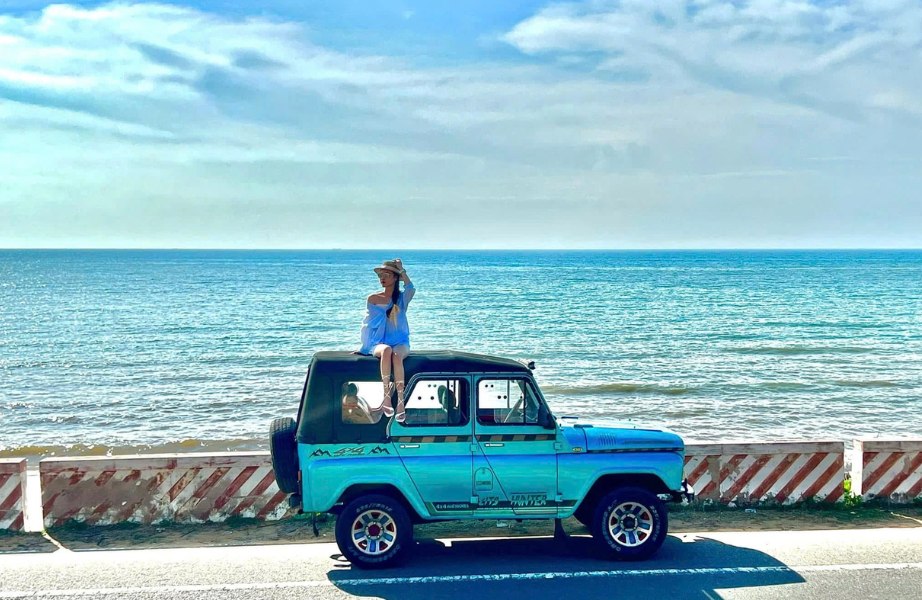
How to Get to Mui Ne: Seamless Access to Must-Visit Tourist Attractions
Adventurous travelers might rent a motorbike or car in Ho Chi Minh City for the journey along Highway 1A, offering flexibility and stunning coastal views, but this requires preparation: an international driving permit, familiarity with Vietnamese traffic rules, and helmet usage for safety. Costs for rentals start at VND 100,000 per day for motorbikes, with fuel and tolls adding VND 200,000-400,000 for the trip. Once in Mui Ne, local mobility is best via motorbike rentals (VND 100,000-150,000/day) for independent exploration of attractions like the sand dunes, or ride-hailing apps like Grab for convenience. For groups or those preferring guided arrivals, private transfers or hotel shuttles from places like Palado Hotel can be arranged. Essential preparations include carrying cash for rural tolls, downloading offline maps like Google Maps, and ensuring travel insurance covers transportation mishaps. As a guide notes, “Efficient access to Mui Ne sets the stage for effortless attraction explorations.” With these options, reaching Mui Ne becomes part of the adventure.
Where to Stay in Mui Ne: Accommodations Near Must-Visit Attractions
Mui Ne’s diverse accommodation landscape offers something for every traveler, from luxurious resorts to budget homestays, all strategically located to facilitate easy access to must-visit tourist attractions. The bustling Ham Tien-Mui Ne strip, stretching along Nguyen Dinh Chieu Street, is the epicenter for stays, placing you within walking distance of beaches, restaurants, and sites like the Fairy Stream. Luxury options abound, such as the Anantara Mui Ne Resort, known for its private villas, infinity pools, and spa facilities overlooking the sea (VND 3,000,000-6,000,000 per night), or the Sailing Club Resort with its colonial-inspired architecture, kiteboarding lessons, and beachfront dining. These high-end properties often include complimentary shuttles to attractions like the sand dunes, making them ideal for those seeking indulgence.
Mid-range accommodations provide excellent value, with places like Serenity by the Sea Resort offering cozy bungalows, swimming pools, and ocean views at VND 800,000-2,000,000 per night, or Mui Ne Hills Budget Hotel, which combines affordability with modern amenities and proximity to the Red Sand Dunes. For authentic and economical stays, homestays in the fishing village area, such as those run by local families, start at VND 300,000-600,000, offering home-cooked meals and cultural insights. Eco-friendly options are on the rise in 2026, with resorts like Pandanus emphasizing sustainability through solar power and waste reduction, appealing to environmentally conscious travelers.
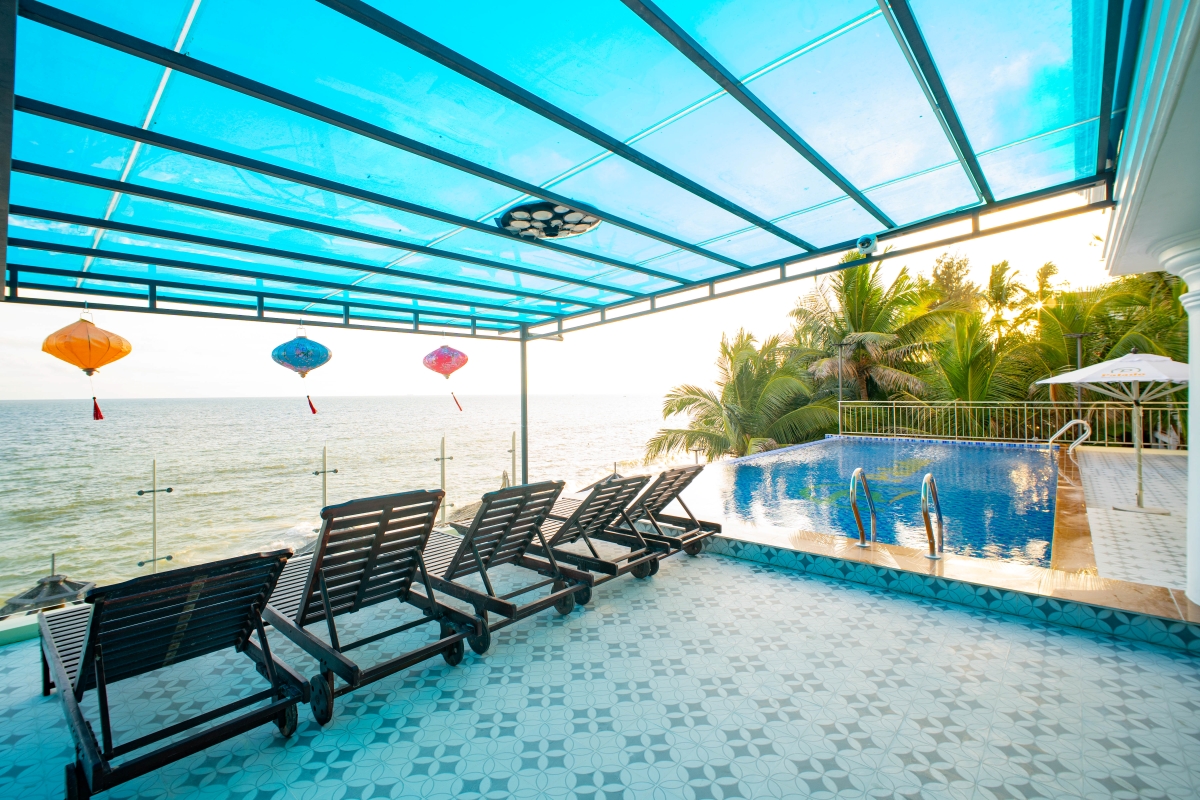
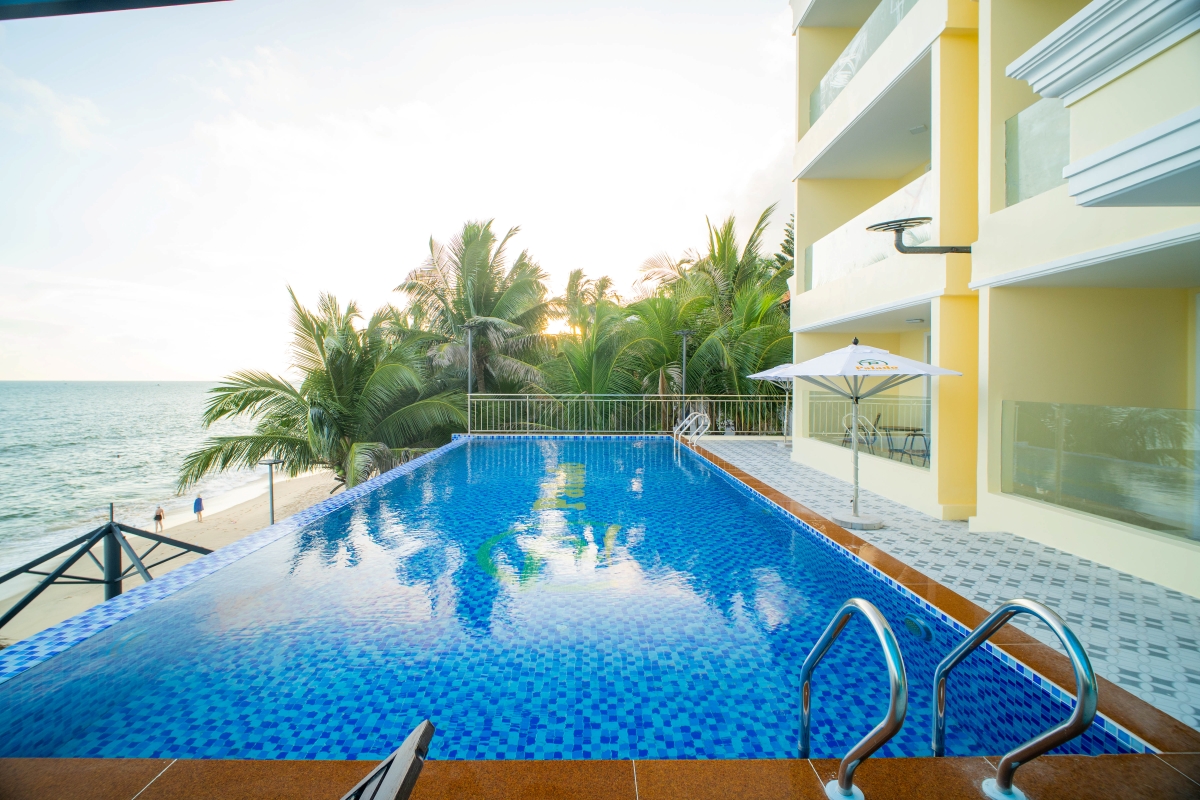
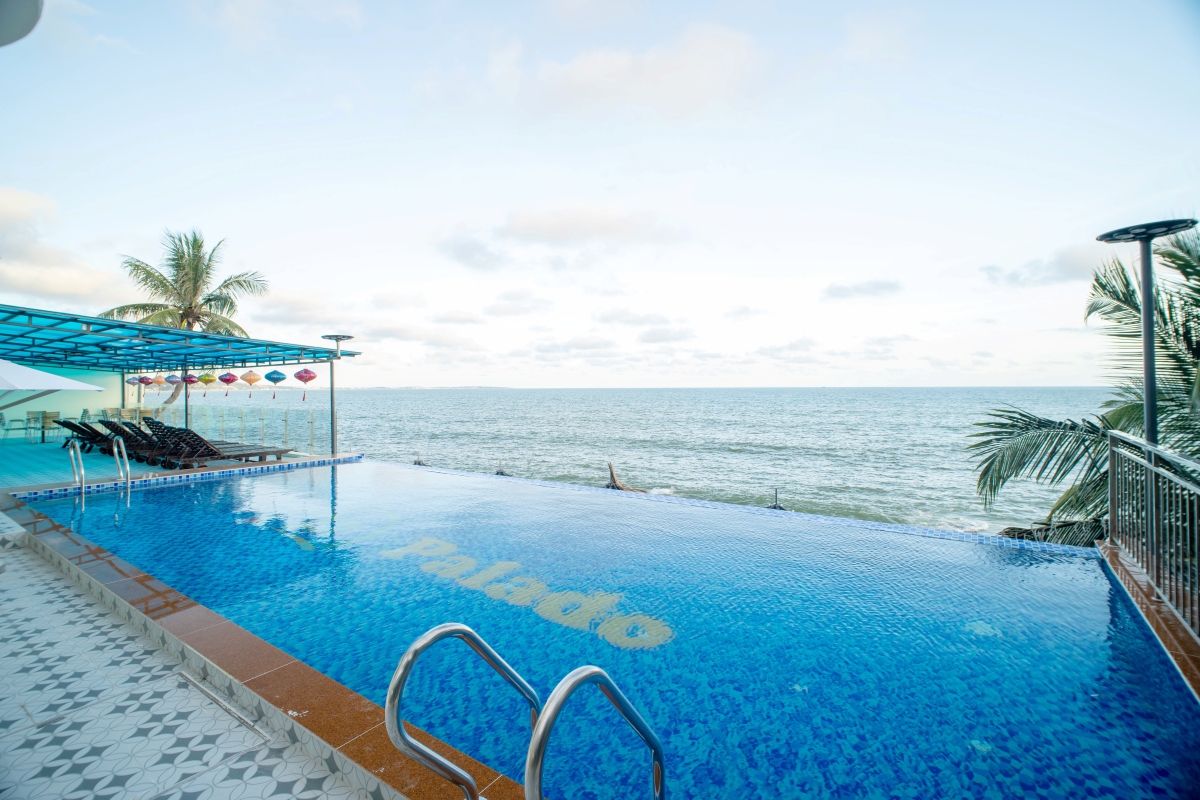

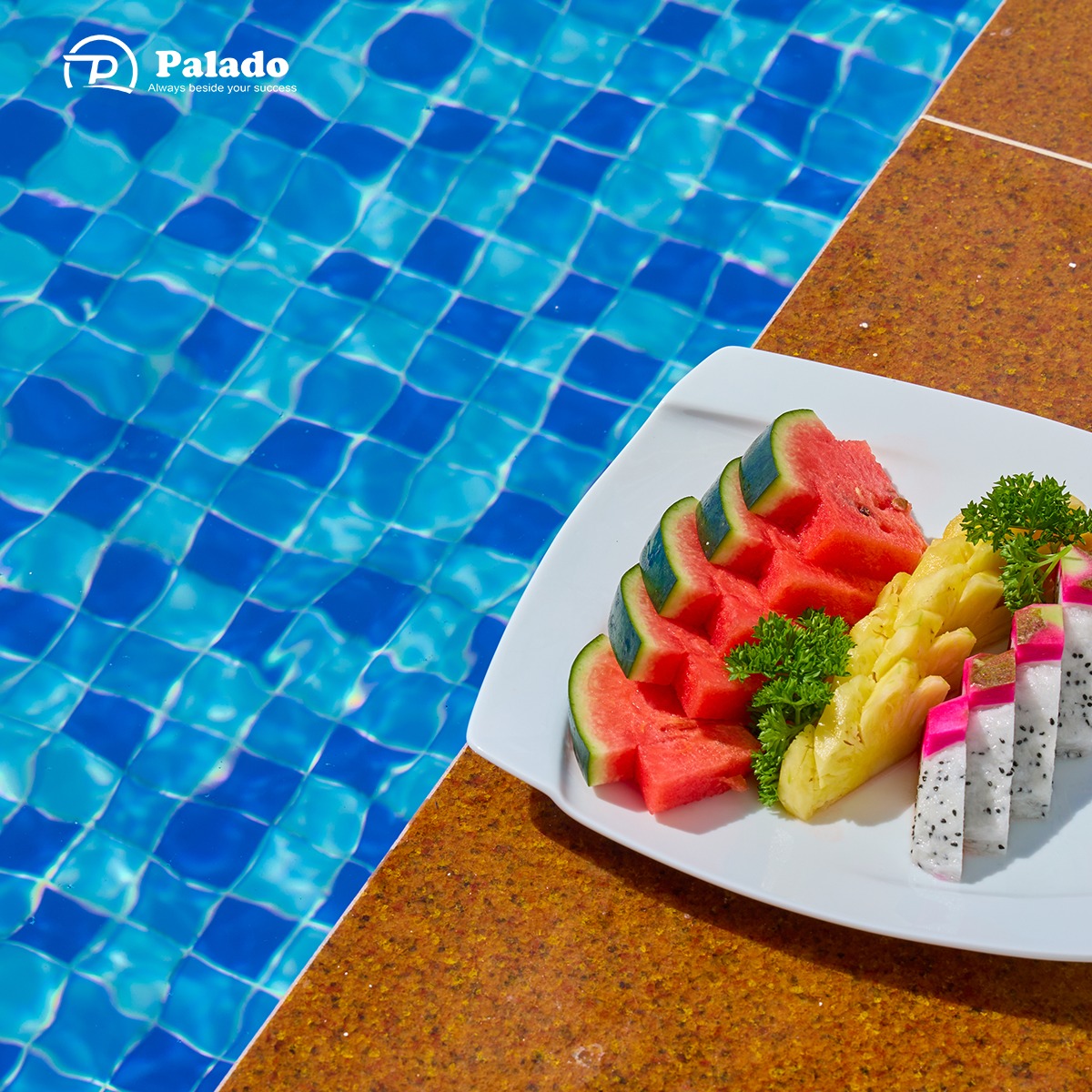
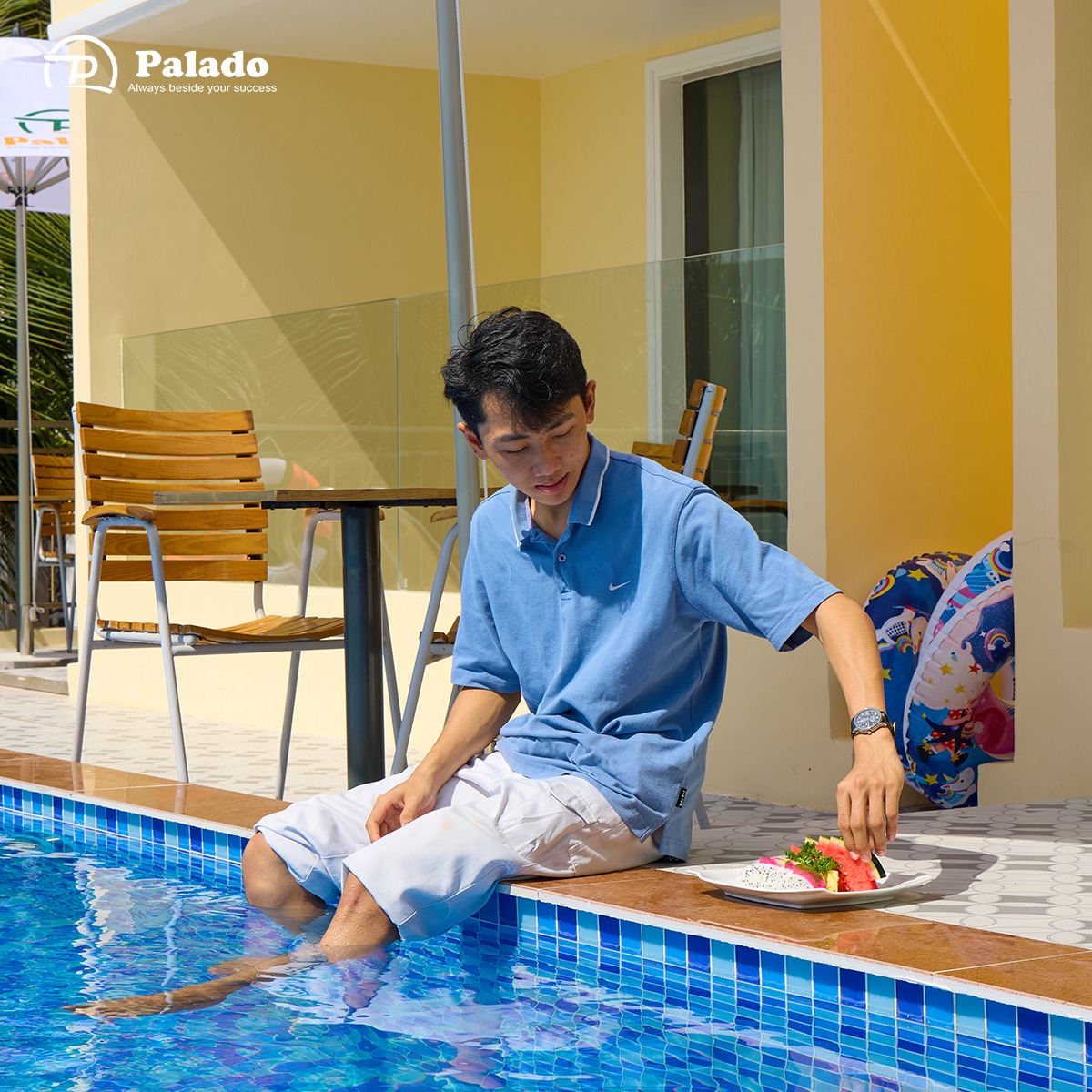
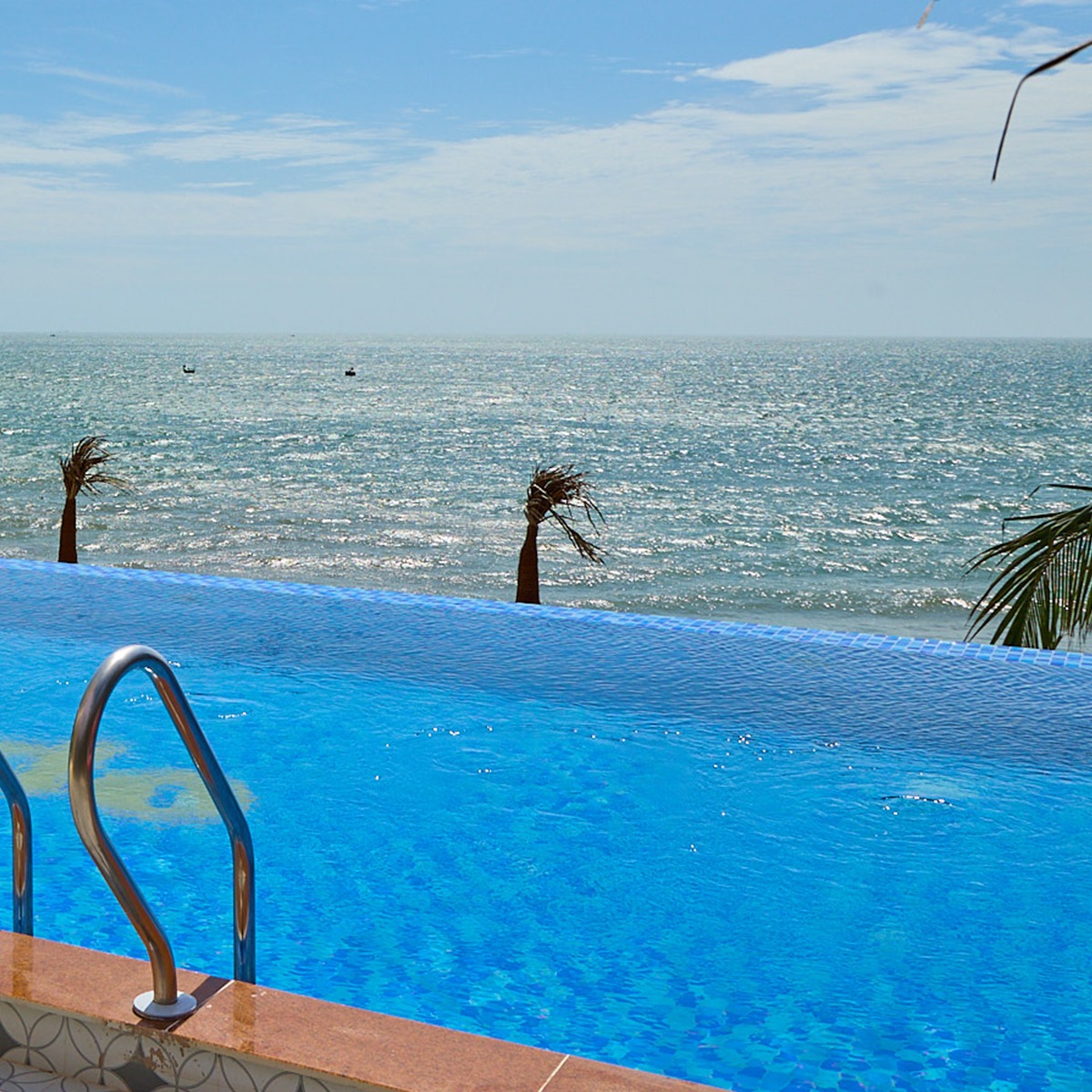
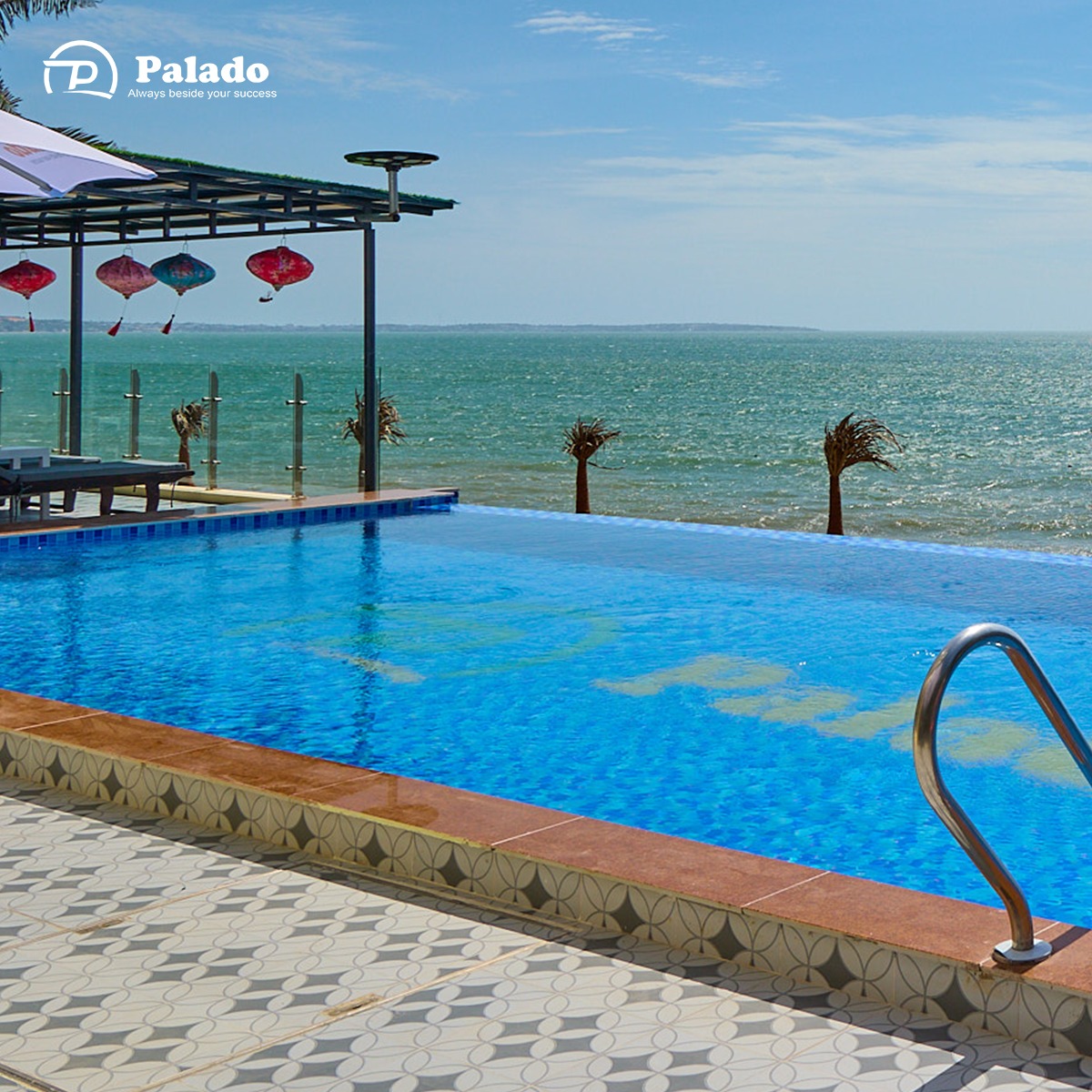
Palado Hotel distinguishes itself as a top recommendation, with its beachfront location providing direct access to Mui Ne Beach for kitesurfing and quick drives to Ta Cu Mountain or Ke Ga Lighthouse. Its infinity pool, spa, unique wine cellar, and tour desk make it a comprehensive base for attraction explorations. When preparing, use booking sites like Agoda or Booking.com for reviews and deals, and consider sea-view rooms for sunrise spectacles. Off-peak bookings yield significant savings, and family suites or interconnected rooms cater to groups. Mui Ne’s accommodations not only provide rest but enhance your connection to the attractions, ensuring a holistic experience.
Must-Visit Mui Ne Tourist Attractions: Detailed Explorations
1. White Sand Dunes (Bau Trang): A Desert Mirage by the Sea
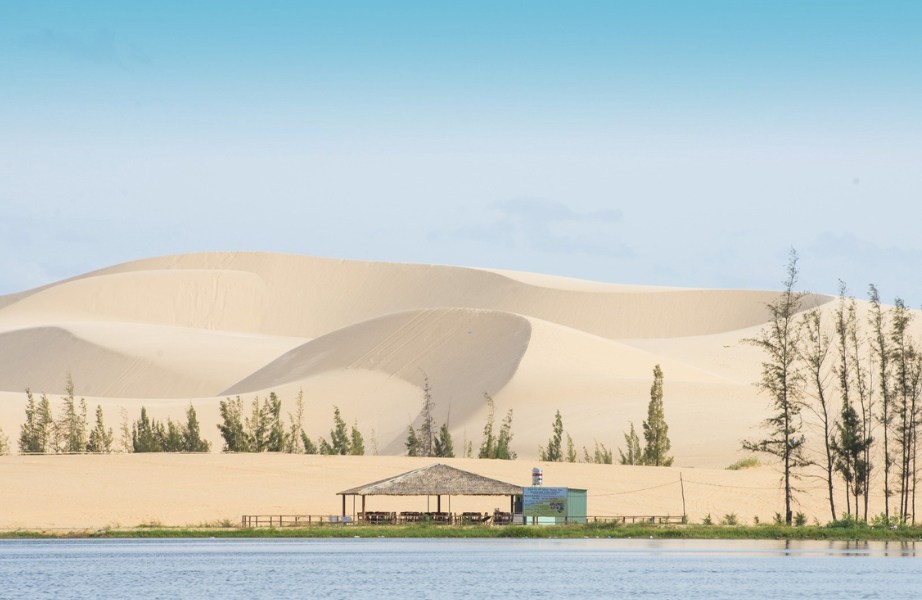
The White Sand Dunes, affectionately known as Bau Trang or the White Lake, undisputedly rank as one of the most iconic and must-visit Mui Ne tourist attractions, captivating visitors with their vast, undulating expanses of pure white sand that create a surreal desert-like landscape right beside the ocean. Located approximately 25 kilometers north of central Mui Ne, this natural wonder spans over 50 hectares, with dune peaks soaring up to 30 meters high, offering panoramic views that stretch to the horizon. Formed over thousands of years through wind erosion and sediment deposition from nearby rivers, the dunes are in constant flux, reshaping themselves with each gust, which adds an element of dynamic beauty to every visit. The site’s name derives from the lotus-filled lakes—Bau Sen and Bau Trang—that dot the area, providing stark contrasts of blue water and pink blooms against the white sands, especially during the blooming season from June to August.
Historically, the dunes hold significance in local Cham legends, where they are said to be the remnants of ancient seas or the playgrounds of mythical beings, and they have served as trade routes for nomadic tribes. Ecologically, this fragile ecosystem supports unique flora adapted to arid conditions, such as resilient cacti and wild grasses, and wildlife like lizards and birds, underscoring the need for sustainable tourism practices. Visitors typically arrive via jeep tours (VND 400,000-600,000 per vehicle for 4-6 people), which include stops at key viewpoints and are best scheduled for sunrise when the sands are cool underfoot and the light casts a golden hue, or sunset for dramatic silhouettes. Quad biking (VND 200,000-300,000 per hour) allows for adrenaline-fueled explorations, while ostrich rides (VND 50,000) add a quirky, fun element.
Preparation tips include wearing closed-toe shoes to protect against hot sand, applying high-SPF sunscreen, and carrying ample water to combat dehydration in temperatures that can reach 35°C. Hire a local guide (VND 100,000-200,000) for safe navigation and insights into the area’s geology and folklore. Photographers will delight in the lotus blooms, which symbolize purity in Vietnamese culture, and the opportunity to capture reflections in the lakes. Entry is free, but activity fees apply, and it’s advisable to visit early to avoid midday heat and crowds. As a prominent travel source highlights, “The White Sand Dunes are a must-see for their breathtaking desert escape in tropical Vietnam, blending adventure with serene natural beauty.” Extend your experience with a picnic by the lake or camping under the stars for an immersive overnight adventure, but always follow leave-no-trace principles to preserve this pristine site for future generations.
White Sand Dunes (Bau Trang): A Desert Mirage by the Sea
2. Red Sand Dunes: Vibrant Sands and Sunset Spectacles
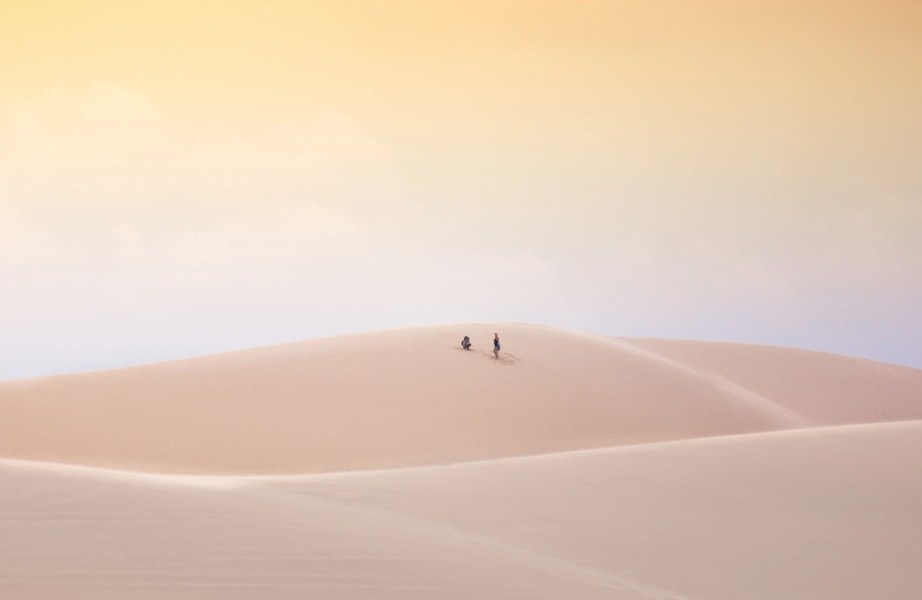
Conveniently located just 5 kilometers from Mui Ne’s center, the Red Sand Dunes emerge as another essential must-visit tourist attraction, distinguished by their striking rusty orange coloration derived from high iron content in the soil, which creates a vivid contrast against the blue sky and green palm trees. Covering a more compact area than the White Dunes, this site is perfect for shorter visits, offering activities like sand sliding on plastic sleds (VND 20,000 rental) that provide thrilling descents down the slopes, or leisurely strolls to appreciate the ever-changing formations sculpted by the wind. Historically, these dunes were part of ancient trade paths used by Cham merchants to transport goods like spices and silks, and today, they serve as inspiration for local artists who craft intricate sand sculptures depicting mythical scenes or everyday life.
Red Sand Dunes: Vibrant Sands and Sunset Spectacles
The best time to visit is during sunset, when the sands ignite in fiery reds and oranges, casting long shadows and creating a photographer’s paradise. No entry fee is required, but parking costs VND 10,000, and local vendors offer refreshments like fresh coconut water (VND 20,000) to quench thirst. Preparation involves avoiding peak sun hours to prevent heat exhaustion, applying sunscreen liberally, and wearing hats or scarves for protection. Support the community by purchasing from vendors or hiring children as guides for a small tip, but be mindful of sustainable practices to minimize erosion. For thrill-seekers, ATV rentals (VND 150,000 per 30 minutes) allow for exploratory rides, while families can enjoy camel treks for a Middle Eastern flair in Vietnam. A travel guide aptly describes, “The Red Sand Dunes are a must-see attraction in Mui Ne, offering accessible adventure and stunning visual spectacles that capture the essence of this unique landscape.” Combine a visit with nearby cafes for post-sunset dinners overlooking the dunes, enhancing the experience with local cuisine.
Experience the striking Red Sand Dunes:
3. Fairy Stream (Suoi Tien): A Magical Natural Wonderland
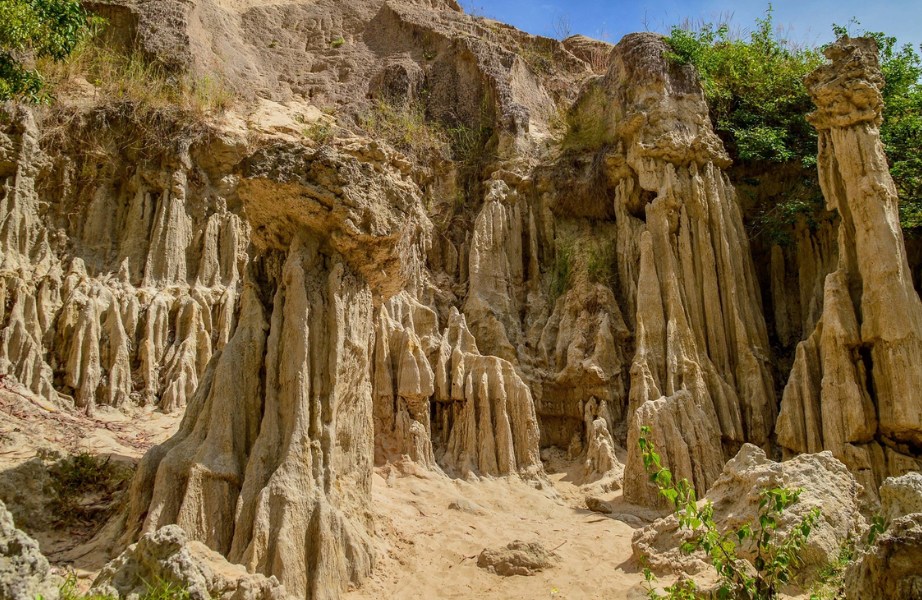
The Fairy Stream, or Suoi Tien, stands as a whimsical and enchanting must-visit Mui Ne tourist attraction, featuring a shallow, meandering stream that winds through a landscape of vibrant red and white sand formations, lush tropical vegetation, and bizarre limestone pillars that resemble a miniature Grand Canyon. Stretching about 1.5 kilometers from its source to the sea, this natural wonder was carved by erosion over millennia, creating a path where visitors can wade barefoot in ankle-deep water, discovering small waterfalls, natural pools, and even ostrich farms along the way. Local folklore adds a layer of magic, claiming that fairies once bathed in these waters, imbuing the site with a mystical aura that captivates the imagination.
Entry costs VND 15,000, and the best time is early morning for soft lighting and fewer crowds, allowing for peaceful contemplation. The stream’s colorful strata—red earth from iron oxides and white from limestone—provide educational insights into geology, while the surrounding bamboo groves and coconut palms offer shade and photo opportunities. Preparation tips include wearing quick-dry clothing and water shoes to navigate slippery rocks, bringing a towel for drying off, and applying insect repellent for the humid environment. Vegetarians will appreciate nearby eateries serving fresh fruit smoothies. A source praises, “Fairy Stream is a cannot-miss natural attraction in Mui Ne, blending serene beauty with a touch of fairy-tale wonder.” Extend your visit by climbing adjacent hills for overhead views or combining with a picnic amid the scenery, but always respect the ecosystem by avoiding litter.
Fairy Stream (Suoi Tien): A Magical Natural Wonderland
4. Mui Ne Fishing Village: Authentic Coastal Life
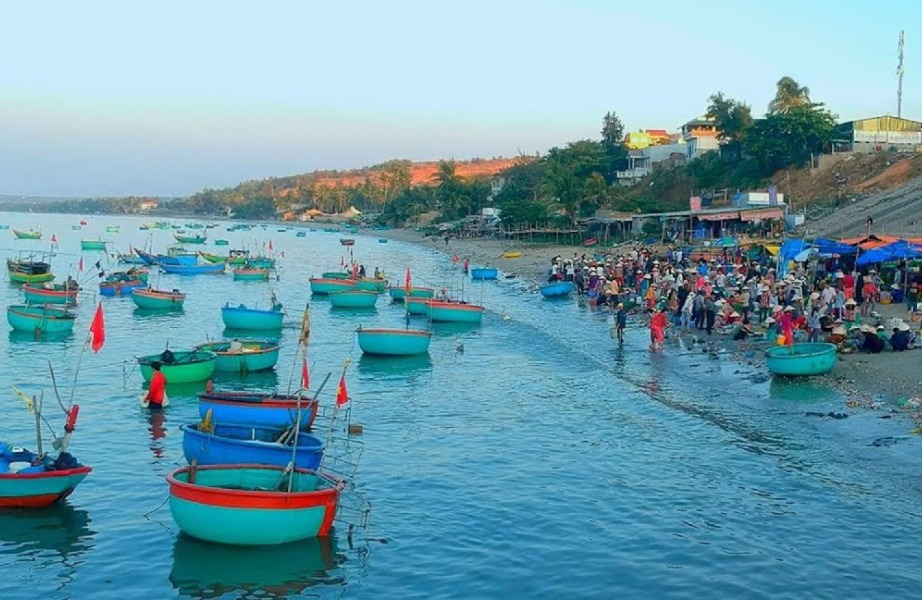
A quintessential and immersive must-visit Mui Ne tourist attraction, the Fishing Village provides an unfiltered glimpse into the traditional Vietnamese coastal lifestyle that has sustained the region for generations. Situated at the northern end of Mui Ne Bay, this bustling harbor is home to hundreds of colorful wooden boats and coracle vessels, where fishermen depart at dawn and return with bountiful catches of squid, crab, fish, and shrimp. The village comes alive in the early morning with the sounds of haggling at seafood markets, the scent of drying fish, and the sight of locals mending nets or repairing boats, offering a authentic snapshot of community resilience and maritime heritage.
Mui Ne Fishing Village: Authentic Coastal Life
Free to enter, the best time is sunrise for the vibrant market atmosphere and photographic opportunities of boats silhouetted against the horizon. Historically, fishing has been the lifeblood of Mui Ne since Cham times, with techniques like basket boats (thung chai) adapted for shallow waters. Preparation involves comfortable walking shoes for uneven terrain, a hat for sun protection, and cash for purchasing fresh seafood to cook or enjoy grilled on-site. Respect local customs by asking permission before photographing people, and consider boat rides (VND 100,000) for offshore perspectives. “Mui Ne Fishing Village is an escape to Vietnam’s authentic coastal charm, where tradition meets the sea.” Pair your visit with nearby seafood restaurants for the freshest meals, or join a cooking class to learn recipes using the day’s catch, deepening your cultural connection.
Capture the vibrant Mui Ne Fishing Village:
5. Poshanu Cham Towers: Ancient Architectural Marvels
Perched majestically on Ong Hoang Hill overlooking the sea, the Poshanu Cham Towers represent a historical and cultural cornerstone among Mui Ne’s must-visit tourist attractions, dating back to the 8th century during the height of the Champa Kingdom. This complex of three brick towers—dedicated to Cham deities including Po Sah Inu (goddess of agriculture), Po Yan Inu Nagar (mother goddess), and Shiva—was built using a unique technique of interlocking bricks without mortar, showcasing the Cham’s advanced engineering and artistic skills. The towers feature intricate carvings of mythical creatures, floral motifs, and divine figures, and serve as active places of worship where locals offer incense and prayers.
Entry is VND 10,000, and visits are enhanced during the Kate Festival in October, when the site buzzes with traditional performances. Preparation includes modest clothing covering shoulders and knees, comfortable shoes for climbing the hill, and a guide (VND 100,000) for detailed explanations of symbolism. The adjacent museum displays artifacts like statues and pottery, providing context. “The Champa Kingdom Legacy: Secrets of Poshanu Towers reveal a window into ancient Vietnam.” Explore nearby Cham villages for workshops on traditional crafts, extending the cultural immersion.
6. Ta Cu Mountain: Spiritual Hikes and Giant Buddhas
Ta Cu Mountain, located 28 kilometers southwest of Mui Ne, is a spiritual and natural must-visit attraction featuring Vietnam’s largest reclining Buddha statue at 49 meters long, alongside pagodas, caves, and lush rainforests teeming with biodiversity. The mountain’s history dates to the 19th century when the Linh Son Truong Tho Pagoda was established, becoming a pilgrimage site for Buddhists seeking enlightenment. Access the summit via a challenging 2-hour hike through trails lined with ancient trees and wildlife, or take the cable car (VND 160,000 round-trip) for panoramic views of the coastline and countryside.
Entry to the mountain is VND 50,000, and the best season is dry for safe trekking. Preparation involves sturdy hiking shoes, insect repellent, and water, with respectful attire for temple areas. Meditate at the Buddha statue or explore caves with inscriptions. “Climbing Ta Cu Mountain in Mui Ne offers spiritual solace amid natural grandeur.” Picnic areas and teahouses provide rest spots, making it a full-day excursion.
7. Ke Ga Lighthouse: Colonial Beacon and Island Views
Standing as the tallest lighthouse in Southeast Asia at 65 meters, Ke Ga Lighthouse is a captivating must-visit Mui Ne tourist attraction on a rocky offshore island, accessible by boat (VND 50,000) from the mainland. Built in 1899 by the French, this granite tower served as a navigational aid for ships, surviving wars and storms to become a symbol of endurance. Climb the 183 spiral steps to the top for breathtaking 360-degree views of the coastline, islands, and azure waters, ideal for photography.
Entry VND 20,000; visit at low tide for easier access. Preparation: Check tide schedules, wear comfortable shoes, and bring snorkeling gear for nearby reefs. “Ke Ga Lighthouse is all you need to know for a historical maritime adventure.” Sunset boat trips offer romantic vistas, and nearby beaches allow for combined relaxation.
Ke Ga Lighthouse: Colonial Beacon and Island Views
8. Mui Ne Beach: Kitesurfing Haven and Relaxation Spot
Mui Ne Beach, extending over 15 kilometers of golden sands, is a premier must-visit for both relaxation and adventure, renowned globally as a kitesurfing mecca due to consistent winds from October to April. The beach’s history as a fishing hub has evolved into a tourism hotspot, with schools like Jibes Beach Club offering lessons (VND 1,000,000 for beginners) and rentals. Sunbathing, swimming, and beach volleyball are popular, with resorts providing loungers.
Free access; prepare with sunscreen and water. “Kitesurfing in Mui Ne, Vietnam, is world-class.” Evening walks and seafood barbecues enhance the vibe.
9. Lotus Lake (Bau Sen): Serene Waters Amid Dunes
Embedded within the White Sand Dunes, Lotus Lake (Bau Sen) is a serene must-visit, blooming with pink lotuses in summer, creating an oasis of tranquility. Paddle boats (VND 50,000) allow intimate explorations, with birds and fish adding to the ecosystem.
Best June-August; free with dunes entry. Preparation: Binoculars for birdwatching, snacks for picnics. This site symbolizes renewal in Vietnamese culture.
10. Ong Dia Rock Beach: Mythical Formations and Tranquility
Ong Dia Rock Beach features unique basalt formations tied to legends of gods, offering quiet swims and rock climbing. Less crowded, it’s ideal for contemplation.
Free; prepare tide charts. Snorkeling reveals marine life.
11. Dragon Fruit Farms: Agricultural Insights
Tour dragon fruit farms to learn cultivation, with tastings and night views of lit fields (VND 50,000 tours).
Evening visits; buy fresh fruit.
12. Wonderland Water Park: Family Fun Slides
Thrilling slides and pools (VND 350,000); weekdays for less crowds.
Sunscreen essential.
13. Dino Park: Prehistoric Adventures
Interactive dinosaur models (VND 120,000); educational for kids.
14. Safari Cafe: Animal Encounters
Feed exotic animals (VND 150,000); ethical interactions.
15. Circus Land: Beachside Performances
Acrobatic shows (VND 120,000); evenings best.
16. Wonder Hill: Miniature Worlds
Scaled replicas of sites (VND 120,000); photo spots.
17. Forgotten Land Sand Sculpture Park: Artistic Sands
Themed sculptures; VND 100,000.
18. NovaWorld Phan Thiet: Shopping and Entertainment
Modern malls and shows; evenings for nightlife.
19. Mui Ne Night Market: Local Vibes
Street food and souvenirs; free, bargain hard.
20. Po Shanu Cham Towers: Additional Cham Heritage
Similar ruins to Poshanu; VND 10,000.
21. Co Thach Stone Beach: Colorful Pebbles and Pagoda
Multicolored stones and Hang Pagoda; free, low tide visits.
22. RD Wine Castle: European-Style Tastings
Wine tours in a castle-like setting (VND 200,000); pair with cheeses.
“Mui Ne’s attractions offer a perfect blend of nature, culture, and adventure, making it a top destination in Vietnam.” – Backpackers Wanderlust
What to Eat in Mui Ne: Culinary Complements to Your Attractions Tour
Mui Ne’s culinary scene is a delightful extension of its attractions, centered on fresh seafood from the fishing village, enhancing your explorations with flavorful sustenance. Signature dishes include Goi Ca Mai, a tangy raw fish salad with herbs, peanuts, and lime, best enjoyed fresh from the market. Banh Canh Cha Ca features thick noodles in a savory broth with fish cakes, perfect for breakfast. Grilled seafood like squid, shrimp, and crab, seasoned with chili and garlic, is ubiquitous at beachside shacks. Local specialties such as Banh Xeo (crispy pancakes stuffed with shrimp, pork, and sprouts) and Banh Trang Nuong (grilled rice paper “pizza”) offer street food delights at VND 50,000-100,000. Vegetarians can savor tofu versions or fresh dragon fruit from farms.
Markets and Bo Ke Street buzz with vendors; prepare with cash and an adventurous palate. At Palado Hotel, fusion dining elevates experiences with ocean views. Cooking classes (VND 500,000) teach recipes. Desserts like Che (sweet soups) refresh after dune hikes. Tips: Check freshness, use hand sanitizer. “Mui Ne’s food is as diverse as its attractions.”
Suggested Itineraries for Exploring Must-Visit Mui Ne Tourist Attractions
2-Day Itinerary for Quick Getaway: Day 1: Arrive, relax at Mui Ne Beach, visit Fairy Stream and Red Dunes for sunset. Day 2: White Dunes sunrise tour, Fishing Village, departure.
4-Day Itinerary for In-Depth Exploration: Add Ta Cu Mountain hike, Ke Ga Lighthouse, kitesurfing lesson, night market.
Family-Friendly Itinerary: Focus on water parks, Dino Park, gentle dune sliding, beach days with safety in mind.
Insider Tips for Visiting Mui Ne Tourist Attractions in 2026
Budget wisely: VND 5,000,000-15,000,000 for 4 days. Safety: Helmets on bikes, sun protection, travel insurance. Culture: Modest dress, learn phrases. Eco: No litter, support locals. Families: Kid tours, resorts with pools. Solo: Group excursions for social. Book jeep tours for efficiency, use apps for weather. “From quad biking to Cham ruins, Mui Ne entices all.”
“From quad biking to Cham ruins, Mui Ne’s things to do entice all types of travellers.” – Bruised Passports
Frequently Asked Questions about Must-Visit Mui Ne Tourist Attractions
-
What are the top must-visit Mui Ne tourist attractions for nature lovers?
For nature lovers, Mui Ne offers an abundance of breathtaking attractions that showcase its unique blend of desert and coastal ecosystems. The White Sand Dunes top the list, with their vast white sands and lotus lakes providing a desert-oasis experience; jeep tours at sunrise reveal untouched beauty. The Red Sand Dunes, with orange hues, are ideal for sliding and sunsets. Fairy Stream’s colorful canyons and streams offer gentle hikes, Ta Cu Mountain’s rainforests and Buddhas provide spiritual nature walks, and Bau Trang Lake’s blooms add serenity. These sites highlight geological wonders; prepare with sunscreen and water. “Mui Ne’s natural attractions are surreal.” Dedicate half-days to each for immersion.
-
Which cultural must-visit Mui Ne tourist attractions should I prioritize?
Prioritize Poshanu Cham Towers for 8th-century architecture and rituals, especially during festivals. Fishing Village immerses in daily life, Po Shanu Towers offer more ruins, Duc Thanh School ties to history. Cham villages for workshops. Guided tours (VND 200,000) enhance; dress respectfully. “Ancient Cham ruins for cultural depth.” Homestays for authenticity.
-
What adventure-focused must-visit Mui Ne tourist attractions are available?
Kitesurfing on Mui Ne Beach, quad biking on dunes, sand sliding, jeep safaris. Ta Cu hikes, Ke Ga boat trips, paragliding. Certified operators for safety; peak winds November-April. “Playground for desert and water adventures.”
-
Are there family-friendly must-visit Mui Ne tourist attractions?
Wonderland Water Park, Dino Park, Safari Cafe, Circus Land. Dunes for sliding, beaches for play, towers for education. Palado pools. Sunscreen, mornings for energy. “Fun and education for families.”
-
How do I plan a budget trip to must-visit Mui Ne tourist attractions?
Free sites like beaches, motorbikes for transport, group tours. Guesthouses, street food. Off-peak savings. Total VND 5,000,000 for 4 days. “Affordable adventures.”
-
What is the historical significance of Mui Ne’s must-visit attractions?
Champa Kingdom towers, colonial lighthouse, modern school. Dunes as trade routes, village traditions. Tours for stories. “Portals to past.”
-
Which must-visit Mui Ne tourist attractions are best for photography?
Dunes for lights, Stream for colors, Village for scenes, Lighthouse for vistas, Mountain for panoramas. Golden hour, wide lenses. “Captivating visuals.”
-
Are there eco-friendly ways to explore must-visit Mui Ne attractions?
Sustainable tours, reusables, green hotels. Sanctuaries, hikes. “Preserve beauty.”
-
What unique experiences do must-visit Mui Ne attractions offer?
Ostrich rides, lotus paddling, rituals, climbs, harvests. Classes, markets. “Unforgettable blends.”
-
How accessible are must-visit Mui Ne tourist attractions for all abilities?
Beaches, villages flat; dunes via jeeps. Stream gentle, towers accessible, mountain cable. Adaptations growing. “Inclusive options.”