Mui Ne, a mesmerizing coastal destination in southern Vietnam, captivates visitors with its stunning blend of turquoise seas, golden sand dunes, and vibrant local culture. Often referred to as Vietnam’s “desert by the sea,” Mui Ne offers a unique escape where adventure meets relaxation. This guide delves deep into everything Mui Ne has to offer, from its iconic attractions to hidden gems, ensuring your trip is both memorable and seamless. As a prime spot for independent travelers, Mui Ne promises endless exploration, whether you’re sliding down massive dunes or savoring fresh seafood by the waves. For more historical context, check out the Mui Ne page on Wikipedia.
“Mui Ne, the secrets of Vietnam’s Arabian-like Desert… has emerged as a sought-after destination, drawing wanderers with its enchanting blend of natural beauty and adventure.” – Live the World
Introduction to Palado Hotel: Your Luxurious Base in Mui Ne
When embarking on a journey to Mui Ne, selecting the ideal accommodation can elevate your experience from ordinary to extraordinary. Nestled along the pristine Ham Tien – Mui Ne coastline, Palado Hotel stands as a beacon of luxury and tranquility. Located at 98B Nguyen Dinh Chieu, Mui Ne Ward, Lam Dong Province, Vietnam, this beachfront haven was born from a profound appreciation for Mui Ne’s natural splendor – where azure waters meet white sands under perpetual golden sunshine. Palado Hotel seamlessly integrates modern architecture with the essence of local culture and nature, creating spaces that foster deep relaxation and unforgettable memories.
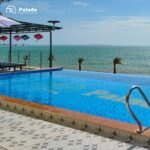
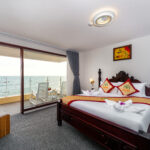
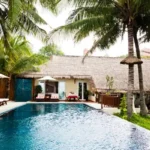
The hotel’s design features bold, minimalist lines with floor-to-ceiling glass windows that invite natural light and ocean breezes into every corner. Each room serves as a private sanctuary, equipped with refined furnishings, ultra-comfortable beds draped in premium linens, sleek workspaces, and warm ambient lighting. Guests awaken to panoramic views of the sea and sky, immersing themselves in Mui Ne’s rhythmic waves and salty air. As a 4-star property, Palado Hotel prioritizes premium services, including an infinity pool that creates an illusion of merging with the ocean, a rooftop coffee lounge offering sweeping coastal vistas, and the Palado Spa for rejuvenating treatments using essential oils amid lush greenery.
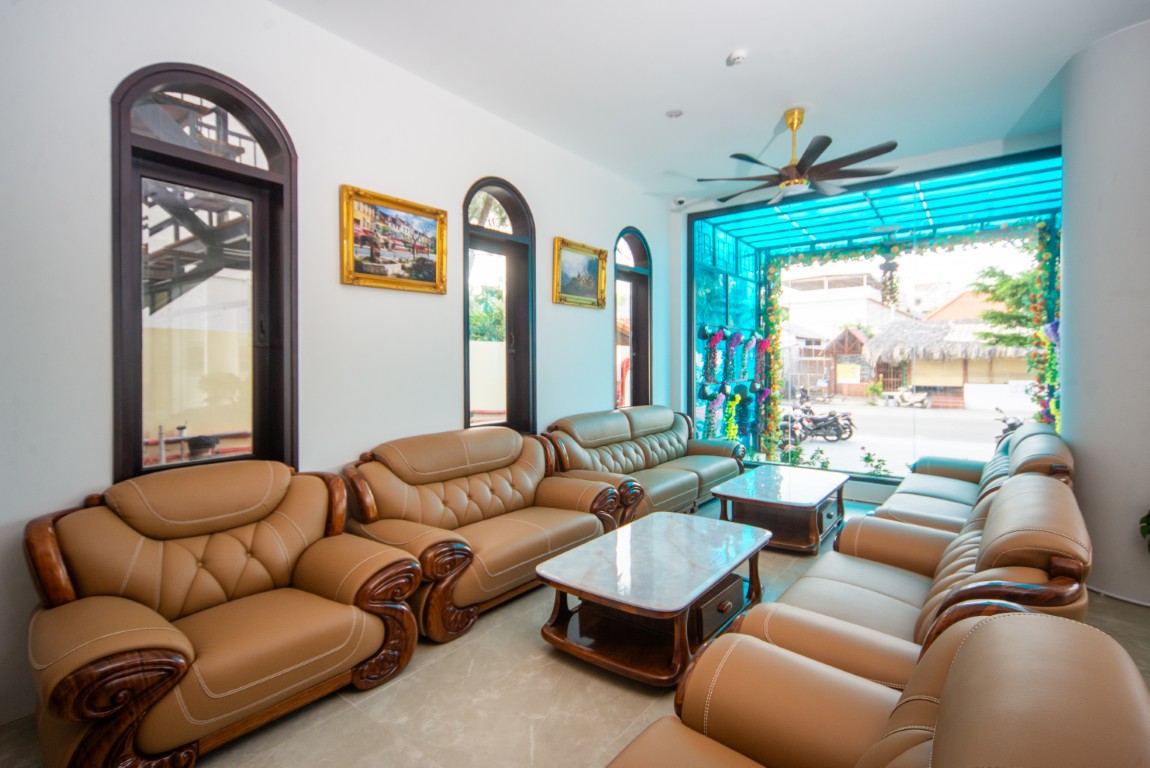
Introduction to Palado Hotel: Your Luxurious Base in Mui Ne
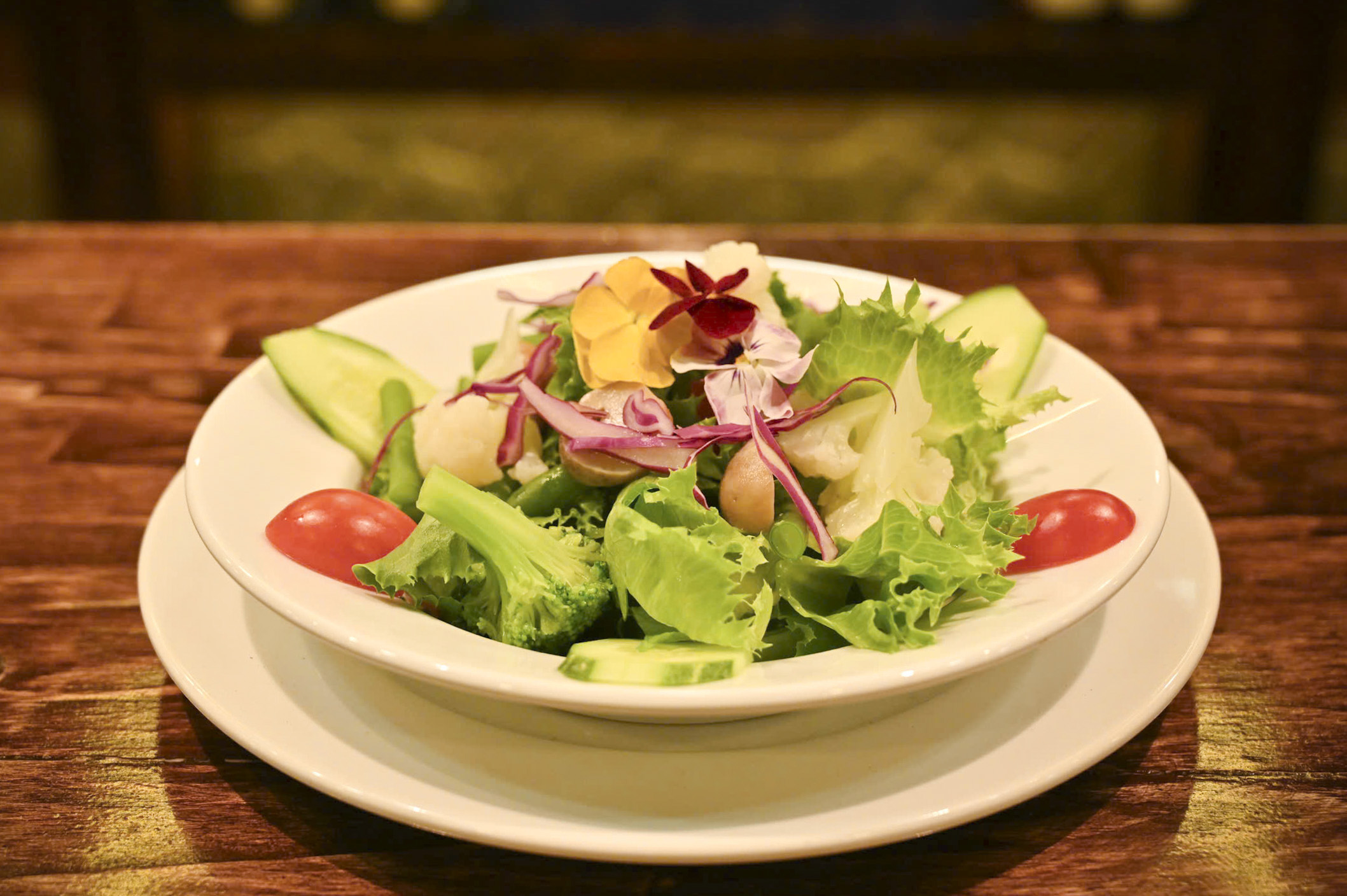
Dining at Palado Hotel is a highlight, with two restaurants blending Asian and Western cuisines against ocean backdrops. The seafront eatery boasts an open-plan design for unobstructed views, while the underground wine cellar – unique to the Phan Thiet – Mui Ne region – evokes European charm with stone walls, pine aromas, and expert wine pairings. Additional amenities include a specialty shop for local Mui Ne souvenirs, a Tour & Travel Desk for personalized excursions, and rental services for motorbikes and bicycles to explore Mui Ne at your leisure. Whether you’re a solo adventurer, couple, or family, Palado Hotel embodies the spirit of Mui Ne, turning your visit into a harmonious blend of luxury and discovery. For bookings and more details, visit Palado Hotel.
History and Culture of Mui Ne: A Tapestry of Time
Mui Ne’s history is as layered as its sand dunes, tracing back to ancient times when it was part of the Champa Kingdom. The Cham people, an ethnic group with roots in Indian-influenced Hinduism, dominated the region from the 4th to the 15th century, leaving behind architectural marvels like the Poshanu Cham Towers. These towers, dedicated to Cham deities, reflect intricate brickwork and spiritual significance, offering a glimpse into Mui Ne’s cultural heritage. Over centuries, Mui Ne evolved from a humble fishing village into a bustling tourist hub, particularly after Vietnam’s economic reforms in the 1980s opened doors to international visitors.
Culturally, Mui Ne is a melting pot where Vietnamese traditions intermingle with Cham influences. Local festivals, such as the Kate Festival celebrating Cham gods, feature vibrant dances, music, and rituals that highlight this fusion. The fishing community remains central to Mui Ne’s identity, with colorful boats dotting the horizon and markets brimming with fresh catches. Visitors can immerse themselves in this culture by exploring villages, learning about traditional salt production, or participating in Cham pottery workshops. Mui Ne’s evolution into a kitesurfing mecca has also introduced global elements, creating a dynamic cultural scene. As one source notes, “Culture enthusiasts explore fishing villages and Cham ruins” in Mui Ne, making it ideal for those seeking depth beyond the beaches.
To truly appreciate Mui Ne, consider its role in Vietnam’s broader history. During the Vietnam War, the area saw minimal direct conflict but was influenced by the nation’s turbulent past. Today, Mui Ne symbolizes resilience and renewal, much like Vietnam itself. As author Bao Ninh reflected on the country, “Vietnam, a country that has endured the pains of war and emerged with its spirit unbroken.” This spirit is palpable in Mui Ne’s vibrant communities and preserved sites, inviting travelers to connect with its storied past while enjoying modern amenities.
Best Time to Visit Mui Ne: Weather and Seasons
Planning your Mui Ne trip? Timing is crucial for maximizing enjoyment. Mui Ne boasts a tropical monsoon climate with year-round warmth, averaging 25–30°C (77–86°F). The peak season, from May to August and January to February, draws crowds with sunny skies, calm seas, and ideal conditions for beach activities and water sports. However, expect higher prices and busier sites during holidays like Tet (Lunar New Year).
For a quieter, more affordable experience, opt for the low season from March to April or September to December. While rain and rough waves may occur, especially July to December, these periods offer discounted accommodations and fewer tourists. Mui Ne’s mild weather makes it accessible anytime, but kitesurfing enthusiasts prefer November to April for strong winds. Pack sunscreen, hats, lightweight clothes, and a rain jacket to stay comfortable. As travel experts advise, visiting during shoulder seasons balances cost and weather perfectly.
Getting to Mui Ne: Transportation Options
Reaching Mui Ne, about 200 km from Ho Chi Minh City, is straightforward with multiple transport choices. Flights to Phan Thiet Airport from major cities like Hanoi or Da Nang cost VND 1,000,000–3,000,000 ($40–120) one-way, with taxis or shuttles covering the 20 km to Mui Ne. Trains from Ho Chi Minh City offer scenic rides for VND 200,000–500,000 ($8–20), taking 4–5 hours.
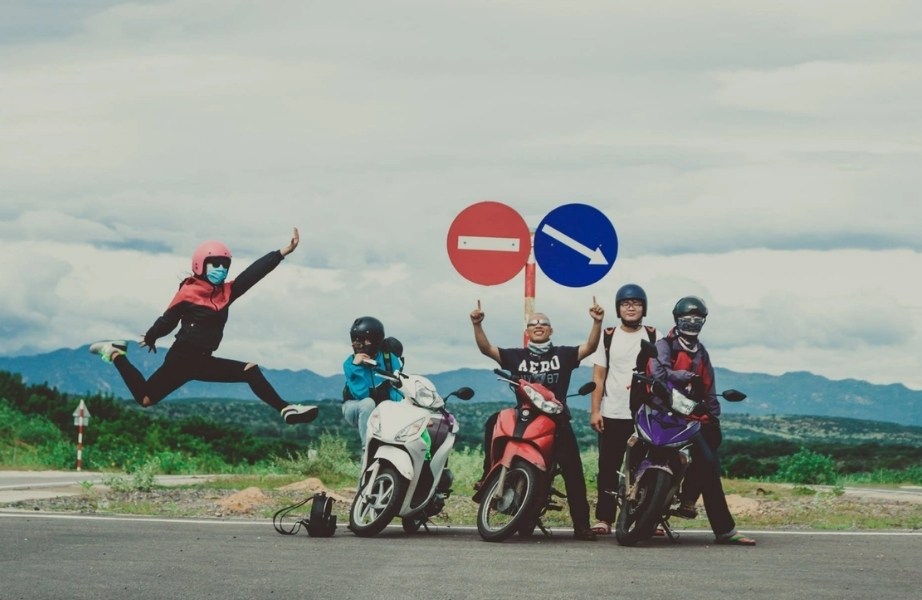
Getting to Mui Ne
Buses are popular and budget-friendly, with companies like FUTA or Kumho charging VND 150,000–300,000 ($6–12) for a 4–5 hour journey. For flexibility, rent a motorbike or car, navigating highways with tolls. Once in Mui Ne, motorbike rentals (VND 100,000–150,000/day) are ideal for local exploration, while taxis or Grab provide convenience. These options ensure easy access to Mui Ne’s wonders.
Where to Stay in Mui Ne: Accommodation Recommendations
Mui Ne’s lodging ranges from luxury resorts to cozy homestays. Hon Rom area features upscale spots with private beaches, while central Mui Ne buzzes with hotels and nightlife. Phan Thiet center offers budget options. Resorts like Palado Hotel provide pools, spas, and ocean views for VND 2,000,000–5,000,000/night. Hotels and homestays suit mid-range and budget travelers at VND 300,000–1,500,000.
Book early via Agoda or Booking.com for deals, especially weekdays. Palado Hotel, with its infinity pool and wine cellar, is highly recommended as a base for exploring Mui Ne attractions.
Top Attractions and Things to Do in Mui Ne
Mui Ne is a playground for adventurers and nature lovers. The iconic Mui Ne Sand Dunes – red and white – offer jeep tours, sand sliding, and stunning sunrises. The Fairy Stream, with its colorful rock formations, provides a magical hike. Poshanu Cham Towers showcase ancient architecture, while RD Wine Castle offers wine tastings in a European-style setting.
Don’t miss Bau Trang (White Lake) for its surreal dunes and lotus blooms, or Ta Cu Mountain for hiking and Buddha statues. Kitesurfing and windsurfing thrive here, with schools for all levels. Explore the Mui Ne Fishing Village for authentic vibes and fresh seafood. Other activities include camel riding on dunes, kayaking, and quad biking.
Behold the majestic Mui Ne sand dunes:
For a deeper dive, join a 5-hour sunrise jeep tour or surf with locals.
“Every day is a new adventure.” – Inspirational quote etched on Mui Ne’s white sand dunes.
Best Beaches in Mui Ne: Sun, Sand, and Serenity
Mui Ne Beach, with its white sands and water sports, is the star. Hon Rom Beach offers seclusion for swimming, while Rang Beach charms with seafood eateries. Co Thach Beach features colorful stones and a historic pagoda. These beaches provide perfect spots for relaxation or adventure.
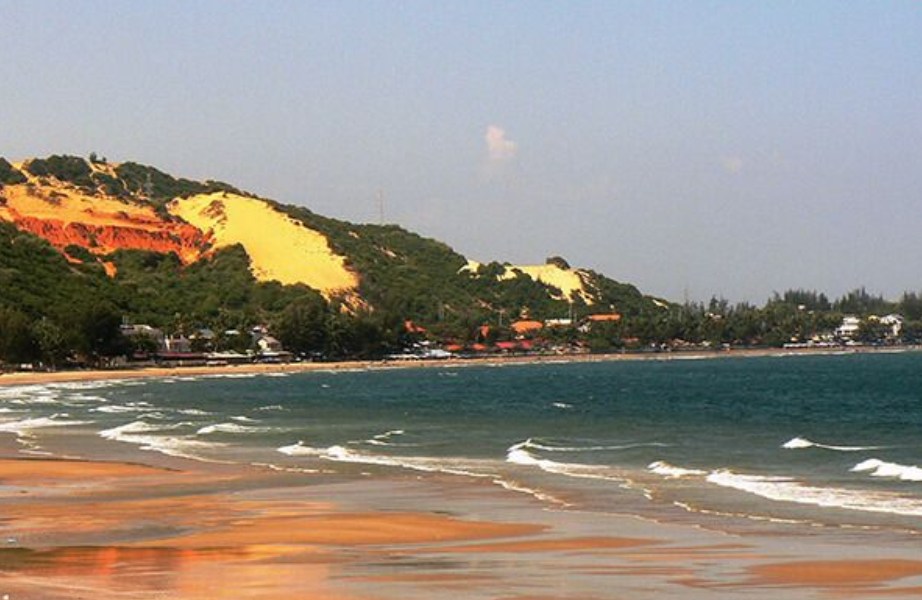
Best Beaches in Mui Ne: Sun, Sand, and Serenity
Visualize the stunning Mui Ne coastline:
What to Eat in Mui Ne: Culinary Delights
Mui Ne’s food scene revolves around fresh seafood. Try Goi Ca Mai (fish salad), Banh Canh Cha Ca (noodle soup), or grilled squid. Local specialties like Banh Xeo (crispy pancakes) and Banh Can (mini pancakes) are must-tries. Street food includes Banh Trang Nuong and Che (sweet soups). Dine at Mui Ne Fishing Village or upscale spots like Mui Ne Bo Ke.
Savor these Mui Ne dishes:
Suggested Itineraries for Mui Ne
2-Day Itinerary: Day 1: Sand dunes, fishing village, Fairy Stream. Day 2: Beaches and Cham towers.
3-Day Itinerary: Add Bau Trang, lighthouse, and wine castle.
Family Itinerary: Focus on kid-friendly activities like sand sliding and aquariums.
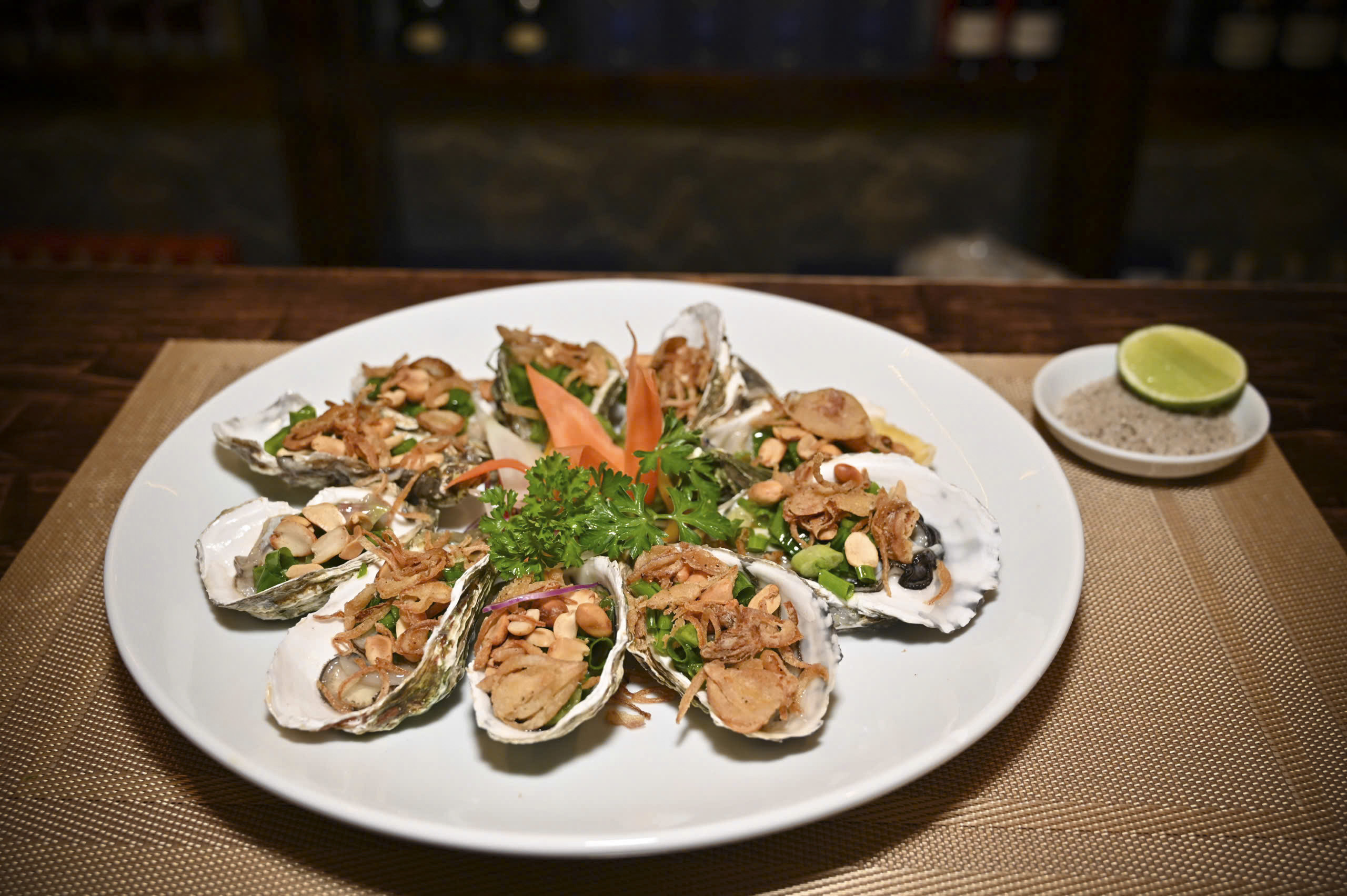
Hau Nuong Mo Hanh from Palado Hotel
Insider Tips for Traveling in Mui Ne
Budget wisely: Transportation VND 150,000–3,000,000; accommodation VND 300,000–5,000,000; food VND 50,000–100,000/dish. Rent motorbikes safely, apply sunscreen, and respect local customs. Hunt for deals and avoid peak crowds. For families, choose resorts with play areas.
“Wind, sand and sea: Mui Ne’s must-do list entices all types of travellers.” – Vietnam Tourism
Frequently Asked Questions about Mui Ne
-
What is the best time to visit Mui Ne?
The optimal time to visit Mui Ne depends on your preferences for weather, crowds, and activities. Peak season from May to August and January to February offers sunny days, calm seas, and temperatures around 25–30°C, perfect for swimming, kitesurfing, and beach lounging. However, this period sees higher tourist numbers, especially during Vietnamese holidays like Tet, leading to elevated prices for accommodations and activities. If you prefer milder crowds and lower costs, consider the low season from March to April or September to December. While rain is more frequent, particularly from July to December, it often comes in short bursts, leaving plenty of time for exploration. Kitesurfing enthusiasts favor November to April for consistent winds. Overall, Mui Ne’s tropical climate makes it year-round viable, but checking forecasts and packing versatile clothing ensures comfort. Sources like TripAdvisor highlight that avoiding monsoon peaks enhances enjoyment, allowing for more personal experiences at attractions like the sand dunes. Remember, staying at places like Palado Hotel provides indoor alternatives during rain, such as spa sessions or wine tastings.
-
How do I get to Mui Ne from Ho Chi Minh City?
Traveling to Mui Ne from Ho Chi Minh City is convenient with options suiting various budgets and schedules. The fastest way is by flight to Phan Thiet Airport, a 45-minute journey costing VND 1,000,000–3,000,000, followed by a 20 km taxi ride (VND 200,000–300,000). Trains offer a scenic, affordable alternative, departing from Saigon Station to Phan Thiet for VND 200,000–500,000, taking 4–5 hours with comfortable sleeper options. Buses are the most popular, with companies like FUTA or Kumho providing frequent departures from Mien Dong Bus Station for VND 150,000–300,000, arriving in 4–5 hours. For independence, rent a motorbike or car, but ensure you have experience with Vietnamese roads and pay tolls on expressways. Once in Phan Thiet, local buses or taxis cover the final 20 km to Mui Ne. Travel blogs recommend buses for their reliability and comfort, especially sleeper types for overnight trips. Pro tip: Book in advance during peaks and use apps like Grab for seamless transfers.
-
What are the must-see attractions in Mui Ne?
Mui Ne boasts an array of attractions blending nature, culture, and adventure. The Red and White Sand Dunes are iconic, offering sand sliding, jeep tours, and breathtaking sunsets – don’t miss quad biking for thrill-seekers. The Fairy Stream provides a whimsical walk through red earth and lush vegetation, leading to a small waterfall. Cultural highlights include the Poshanu Cham Towers, ancient relics of the Cham civilization with intricate carvings. Bau Trang (White Lake) features lotus-filled waters amid dunes, ideal for picnics. The Mui Ne Fishing Village showcases daily life with colorful boats and markets. Adventure options like kitesurfing schools and Ta Cu Mountain hikes with giant Buddha statues add variety. Ke Ga Lighthouse and RD Wine Castle offer historical and gourmet experiences. According to Hostelworld, solo travelers love the dunes and streams for their accessibility. Allocate at least 3 days to cover these, starting early to beat heat.
-
What food should I try in Mui Ne?
Mui Ne’s culinary scene is dominated by fresh seafood and local specialties, reflecting its coastal heritage. Start with Goi Ca Mai, a tangy raw fish salad with herbs and peanuts. Banh Canh Cha Ca, a thick noodle soup with fish cakes, is a hearty breakfast staple. Grilled seafood like squid, shrimp, and crab, often seasoned with chili, is ubiquitous at beachside eateries. Try Banh Xeo, crispy pancakes stuffed with shrimp, pork, and bean sprouts, wrapped in greens. Street foods include Banh Trang Nuong (grilled rice paper pizza) and Che (sweet desserts). For unique flavors, sample one-sun-dried squid or game meats at spots like Soc Nau. The fishing village markets offer the freshest catches at bargain prices. Travel guides praise Mui Ne’s affordability, with meals under VND 100,000. Vegetarians can enjoy adapted versions with tofu. Dine at Palado Hotel for upscale fusion options overlooking the sea.
-
Is Mui Ne suitable for families with kids?
Absolutely, Mui Ne is family-friendly with activities tailored for all ages. Kids adore sand sliding on the dunes, building sandcastles on beaches like Hon Rom, and exploring the gentle Fairy Stream. Resorts offer pools, play areas, and kids’ clubs; Palado Hotel’s infinity pool and spa keep parents relaxed while children play. Educational visits to the fishing village or Cham towers teach culture. Water parks and aquariums in nearby Phan Thiet add fun. Itineraries can include basket boat rides or camel tours for excitement without danger. Safety tips: Use sunscreen, supervise water activities, and choose family-oriented eateries. Blogs like ASocialNomad note Mui Ne’s calm beaches and affordable family stays make it ideal. Avoid peak heat by scheduling mornings for outdoor fun and afternoons for indoor relaxation.
-
What activities are available for adventure seekers in Mui Ne?
Adventure abounds in Mui Ne for thrill-seekers. Kitesurfing and windsurfing are world-class, with schools offering lessons amid strong winds. Sand dune activities include quad biking, jeep safaris, and sliding down slopes. Kayaking along the coast or hiking Ta Cu Mountain to view the reclining Buddha provide physical challenges. Paragliding over beaches and camel riding on dunes add exotic flair. For water lovers, snorkeling at nearby islands reveals marine life. Nighttime dune tours under stars offer unique perspectives. Sources like TripAdvisor list guided tours for safety, such as 5-hour jeep adventures. Rentals are cheap, but wear protective gear and hydrate. Mui Ne’s diverse terrain ensures endless adrenaline rushes.
-
How much does a trip to Mui Ne cost?
Budgeting for Mui Ne varies by style, but it’s generally affordable. Transportation from Ho Chi Minh City costs VND 150,000–3,000,000 round-trip. Accommodation ranges from VND 300,000/night for homestays to VND 5,000,000 for resorts like Palado. Daily meals average VND 200,000–500,000, with seafood dishes at VND 50,000–100,000. Activities like dune tours (VND 500,000) and motorbike rentals (VND 100,000/day) add up. A 3-day budget trip might total VND 5,000,000–10,000,000 per person, including everything. Tips: Travel off-peak, eat local, and book bundles. Guides estimate low-season savings of 30%. Luxury seekers can splurge on spa treatments or private tours.
-
What is the culture like in Mui Ne?
Mui Ne’s culture blends Vietnamese hospitality with Cham heritage. The Cham influence is evident in towers, festivals like Kate with dances and music, and crafts like pottery. Fishing communities maintain traditions, with early-morning markets showcasing daily life. Vietnamese customs include respectful greetings and family-oriented values. Tourism has introduced global elements, but locals preserve authenticity through eco-initiatives. Visitors can join cultural tours or homestays for immersion. As Vietnam Tourism describes, “Culture enthusiasts explore fishing villages and Cham ruins.” Respect temples by dressing modestly and learning basic phrases enhances experiences.
-
Are there any hidden gems in Mui Ne?
Beyond main attractions, Mui Ne hides gems like the serene Co Thach Beach with multicolored stones, or the ancient Ke Ga Lighthouse for panoramic views. The underground streams near Fairy Stream offer quiet hikes. Local salt fields provide photogenic landscapes, while small Cham villages reveal traditional life. Night markets in Phan Thiet buzz with street food and souvenirs. Travel blogs uncover spots like Hon Rom’s secluded coves for picnics. Rent a bike to discover these off-path treasures, avoiding crowds for authentic Mui Ne vibes.
-
What should I pack for a trip to Mui Ne?
Packing for Mui Ne focuses on its tropical, active vibe. Essentials include lightweight clothing, swimwear, hats, and sunscreen for sun protection. Comfortable shoes suit dune hikes and beach walks. A light jacket or rain poncho handles occasional showers. Bring insect repellent, reusable water bottle, and adapters for electronics. For activities, pack rash guards for water sports or binoculars for birdwatching. Medications, passport copies, and cash (VND) are wise. Eco-friendly items like reef-safe sunscreen preserve Mui Ne’s environment. Guides suggest versatile layers for varying weather. If staying at Palado Hotel, amenities like towels reduce packing needs.